Hezbollah has emphatically rejected a proposed ceasefire, issuing a clear statement that it will not accept a partial cessation of hostilities. A senior official from the movement, Mahmoud Qomati, declared, "We will not accept any partial ceasefire," signaling a steadfast refusal of the American-brokered proposal. This stance directly challenges calls for de-escalation from international bodies and precipitates continued Israeli military operations in southern Lebanon. Families residing along Israel's northern border describe a harrowing existence under relentless fire.
The group's rejection of the ceasefire, reportedly communicated to Lebanese authorities, underscores a broader refusal to accept the current "American equation" for restoring calm. This hardline position comes despite Lebanon and Israel purportedly agreeing on a ceasefire on Wednesday, June 3rd. Meanwhile, Israeli forces continue their bombardment of Lebanese territory.
Life Under Duress: The Civilian Cost
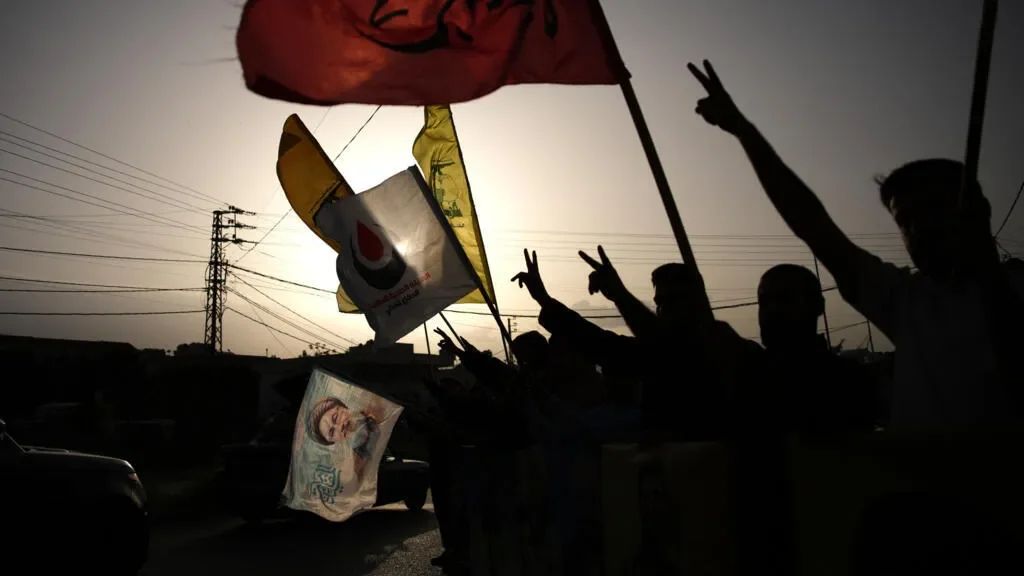
The ongoing conflict has plunged communities on both sides of the Israel-Lebanon border into a state of perpetual uncertainty. While the report focuses on Hezbollah's refusal of a truce, the immediate consequence is the amplification of hostilities, leaving civilians caught in the crossfire. The human toll is significant, with residents describing life under fire as an unsustainable reality, fueling public pressure on the Israeli government to continue military operations.
Read More: Taiwan Holds Nantou County Drills to Prepare for State Collapse
Hezbollah's Military Stance and Origins
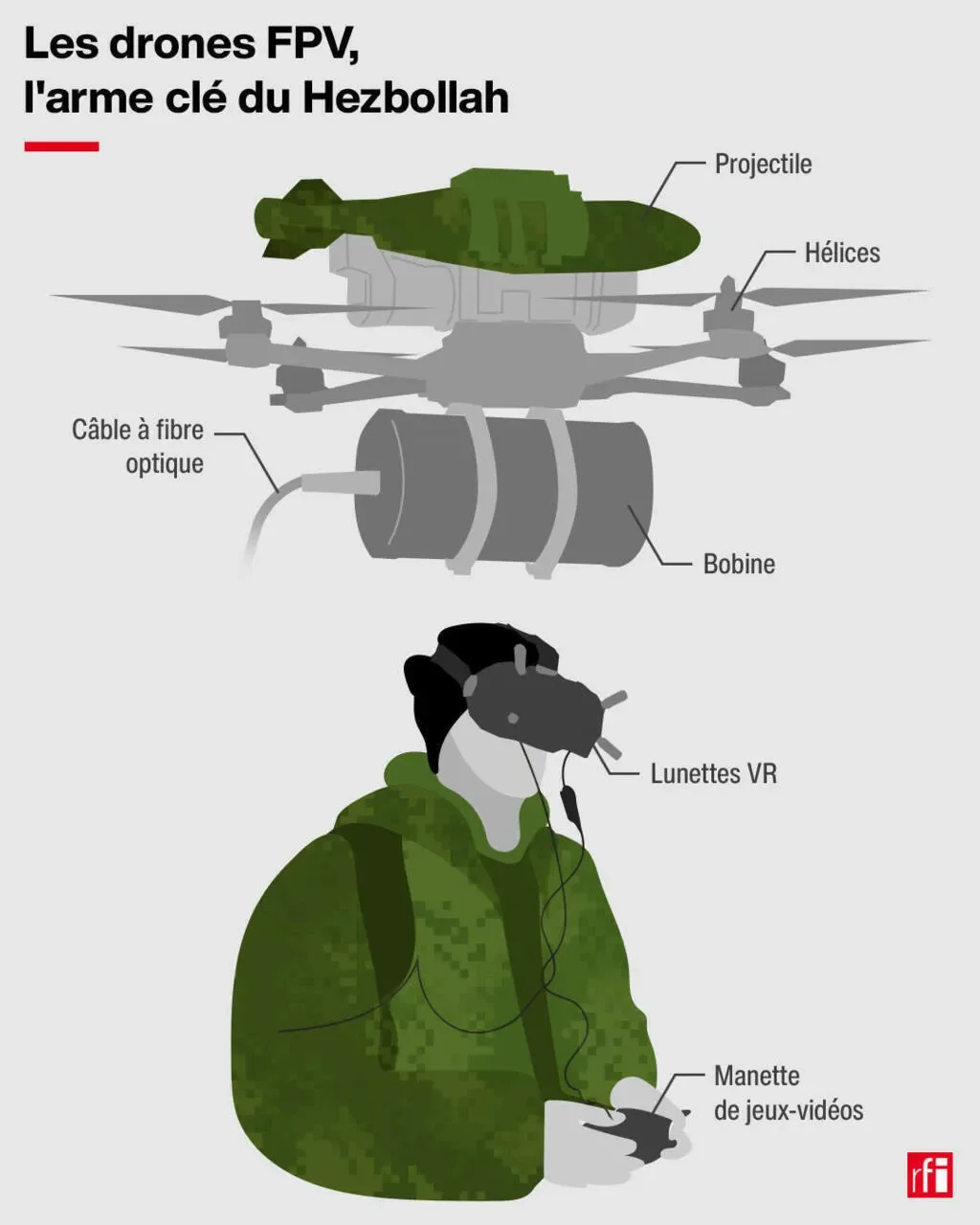
The Hezbollah movement, described as an offshoot of the Islamic Republic, has demonstrated notable military resilience. The group has effectively employed FPV drones, which have reportedly caused significant disruption to Israeli military operations in southern Lebanon. Their communication strategy, often involving the dissemination of impactful videos, aims to demoralize Israeli soldiers and civilians.
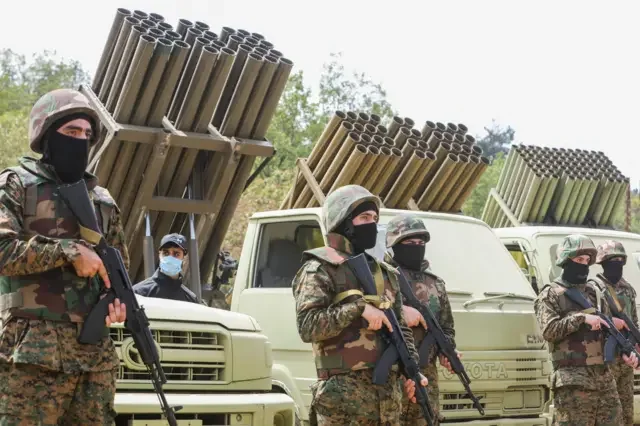
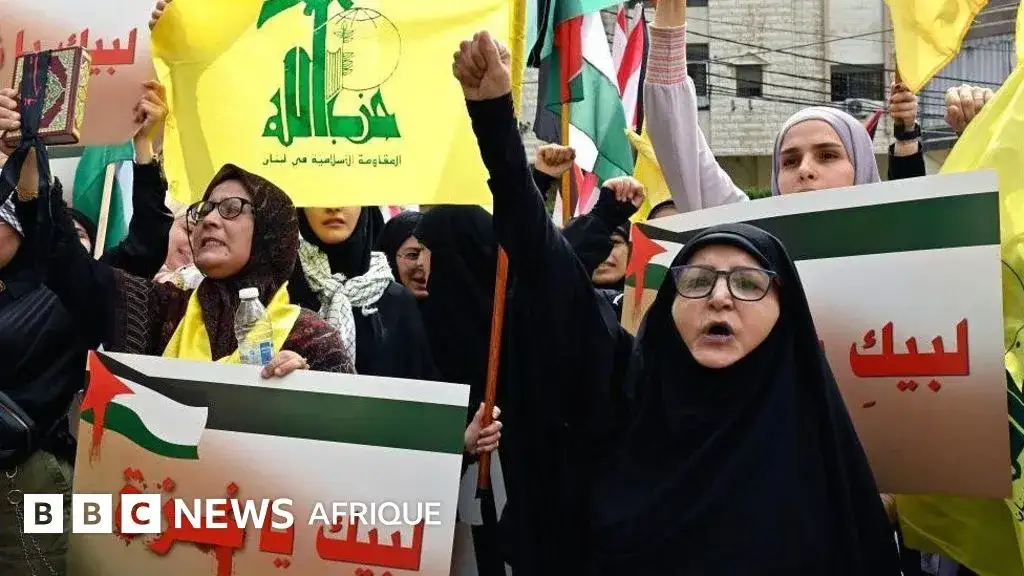
Origins and Ideology: Born from the "Khomeini revolution," Hezbollah received substantial military and organizational backing from Iran's Revolutionary Guards in the Bekaa Valley, solidifying its position as a prominent Shia militia. It is recognized as a political party representing a majority of Lebanon's Shia community.
Historical Conflict: During previous confrontations, Hezbollah fired approximately 4,000 rockets into Israel, while Israeli warplanes targeted Hezbollah strongholds in southern Lebanon and Beirut's southern suburbs.
International Reactions and Regional Dynamics
The Hezbollah movement is officially designated as a terrorist organization by several countries, including Canada, the United States, Australia, and Bahrain. This designation, however, has not deterred its operations or its complex geopolitical standing.
Iranian Alignment: Iran views the situation in Lebanon as intrinsically linked to its broader confrontation with the United States, positioning Hezbollah as a key player in this regional dynamic. The Iranian Revolutionary Guards have explicitly called for Israel's withdrawal from Lebanon.
Houthi Support: Sources close to the Houthi movement in Yemen have affirmed ongoing coordination with Hezbollah and other entities within the Iranian "axis of resistance." They have warned that any Israeli escalation would be met with a unified response from this axis, vowing not to allow Hezbollah's isolation.
Internal Lebanese Pressures and Economic Fallout
The prolonged conflict exacerbates Lebanon's severe economic crisis, described by the World Bank as the most devastating in the country's history. Two-thirds of the Lebanese population live in poverty, with some Lebanese citizens holding Hezbollah responsible for the current situation. Nicholas Blanford, an analyst, suggests that regardless of the outcome, a major conflict would inflict a severe blow on Hezbollah, with the entire country bearing the brunt of the consequences.
Read More: AFP Reviews War Crime Claims Against Australian in Gaza
The group's stance on disarmament is critical. They view it as tantamount to annihilation, a position that solidifies their refusal to limit their conflict with Israel to southern Lebanon. They have publicly stated that "disarmament means annihilation."
Despite a previous 15-month period of scrupulous ceasefire adherence, the resumption of hostilities has seen Hezbollah actively engaging in what it calls a "war of communication."
Contextual Background: The Genesis of Conflict
Hezbollah's emergence is rooted in conflict, with early objectives including the destruction of PLO infrastructure near the Israeli-Lebanese border. The organization played a role in rebuilding villages damaged by Israeli strikes and leveraged its media network – radios, newspapers, and television channels – for self-promotion. Key demands for de-escalation, articulated by the movement, include border demarcation, Israeli withdrawal from occupied southern Lebanese territories, and an end to village destruction.
Read More: FBI Analysts Review Georgia 2020 Election Data in Fulton County