HONOLULU, HI – In a twist of ecological fate, certain seabird species native to Hawaii are finding unexpected havens within Honolulu's sprawling urban landscape, a stark contrast to the dwindling populations of their counterparts facing decline due to disease and invasive predators on other islands.
The White Tern (Manu O Ku), a seabird historically reliant on island shorelines and offshore islets for nesting, has demonstrated a peculiar adaptability by successfully integrating into the built environment of Oʻahu's capital. These birds, which forage at sea and nest on land, are now being observed with increasing frequency amidst the concrete and structures of urban neighborhoods.
This phenomenon runs counter to the broader narrative of avian collapse in the Hawaiian archipelago, where many indigenous bird populations have been decimated. While traditional nesting grounds shrink under the weight of human development, some seabirds, like the White Tern, appear to be navigating these altered landscapes with a degree of resilience.
Read More: Orangutan Mothers Plan Playdates for Babies in Borneo
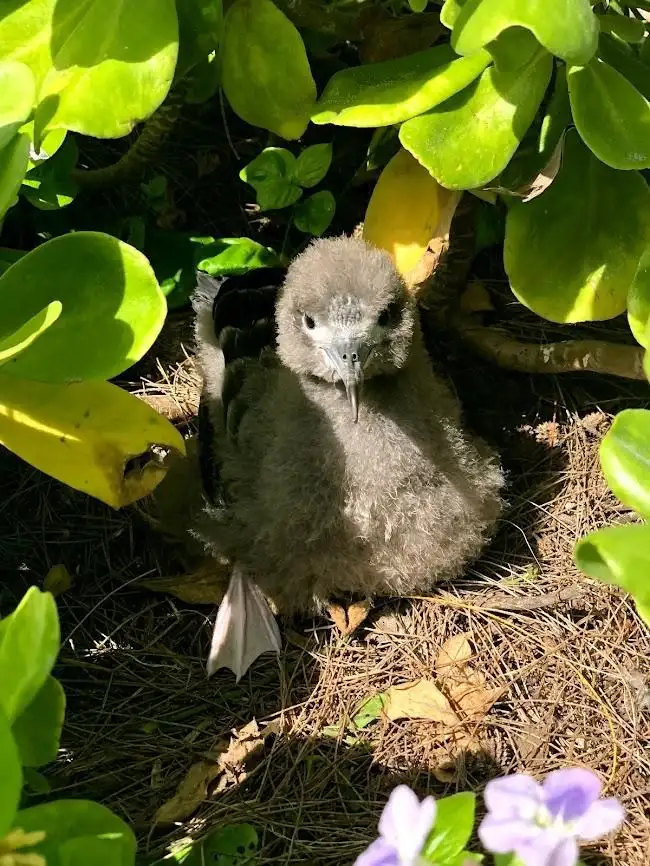
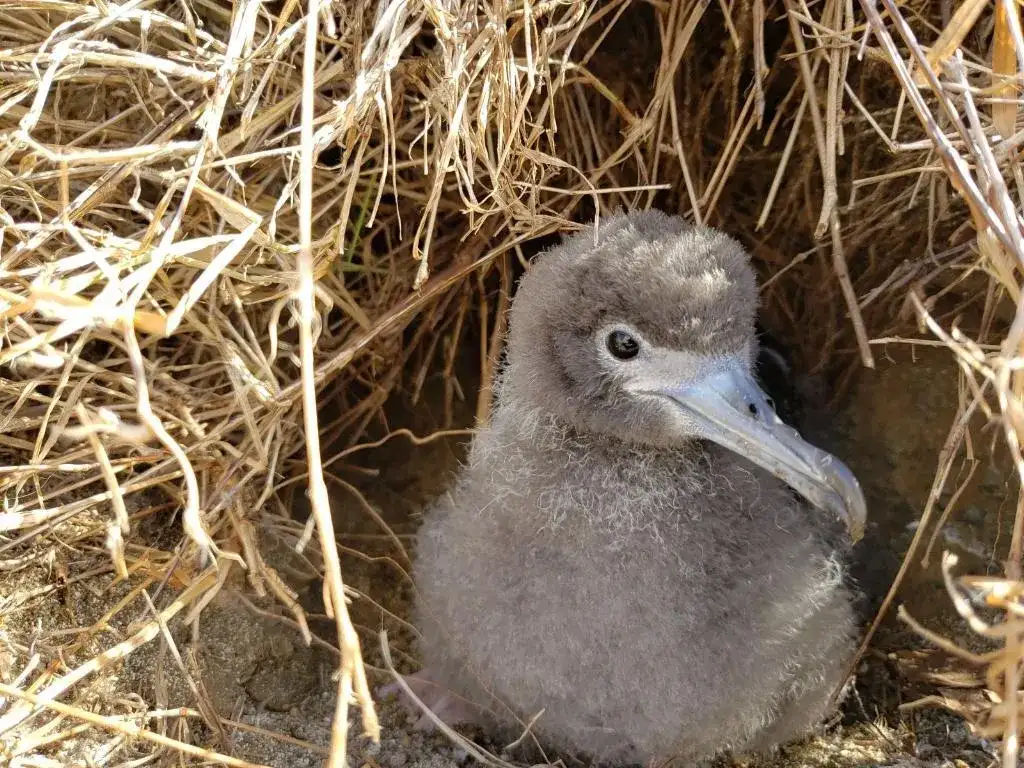
Studies on other native Hawaiian seabirds, such as the Wedge-tailed Shearwater ('Ua'ukani), have also indicated a surprising lack of difference in chick survival rates even in areas with significant human presence. This suggests that for some species, the disruption caused by development might not be an insurmountable barrier to reproduction.
Urban Adaptation and Broader Seabird Concerns
The resilience of species like the White Tern in urban settings highlights a broader, often overlooked, aspect of seabird ecology in Hawaii. For years, conservation efforts have focused on preserving traditional habitats and combating threats on more remote islands. However, the presence of endangered species like the Newell's Shearwater and Hawaiian Petrel, once thought to have abandoned Oʻahu entirely, has been confirmed more recently.
"No one thought that two of Hawaii’s most endangered seabird species still lived on Oahu, the archipelago’s most populous island."
This rediscovery underscores the complex nature of conservation, where even the most populous islands can harbor unexpected pockets of biodiversity. It also raises questions about the effectiveness of past assumptions regarding species distribution and habitat utilization.
Read More: Kash Patel Snorkel Trip at Pearl Harbor Last Summer Raises Conduct Concerns
Tracking and Understanding Seabird Populations
Researchers continue to grapple with the challenges of comprehensively mapping and understanding the populations of breeding seabirds across the main Hawaiian Islands. The U.S. Geological Survey's Western Ecological Research Center, in collaboration with various partners, is actively working to generate an 'Atlas of Breeding Seabirds of the Main Hawaiian Islands'. This initiative aims to fill critical data gaps concerning the locations and sizes of seabird colonies, essential for informed resource management.
Efforts at places like the Freeman Seabird Preserve focus on monitoring population trends, survivorship, and reproductive success. These initiatives involve techniques ranging from virtual tours and habitat renovation to using real data to graph trends across different nest types and track migration patterns.
The 'conservation' of seabirds in Hawaii remains a multifaceted challenge, encompassing not only the protection of wild spaces but also an evolving understanding of how these species navigate and persist within increasingly human-dominated environments.
Read More: Japan Adds 800 Cameras To Track Bears After 5 Deaths This Year