The United States Patent and Trademark Office (USPTO) has issued a non-final rejection of Nintendo’s patent regarding "summoning a sub-character to aid in battle." The decision impacts all 26 claims submitted by the company, characterizing the mechanics as an obvious iteration of existing logic.
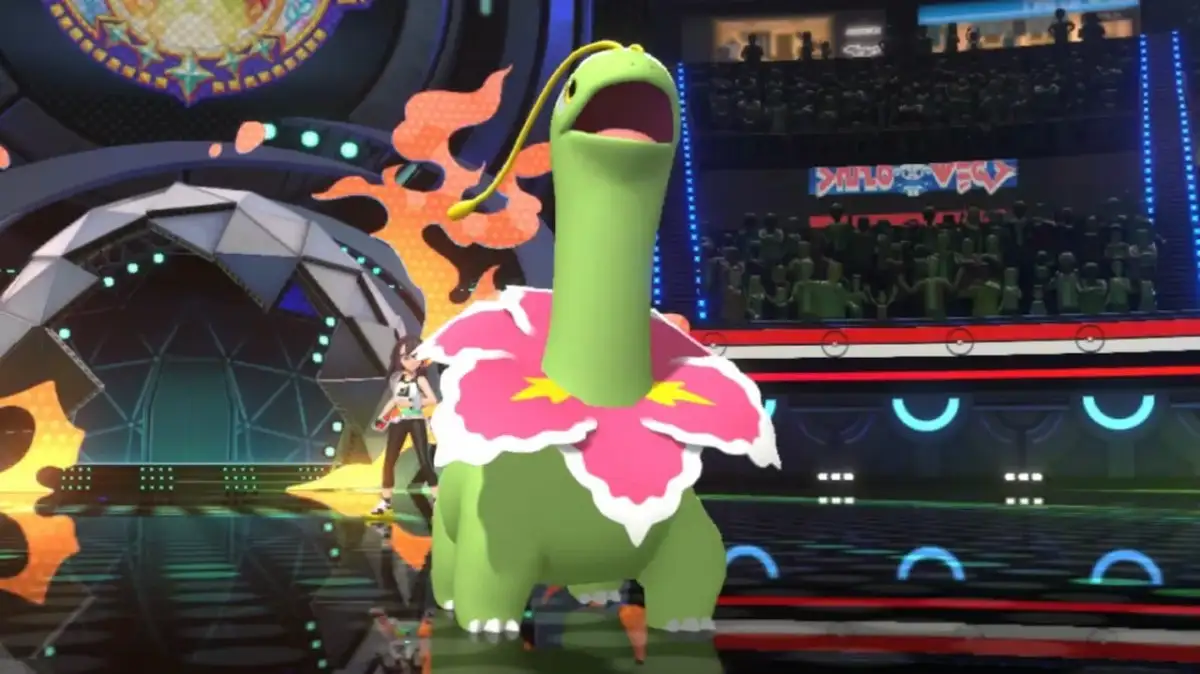
The regulatory action identifies the core "summon and battle" loop as non-novel, relying on prior documentation—specifically patents by Taura, Yabe, Shimomoto, and Motokura—to negate the technical uniqueness of the filing.
Structural Analysis of the Rejection
The rejection rests on the intersection of established prior art. By mapping Nintendo’s claims against these prior frameworks, examiners determined that the mechanism—allowing an in-game character to initiate combat via a secondary agent—lacks the inventive threshold required for protection.
| Invalidity Theory | Basis of Combination |
|---|---|
| Theory 1 | Taura + Yabe + Shimomoto |
| Theory 2 | Taura + Motokura (+ Shimomoto) |
Procedural Timeline: Nintendo holds a two-month window to contest this non-final ruling. Extensions are permitted, allowing the firm to adjust its strategy or submit arguments to preserve portions of its Intellectual Property.
Legal Context: While this specific patent is not directly tied to the ongoing Tokyo litigation against Pocketpair, the rejection reveals significant instability in Nintendo's aggressive defensive posture.
Strategic Implications
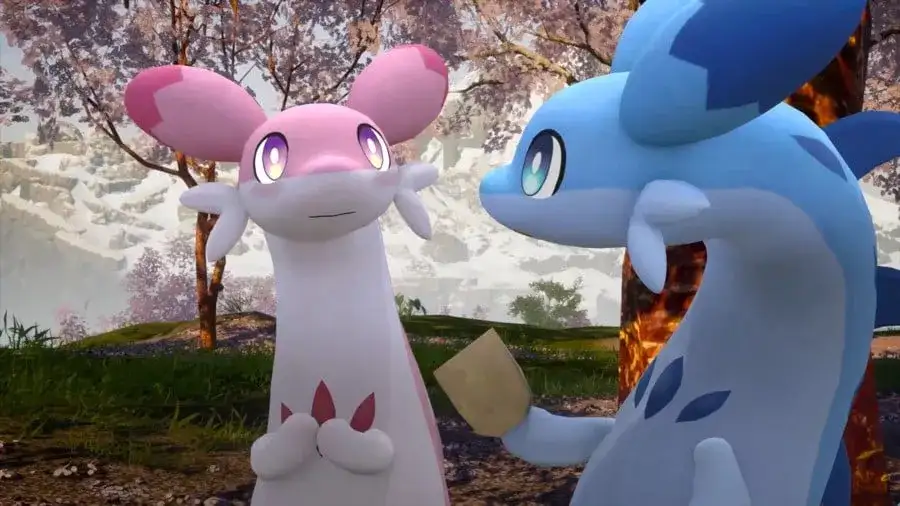
The attempt to secure this patent appears linked to the emergence of Palworld, a title whose market success catalyzed Nintendo’s pivot toward divisional patent filings. These documents were specifically tailored to address capture, release, and summoning loops. Critics and legal observers note that by seeking to codify mechanics fundamental to the Pokémon franchise, the company effectively invited the USPTO to scrutinize the definition of "invention" versus "tradition."
Read More: LG 27-inch OLED Gaming Monitor Drops to $399.99 This Weekend Only

Prior art in this instance does not consist of existing software, but of earlier administrative filings. This highlights a disconnect between corporate desire to enforce proprietary loops and the rigid requirements of patent law. If Nintendo fails to provide a robust response, the permanent revocation of these claims would erode the legal infrastructure currently supporting their claims of infringement.
The result leaves a hollow space in the company's litigation playbook, forcing a retreat from broad assertions of control over mechanical archetypes.
Read More: NFL Won't Discipline Chiefs' Rice for Assault Claims While Lawsuit Continues