Hawaii is once again confronting significant rainfall and the attendant risk of flash flooding, a mere two weeks after experiencing its most severe inundations in two decades. This latest deluge arrives as the state grapples with the aftermath of recent devastating storms, with saturated ground amplifying concerns about landslides, road closures, and property damage.
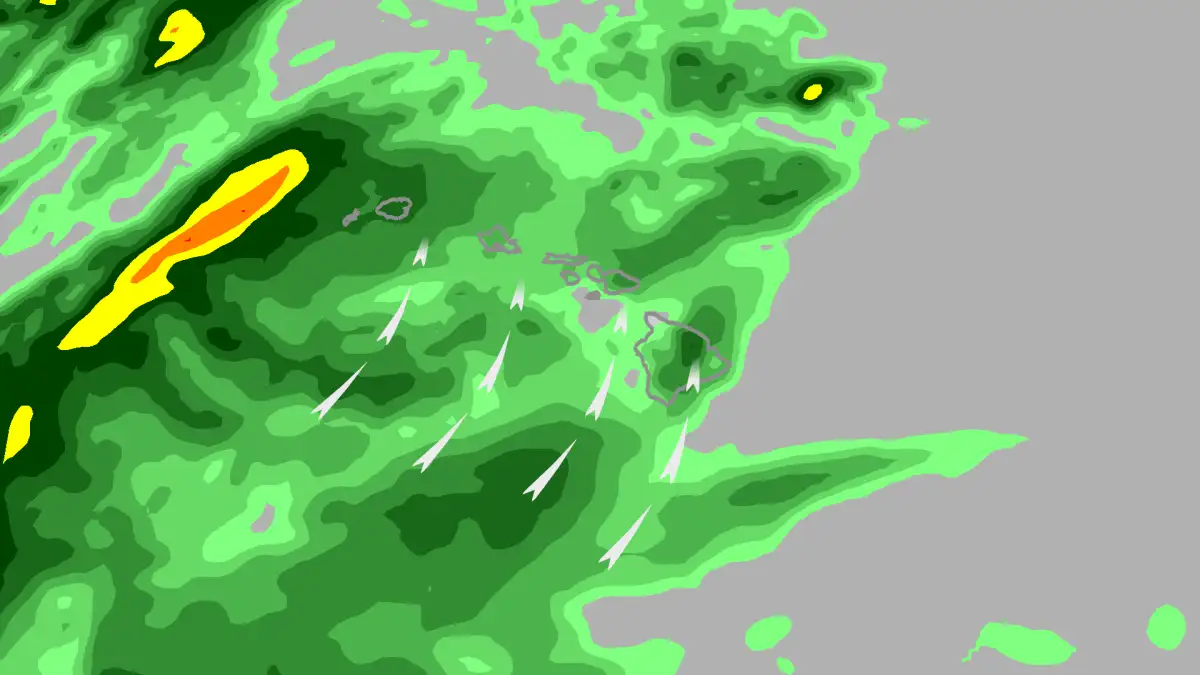
A potent, multi-day 'Kona storm' is currently drenching the islands, marking the third such event since mid-March. The current storm system, forecast to deliver its heaviest downpours Thursday and Friday, brings with it statewide 'flood watches' that underscore the favorable atmospheric conditions for overflowing waterways. These watches, however, do not guarantee flooding but signal a heightened possibility.
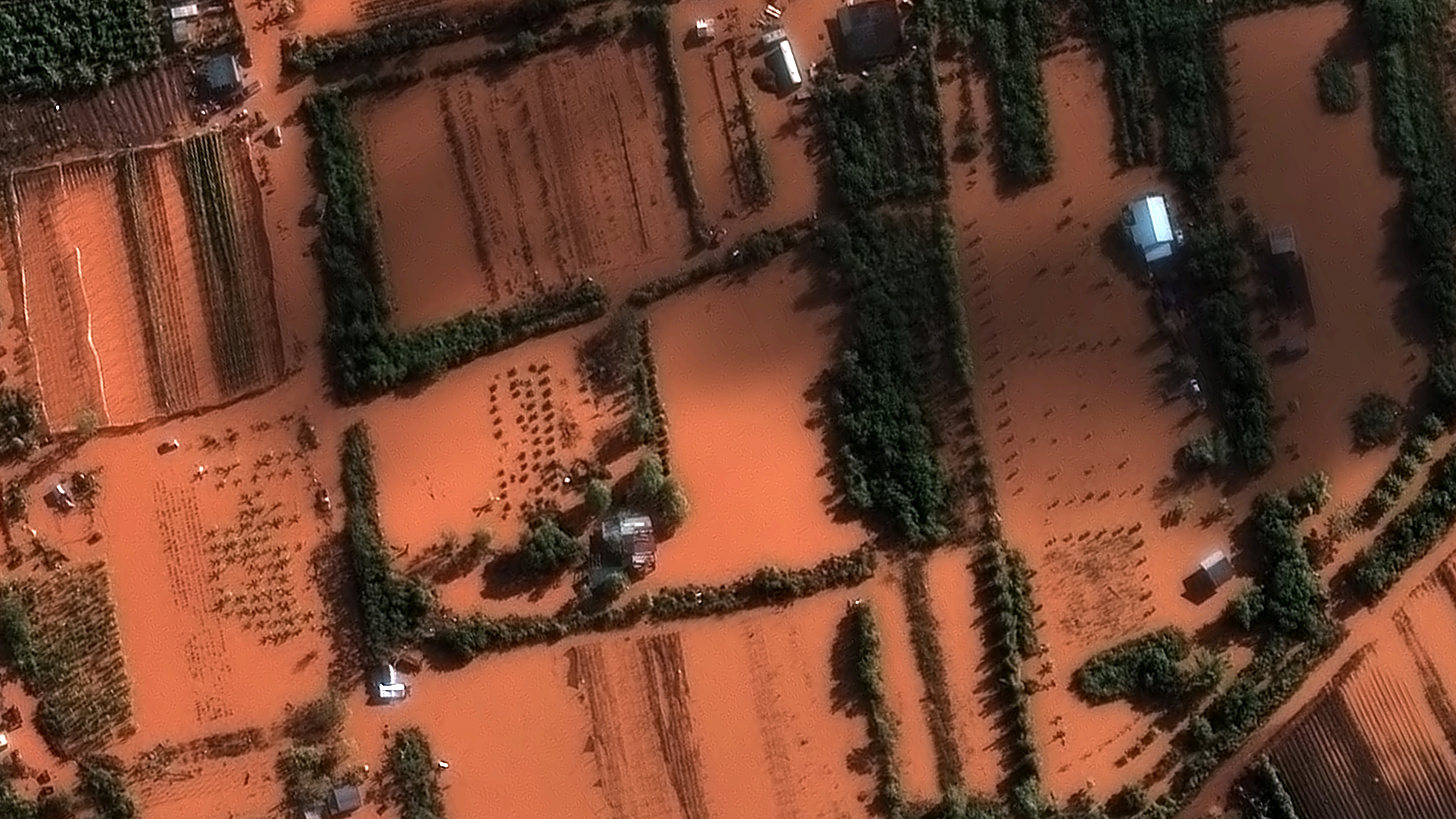
Recent storms have already left their mark. Parts of Maui experienced serious flooding and wind damage from an earlier storm in mid-March. On Oahu, one location recorded an astonishing 25 inches of rain during the second March Kona storm, with a substantial portion of that falling within a single 24-hour period. This intense rainfall not only overwhelmed drainage systems but also led to evacuations and an estimated $2 billion in damages across the islands, impacting roads and prompting concerns about a major dam.
Read More: Rain May Stop Katherine Legge's 1100-Mile Race Goal This Weekend

The current weather pattern is characterized by a developing low-pressure system situated northwest of Hawaii, which is drawing in substantial tropical moisture. This influx is expected to produce sustained, heavy rainfall, particularly in higher elevations where accumulations could exceed a foot. Forecasters emphasize that even moderate rainfall rates can trigger significant flooding when the ground is already saturated and unable to absorb additional water.

This recurring cycle of intense rainfall and flooding highlights a persistent vulnerability for the island chain. The pattern of back-to-back Kona low storms has already resulted in record-breaking rainfall for March in some areas, contributing to widespread damage and what has been described as life-threatening conditions. Residents are urged to prepare for a wet and potentially hazardous week as the islands navigate this renewed period of extreme weather.
Read More: Kash Patel Snorkel Trip at Pearl Harbor Last Summer Raises Conduct Concerns