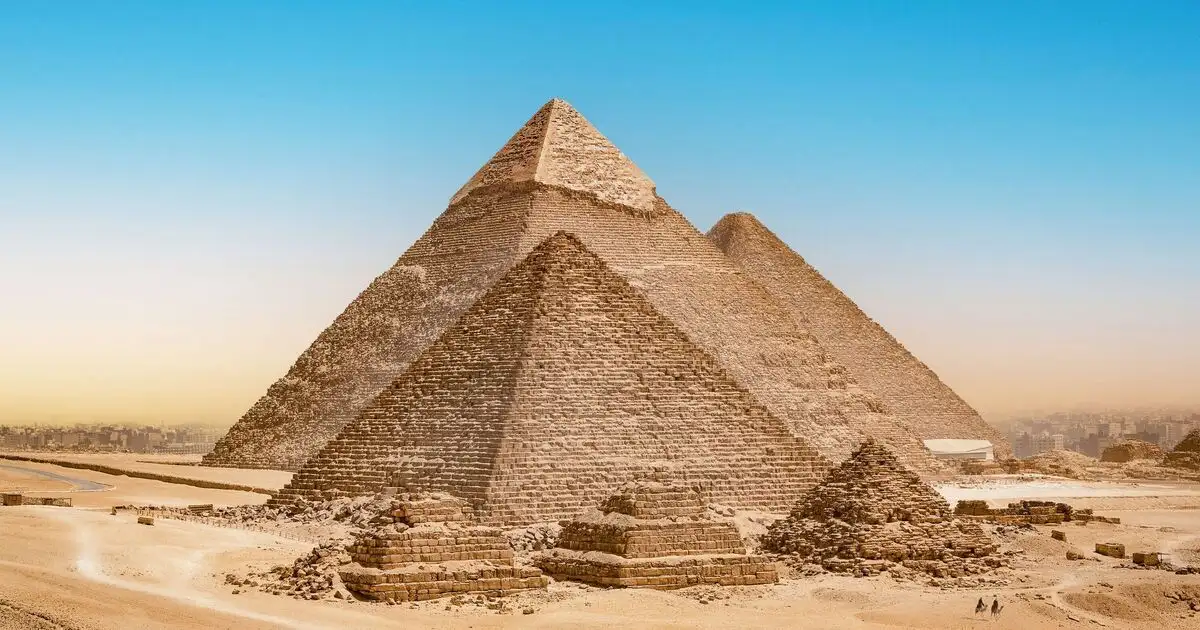
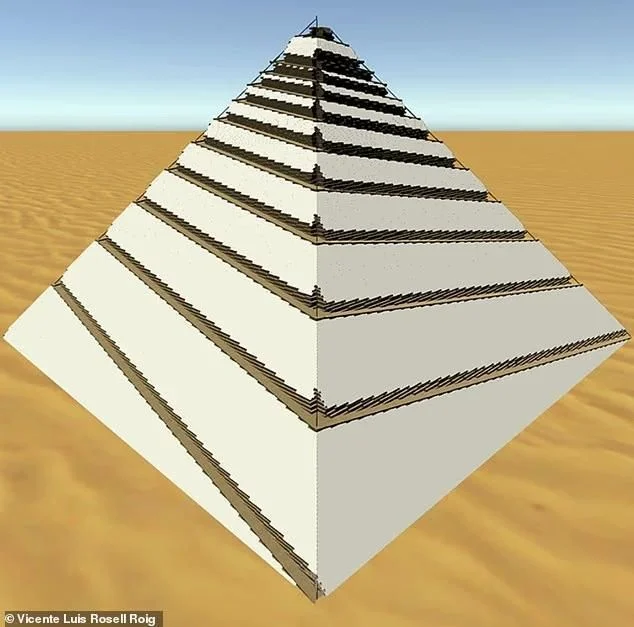
Recent findings propose that the Great Pyramid of Giza may have been constructed using an internal spiral ramp system, a departure from theories relying solely on massive external structures. This proposed ramp, described as an 'IER ramp', would have been built into the pyramid's outer shell, allowing for the movement of stone blocks at frequent intervals. The concept has reportedly been tested against existing physical observations within the pyramid.

Other recent examinations have suggested the employment of a network of natural waterways to transport construction materials. This hypothesis emphasizes the role of water alongside manual labor in the pyramid's development. Furthermore, there's renewed attention on ancient inscriptions discovered above the King's Chamber. These markings, including the names of work teams, reportedly support earlier documents detailing stone deliveries and suggest a more organized labor system than previously assumed.
Read More: 5,900-Year-Old Child Skull Found in Norway Cave

The prevailing narrative surrounding the construction of Egypt's Great Pyramid, a structure over 4,500 years old, has long been steeped in mystery. While numerous theories have been advanced over centuries, recent investigations point towards more sophisticated and perhaps less brute-force methods than commonly envisioned.

The Shifting Sands of Construction Theories
For decades, the question of how the colossal stone blocks of the Great Pyramid were assembled has puzzled researchers. Some new models propose that construction may have originated from an internal core, with hidden pulley systems used to hoist stones as the structure grew. This suggests a method of building "from the inside out."
| Theory Type | Proposed Mechanism | Supporting Evidence Mentioned |
|---|---|---|
| Internal Spiral Ramp | Gradual path built into the outer structure. | Tested against physical observations inside. |
| Waterways | Network of natural waterways for material transport. | "Adds weight to the idea that water…powered the project." |
| Inscriptions & Labor | Names of work teams, shift details on stones. | Supports Wadi el-Jarf documents on stone deliveries. |
| Internal Counterweights/Pulleys | Hidden mechanisms for lifting stones. | Study proposes construction from the inside out. |
Beyond the Slave Narrative
Recent discoveries have also challenged long-held notions about who built the pyramids. Findings, including a worker's city near Giza complete with barracks and bakeries, offer insight into the lives of those involved. The presence of ancient inscriptions, such as red-painted markings identifying work teams, suggests a skilled, paid labor force operating within a highly organized system. This contrasts sharply with older theories that posited the pyramids were built by enslaved populations, pointing instead to sophisticated project management and dedicated artisans.
Read More: St. Augustine's ideas on justice help explain US politics