Berlin-based artist Alida Sun has turned the ethereal act of coding into a concrete artistic pursuit. Her work, recently showcased in an exhibition in Delhi, transcends the screen, manifesting as physical tapestries that embody computational processes. This transformation of code into textile is not merely aesthetic; it represents a deliberate engagement with the physicality of creation, a concept Sun has cultivated through a dedicated, daily coding practice sustained for over 2,300 consecutive days.
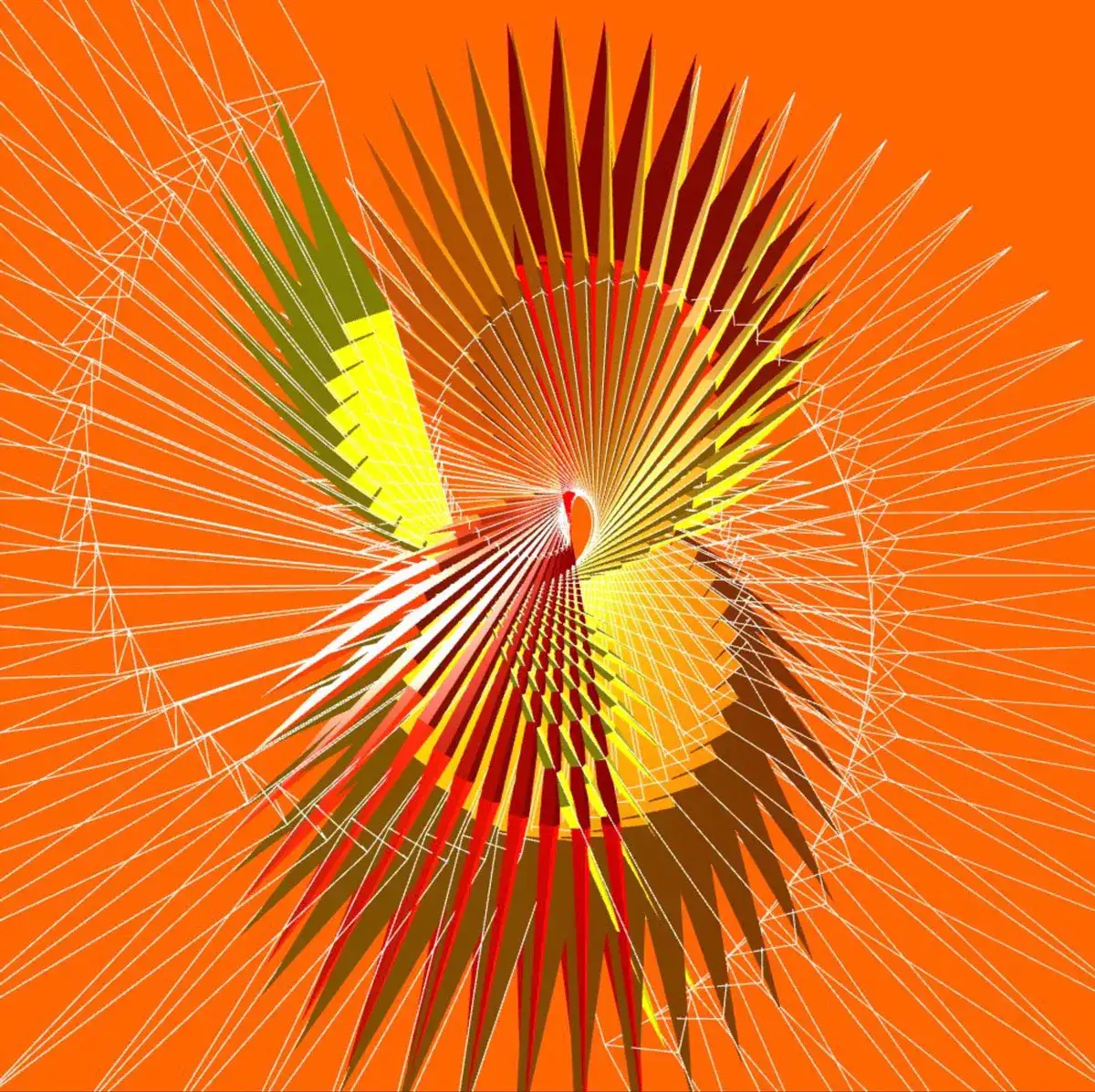
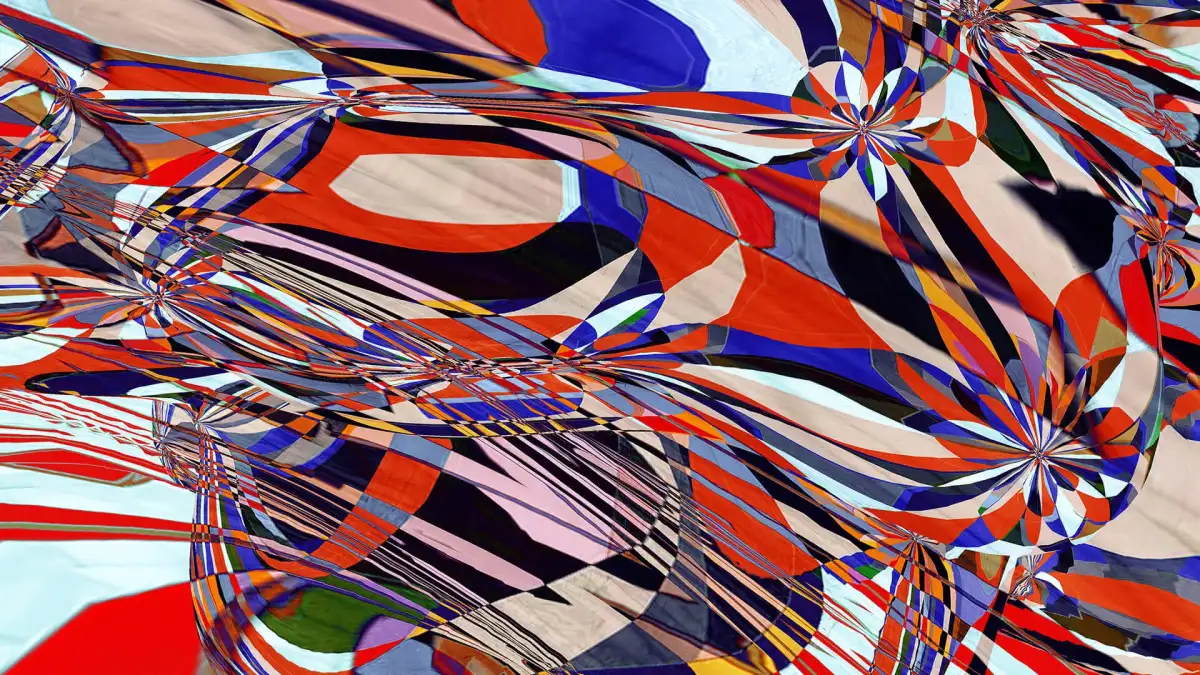
Sun's approach questions the typical segregation of digital art from traditional mediums. Her choice to develop her own systems, particularly when financial barriers prevented access to conventional software early in her career, underscores a commitment to self-sufficiency and a subversion of established norms. This move toward tangible outputs, specifically tapestries created in collaboration with women artisans at SSMI, allows her to explore the inherent connections between coding and traditional craft, like textiles. The works are not illustrations of technology but are rather direct embodiments of it, with each piece generated through Sun's spatial movements and informed by a lineage that reclaims technology as a domain of "care, authorship, and agency."
Read More: Banana Art Stolen From French Museum, Replaced Quickly
Weaving the Digital Thread
The exhibition, titled "RITES," highlights the ritualistic aspect of Sun's long-term daily coding. This repetition, far from being monotonous, is framed as a deliberate act of "refusal," a form of resistance against technology perceived as solely a tool of control or militarization. Sun's work seeks to position computational heritage as a space of intimacy and collective imagination, particularly through her collaborations.
Sun's broader artistic practice spans installations, sound, architecture, choreography, drawing, and light. Her creations, often described as generative art, are exhibited internationally, with notable appearances at the Venice Biennale Decentralized Pavilion and Ars Electronica. Her commitment to open-source frameworks is also framed as a benefit to the traditional art world, particularly in terms of preservation and archiving, ensuring that digital art can be sustained for future generations.
Read More: Chrome mimeHandler API lets extensions handle file types
Genesis of a Practice
Alida Sun, who identifies as an artist and "intersectional futurist," works between Berlin and New York. Her engagement with code as a creative medium dates back at least to 2019, when her work with programming and projection mapping was noted. Her ongoing daily coding endeavor, surpassing 1,500 days and continuing, is a cornerstone of her artistic output, producing a vast body of generative artwork. This sustained practice also informs her exploration of assemblage, extended realities, and experimental humanities. Her projects have appeared on platforms such as Art Blocks, Vellum LA, and The Generative Art Museum, marking her presence within the digital art landscape.