Google CEO Sundar Pichai has publicly defended the company's significant spending on artificial intelligence (AI). He frames these investments as vital for long-term growth and economic development, comparing them to historical infrastructure projects. However, his statements come as some observers express concerns about a potential "AI bubble," with fears that excessive investment might lead to market instability. Pichai himself has acknowledged that there are "elements of irrationality" and "excess investment" within the broader AI market.
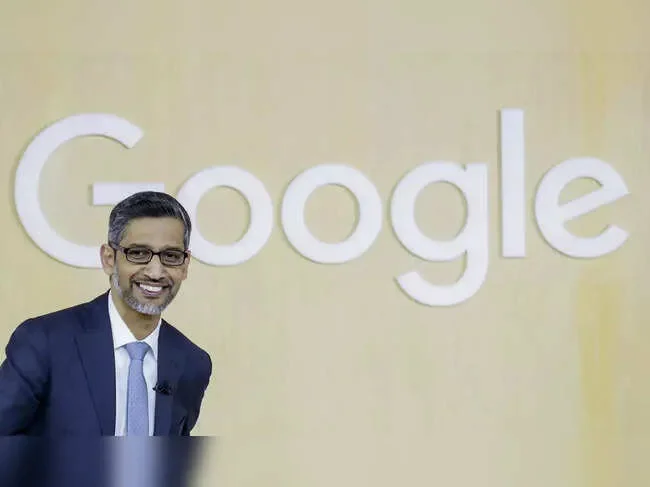
The central tension lies between Google's commitment to substantial AI expenditure, viewed by Pichai as a foundational necessity, and broader market anxieties regarding overvaluation and unsustainable investment in the AI sector. Pichai's defense strategy emphasizes AI's transformative potential, drawing historical parallels to industrial revolutions and major infrastructure builds like railroads and highways. This perspective aims to reassure stakeholders and justify the ongoing financial commitment.
Read More: Linux users struggle to get older AMD GPUs working with new drivers
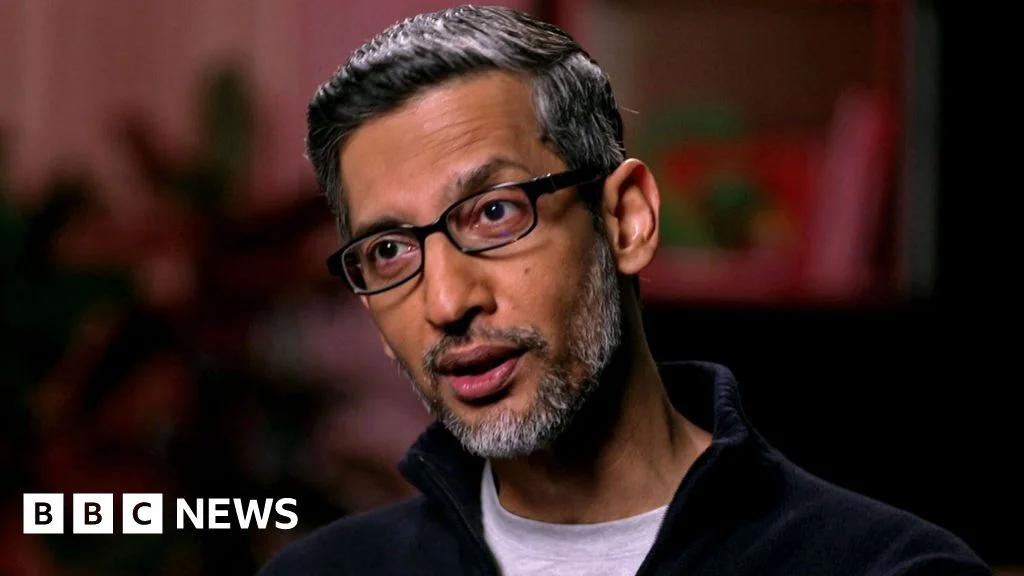
A Period of Intense AI Investment
The technology industry is currently experiencing a surge in AI development and investment. Companies are pouring billions into research, talent, and infrastructure to advance AI capabilities. This widespread activity has led to rapidly increasing valuations for AI-focused companies.

Key Events:
India AI Impact Summit: Pichai made significant statements at this event, defending AI investments.
Interviews with BBC and other media: Pichai has used various platforms to address concerns and explain Google's strategy.
Soaring Alphabet Valuations: Google's parent company, Alphabet, has seen its market capitalization grow substantially, partly driven by AI optimism.
Defending the Investment Strategy
Pichai's defense centers on viewing AI not just as a product, but as fundamental infrastructure. He likens the current AI build-out to historical investments that reshaped economies and enabled future growth.
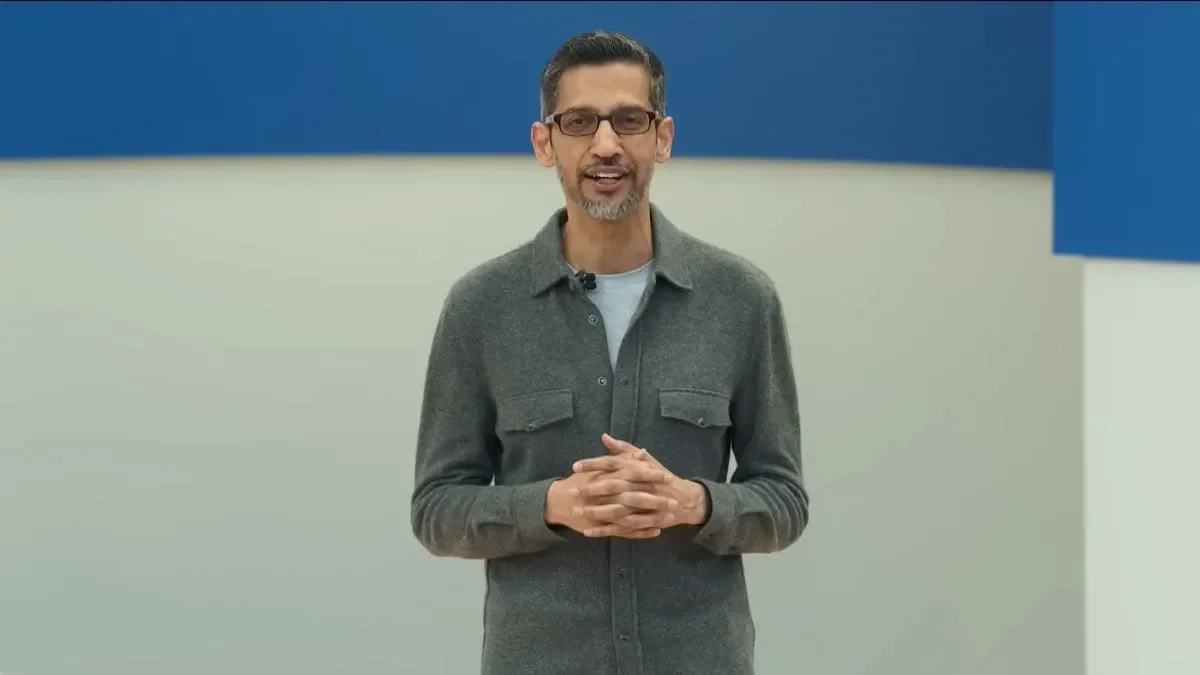
"We are in a transformational moment… if you take the industrial revolution, it took decades, this is happening much, much faster." - Sundar Pichai (as reported by devdiscourse)
Core Argument: AI represents a new foundational layer, akin to electricity or the internet, that will drive innovation across all sectors.
Historical Parallels: Pichai has repeatedly drawn comparisons to:
The expansion of railroads in the United States.
The development of the National Highway System.
Long-Term Value: These historical investments, though costly at the time, eventually unlocked significant economic value and growth. Pichai suggests AI investments should be viewed through a similar lens.
Internal Benefits: Pichai highlighted how AI is enhancing existing Google products like Search and YouTube, and enabling new ventures like Waymo and Isomorphic Labs.
Acknowledging Market Overheating
Despite his strong defense of Google's own strategy, Pichai has also voiced concerns about the broader AI investment landscape.
"I think no company is going to be immune, including us." - Sundar Pichai (referring to the potential impact of an AI bubble bursting, as reported by Gadgets360)
"Elements of Irrationality": Pichai has stated that the current trillion-dollar AI investment boom contains elements of irrationality.
"Excess Investment": He acknowledged that there has been significant overinvestment in the AI sector, a sentiment echoed by others in the industry.
Comparison to the Dot-Com Bubble: Pichai has drawn parallels to the late 1990s internet boom, which saw valuations surge before a significant market correction.
Potential Impact: He warned that if an AI bubble were to burst, nearly every company, including Google, would be affected.
Different Perspectives on the AI Market
The discussion around AI investment is multifaceted, with various viewpoints emerging.
| Viewpoint | Key Argument | Source/Proponent |
|---|---|---|
| Foundational Necessity | AI is essential infrastructure for future growth and economic transformation. | Sundar Pichai (Google CEO) |
| "Irrationality" / Bubble | There is excessive and potentially unsustainable investment in the AI sector. | Sundar Pichai, Sam Altman (OpenAI CEO, reported), Ed Zitron (AI critic) |
| Investor Excitement | Investors are overly enthusiastic about AI models, leading to inflated expectations. | Sam Altman (OpenAI CEO, reported) |
Critic's View: Industry critic Ed Zitron suggested Pichai's comments were an attempt to align with historical narratives to justify current spending, arguing there isn't a strong defense for the "excess investment" in AI.
Expert Insights and Broader Implications
The statements from Pichai and others reflect a significant moment of scrutiny for the AI industry.
Energy Demands: Pichai also highlighted the substantial energy requirements for AI, stressing the need for new energy sources and infrastructure.
AI Accuracy: Pichai has also cautioned against blindly trusting AI chatbots, acknowledging their potential for errors and "hallucinations."
Industry-Wide Impact: The "AI bubble" concern suggests that the sector's health is interconnected, and a downturn could have widespread consequences.
Conclusion
Google CEO Sundar Pichai is actively defending the company's large-scale investments in AI by framing them as essential, long-term infrastructure critical for economic progress, drawing historical parallels to periods of significant technological expansion. He simultaneously acknowledges that the broader AI market is experiencing "irrationality" and "excess investment," comparable to the dot-com era, and that no company is immune to a potential market correction. This dual message seeks to justify Google's strategic direction while also managing expectations and acknowledging wider industry risks. The ongoing debate highlights the speculative nature of current AI valuations and the inherent uncertainties as the technology continues to evolve and integrate into the global economy.
Read More: Elon Musk's Terafab to Make Chips for Tesla and SpaceX by 2025
Sources Used:
Devdiscourse: Published 12 hours ago. Article discusses Pichai defending AI spending, comparing it to historical infrastructure, and mentioning Google's readiness and investments.🔗 https://www.devdiscourse.com/article/technology/3809791-sundar-pichai-defends-ai-spending-amid-bubble-fears
The Economic Times: Published 12 hours ago. Article focuses on Pichai defending AI spends as a foundation for long-term value and growth, using railroad and highway analogies.🔗 https://economictimes.indiatimes.com/tech/artificial-intelligence/google-ceo-defends-massive-ai-spends-as-essential-foundation-for-long-term-value-growth/articleshow/128516659.cms
BBC News: Published Nov 18, 2025. Article reports Pichai warning of "elements of irrationality" in the AI investment boom and stating no company would be immune if the bubble burst.🔗 https://www.bbc.com/news/articles/cwy7vrd8k4eo
Siasat.com: Published 12 hours ago. Article reiterates Pichai's defense of AI spending as an economic foundation and a "transformational moment" 10 times faster than the industrial revolution.🔗 https://www.siasat.com/sundar-pichai-backs-ai-spending-calls-it-economic-foundation-3363348/
Ars Technica: Published Nov 18, 2025. Article details Pichai's warning about "irrationality" in AI investment, drawing parallels to the late 1990s Internet boom, and includes commentary from AI critic Ed Zitron.🔗 https://arstechnica.com/ai/2025/11/googles-sundar-pichai-warns-of-irrationality-in-trillion-dollar-ai-investment-boom/
Gadgets360: Published Nov 19, 2025. Article covers Pichai's warning that "No Company Is Immune" to an AI bubble burst and also touches on not trusting AI blindly.🔗 https://www.gadgets360.com/ai/news/google-ceo-sundar-pichai-ai-bubble-burst-no-company-is-immune-report-9663615