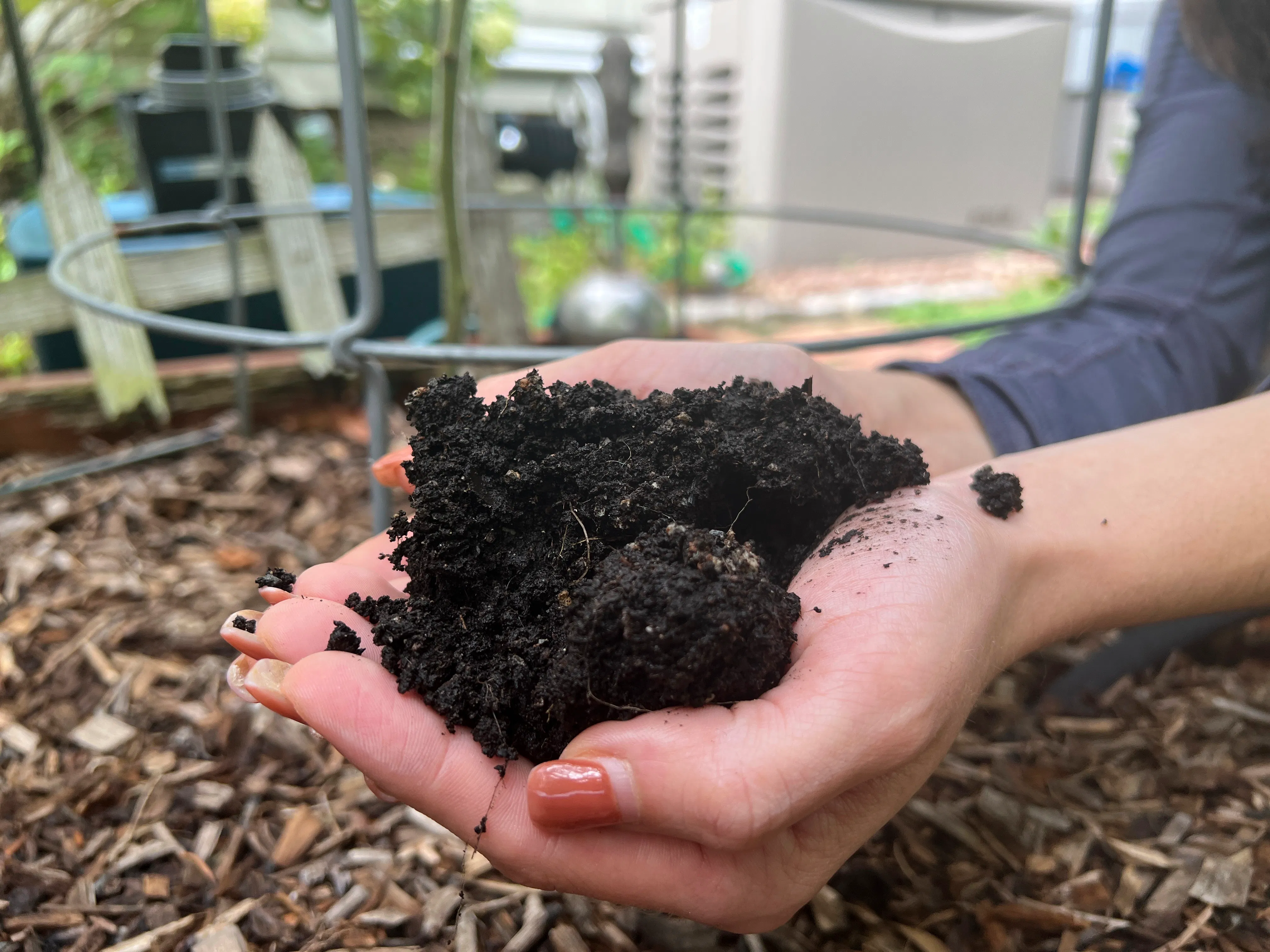
Recent reports underscore gardening as a complex activity that engages the mind and body, potentially bolstering mental sharpness and overall well-being. Far from a passive pastime, the act of tending to plants is increasingly presented as a practical method for cultivating cognitive health across different age groups. This connection is being drawn through observations that gardening involves a variety of tasks demanding attention and problem-solving, thereby offering continuous mental stimulation.
Brain Engagement Through Complex Tasks
Gardening's multifaceted nature is highlighted as a key driver of its cognitive advantages. The activity challenges the brain by introducing new information and requiring consistent engagement. Experts suggest that activities like weeding, planting, and planning garden layouts demand a level of focus that contrasts with more passive engagements, such as prolonged screen time. This inherent complexity provides a direct avenue for mental exercise.
Read More: Learning difficulty diagnosis differs by school and gender for UK children

Beyond the Soil: Stress Reduction and Routine
Beyond direct cognitive stimulation, the practice of gardening is also linked to significant stress reduction and the establishment of beneficial routines. Engaging with nature through gardening can alleviate anxiety and foster a sense of tranquility. Furthermore, the regular care required for plants, such as daily checks or watering schedules, builds structure into one's life, which is noted as being conducive to brain health.
A Social and Sensory Experience
The benefits extend to social interaction and sensory engagement. Gardening can transform into a communal activity when pursued in shared plots or garden clubs, fostering connections and a sense of belonging. Cultivating a garden, particularly one with herbs, can also stimulate the senses. The creation of a garden, such as a butterfly garden, can also offer a tangible way to contribute positively to the environment, enhancing personal well-being through this connection.
Read More: Lorna Luxe shows new home with tribute to late husband John Andrews

Broader Health Implications
The mental uplift provided by gardening is not seen in isolation. Manageable cardiometabolic health—including blood pressure, cholesterol, and blood sugar—is crucial, as imbalances can harm brain blood vessels over time. While gardening may not directly treat these conditions, its role in promoting physical activity and reducing stress could indirectly support these broader health metrics. Some studies note that participants in gardening programs showed an increase in weekly physical activity compared to non-gardeners.
Accessibility and Personalization
The practice of gardening is presented as adaptable to various circumstances. Individuals do not need extensive land to begin gardening. Choices about what to grow can be tailored based on available time, living situation, and financial investment, making the activity accessible. This flexibility allows for a personalized approach to reaping its potential mental and physical rewards.
Read More: Palestinian Child Gets UK Treatment After Gaza Attack Injury