Global markets saw a significant uplift on Wednesday as the United States and Iran announced a conditional, two-week ceasefire. The development has led to a sharp decline in oil prices and a substantial rally in stock markets worldwide, including major indexes in New York, London, Paris, Frankfurt, Tokyo, Hong Kong, and Shanghai.

The immediate impact has been a plummeting of oil prices, with Brent crude dropping significantly and West Texas Intermediate also seeing steep declines. Simultaneously, stock markets experienced a robust rebound, with the Dow Jones Industrial Average, S&P 500, and Nasdaq Composite all posting considerable gains. This relief rally is directly linked to the prospect of the reopening of the Strait of Hormuz, a critical shipping lane, which had been a focal point of the recent conflict.

Negotiations for a more permanent agreement are slated to begin in Islamabad on Friday. However, uncertainties linger. While markets have reacted positively, analysts caution that this move might be a temporary "positioning reset" rather than a definitive shift towards sustained stability. The ability of oil tankers to transit the Strait of Hormuz freely and the duration of the ceasefire remain key factors that will shape future market movements.
Read More: Iran Ceasefire Announced After Leaked Panic Messages and Protests
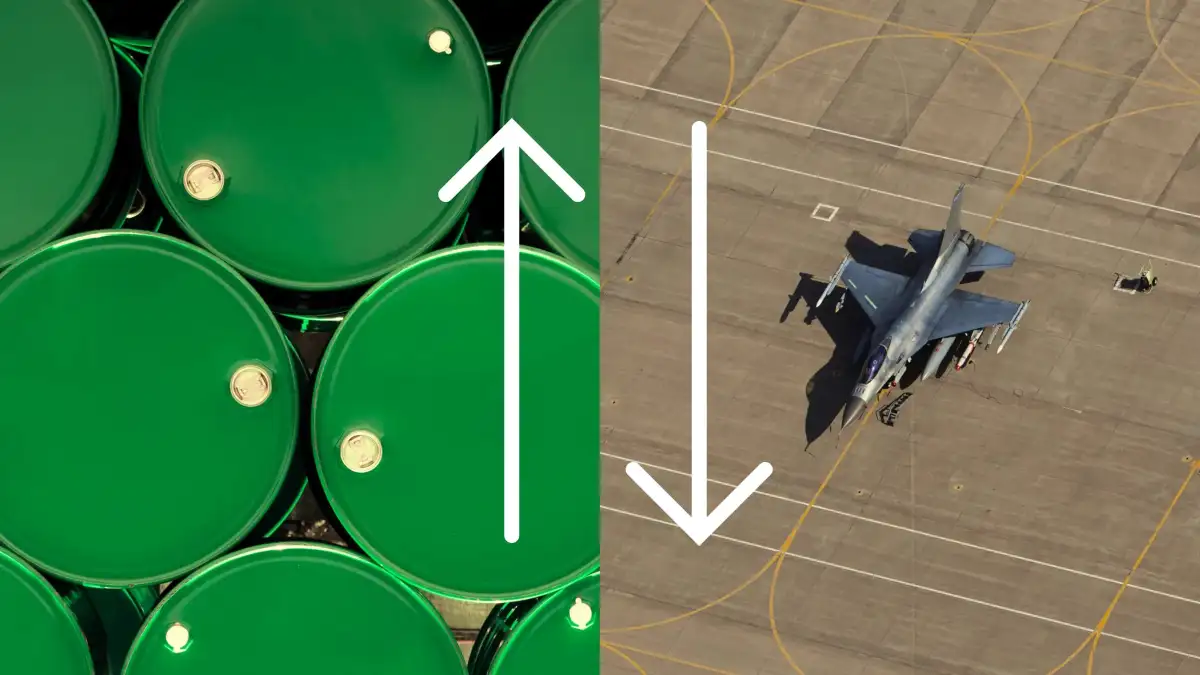
Ceasefire Terms and Market Reaction
The conditional ceasefire, announced by US President Donald Trump, hinges on Iran agreeing to a "complete, immediate, and safe opening of the Strait of Hormuz." Iran's national security council has reportedly accepted this two-week truce, contingent on the halt of attacks against it.
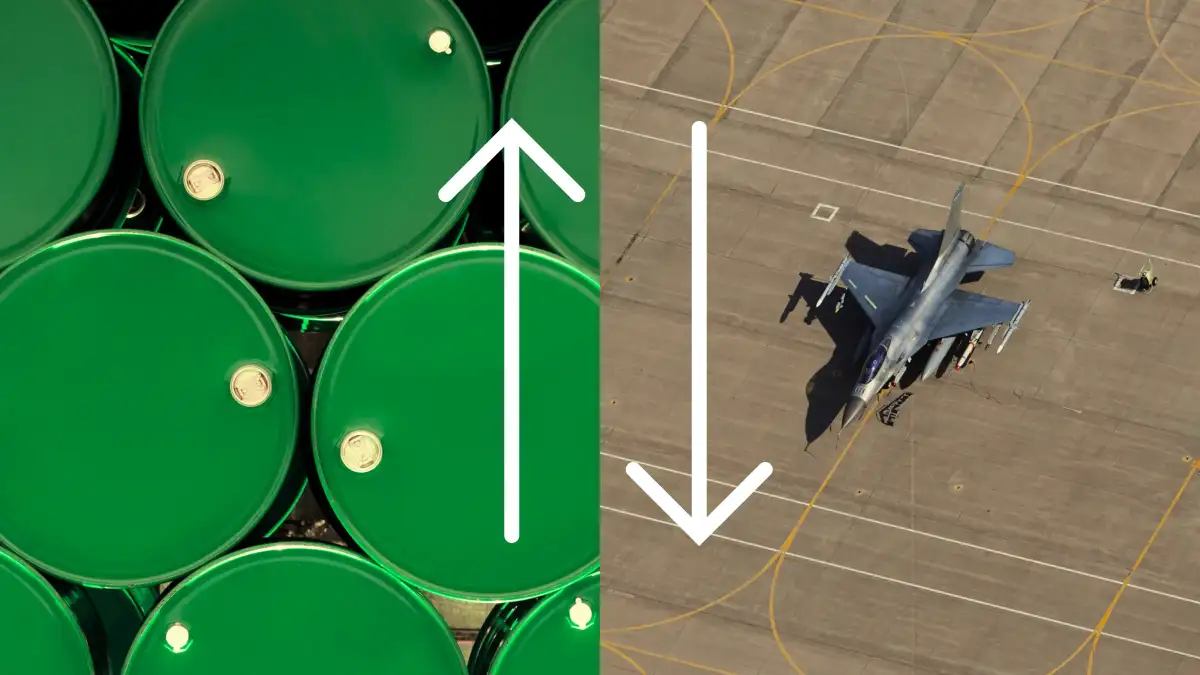
The markets' response underscores their sensitivity to energy price volatility and geopolitical tensions. Countries heavily reliant on Middle Eastern oil and liquefied natural gas, particularly in Asia and Europe, have seen their benchmarks climb. The news also impacted other commodities, with natural gas, wholesale gasoline, and heating oil prices trading lower.
Background to the Conflict
The recent conflict, which began on February 28th, saw Iran targeting energy and industrial infrastructure in the region in response to US-Israeli strikes. This escalation led to a significant surge in energy prices in mid-March, particularly after strikes on Qatar's Ras Laffan industrial hub. The market has experienced considerable volatility, swinging between optimism and panic as news of potential de-escalation or escalation emerged.
Read More: Ceasefire with Iran Announced, Stock Markets Rise
The agreement marks a significant turn after a period of heightened rhetoric, including threats of wider destruction. Investors have been closely monitoring headlines, seeking signs of a de-escalation in the ongoing conflict that has rattled global markets for weeks.