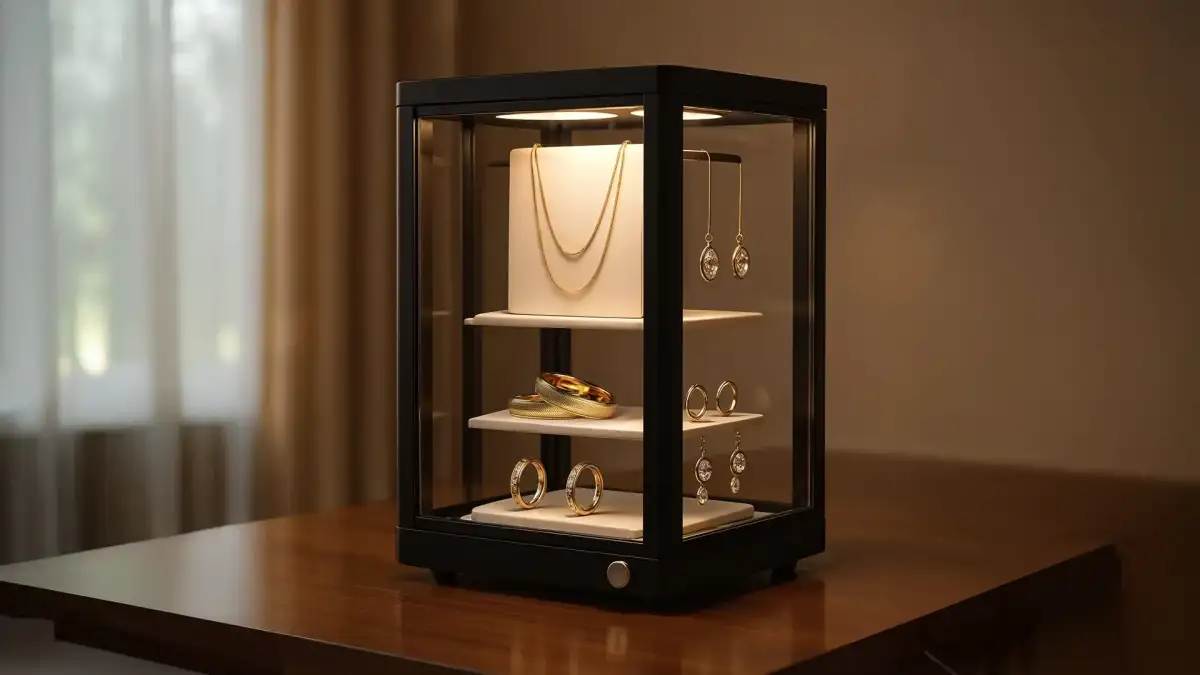
THE REAL VALUE OF ADORNMENTS ISN'T JUST THE PRICE TAG; IT'S IN THE PRESERVATION OF THAT SPARKLE AND, LET'S FACE IT, THE INVESTMENT. AS GOLD AND SILVER PRICES WIGGLE UPWARDS, SO DOES THE NEED TO KEEP THESE SHINY BITS FROM LOOKING SAD AND WORN OUT.
The most direct path to keeping jewelry looking its best, and thus holding its worth, begins with understanding that not all pieces are the same. A one-size-fits-all approach to care simply doesn't cut it. Knowing the specific metal – be it gold alloys that can tarnish, or silver that decidedly does – and how it's constructed is the bedrock.
"One of the most important things to know is what type of jewellery you have, because not all care is universal."
This isn't just about appearances. Over time, without proper attention, the dazzle can fade, and the perceived — or actual — value of a piece can slip. This is particularly relevant when the market for precious metals like gold is seeing surges.
KEEPING THINGS APART: THE SOLO ACT OF STORAGE
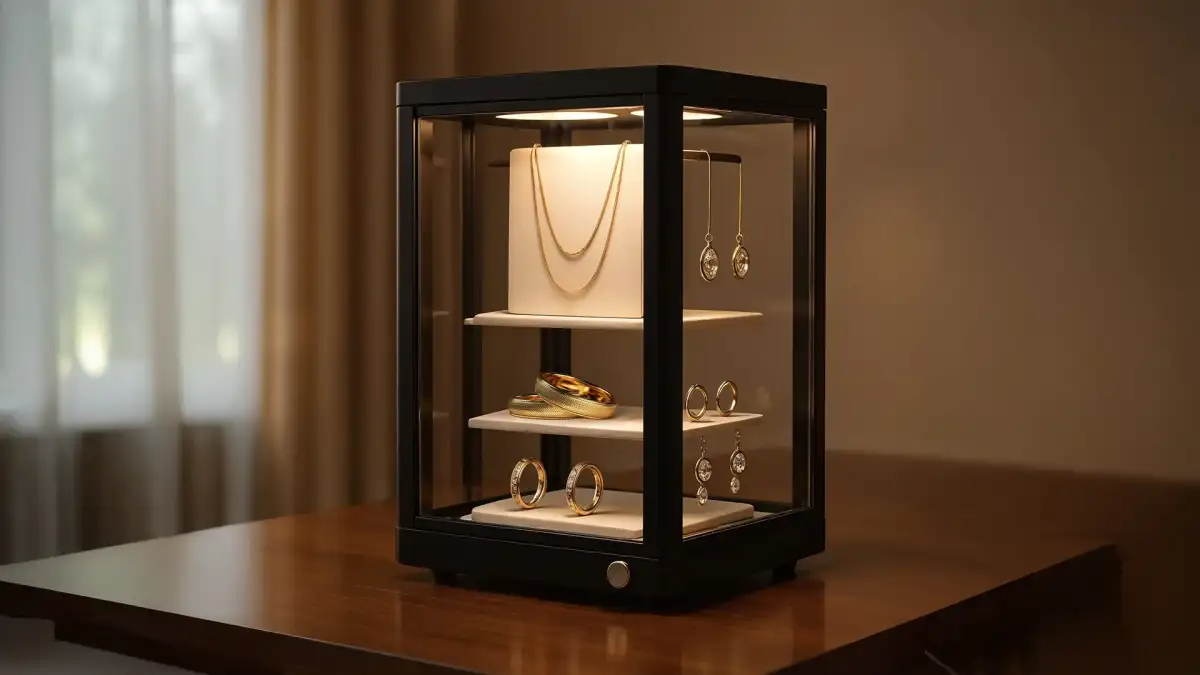
When tucking away your glittering possessions, the mantra is separation.
Regardless of the metal, each piece needs its own space.
Allowing jewelry to jumble together, particularly with harder surfaces or abrasive materials, is a recipe for scratches and nicks.
Traditional jewelry boxes, often the first line of defense, should ideally have compartments to ensure this separation.
THE BATTLE AGAINST THE FADE
Protecting against the elements and everyday mishaps is crucial for maintaining that gleam.

Avoid the common culprits: Perfumes, lotions, and cleaning chemicals are not friends to delicate metals and gemstones. It’s best to let these products dry before adorning yourself.
Embrace the dry: Humidity can be a silent saboteur. Controlling the climate of your storage area, perhaps with silica gel packs, can help ward off unwanted reactions, especially for alloys prone to tarnishing.
Material matters: Just as you wouldn't scrub a delicate silk scarf with a wire brush, different jewelry materials demand different handling. Understanding the metal and its specific needs is key to preventing degradation.
DISPLAY VERSUS DISASTER
For those who like to showcase their collection, a balance between visibility and security is paramount. Displaying valuable pieces means more than just putting them on a shelf; it requires careful consideration of where and how they are presented to prevent accidental damage or, worse, theft.
Read More: Surgeons Warn Against Long Toilet Stays and Flushable Wipes for Colon Health
A REPUTABLE SOURCE IS YOUR FIRST GUIDE
When acquiring new treasures, don't shy away from asking the jeweler for care instructions. A reputable seller can offer guidance tailored to the specific item, setting you up for long-term preservation right from the start. This is particularly helpful for understanding the nuances of 'gold alloys' versus pure gold, or the distinct characteristics of silver.
BACKGROUND: MORE THAN JUST METAL
Jewelry, whether freshly acquired, passed down through generations, or a chance second-hand find, often carries significant sentimental value alongside its material worth. These items are frequently linked to memories, heritage, and represent a tangible investment. Proper care and safe storage are therefore not merely practical necessities but a way to honor that deeper significance. The perceived invincibility of a gleaming necklace or a weighty ring often belies their delicate nature when faced with the realities of daily life and storage.
Read More: Bianca Censori's Tokyo Outfits Change: Less Revealing Styles Seen in Japan