Recent data paints a grim picture of the global economic shockwaves emanating from the ongoing conflict in Iran. Business surveys across major economies are registering synchronized downturns, with growth momentum faltering and prices spiraling upwards. While Germany sees input cost inflation accelerate at its fastest pace in over three years, even nations like Japan, previously thought robust, are experiencing an unexpected slowdown in inflation and a dip in business activity indexes, directly tied to the war's impact. The pervasive fallout suggests that even a swift cessation of hostilities will leave global policymakers grappling with the altered landscape of economic growth and inflation prospects.
Pakistan's Fragile Economy Under Strain
The broader implications of this global economic turbulence are particularly stark for Pakistan. The country's already precarious economic situation is being severely aggravated by the cascading effects of the Iran war. While specific figures detailing the precise impact on Pakistan's economy are still emerging, the synchronized global slowdown indicates a contraction in trade, reduced foreign investment, and potentially volatile currency markets – all elements that disproportionately affect developing economies with existing vulnerabilities. The rising global prices, driven by supply chain disruptions and increased energy costs likely linked to the conflict, add further pressure to a nation already struggling with inflation and import costs.
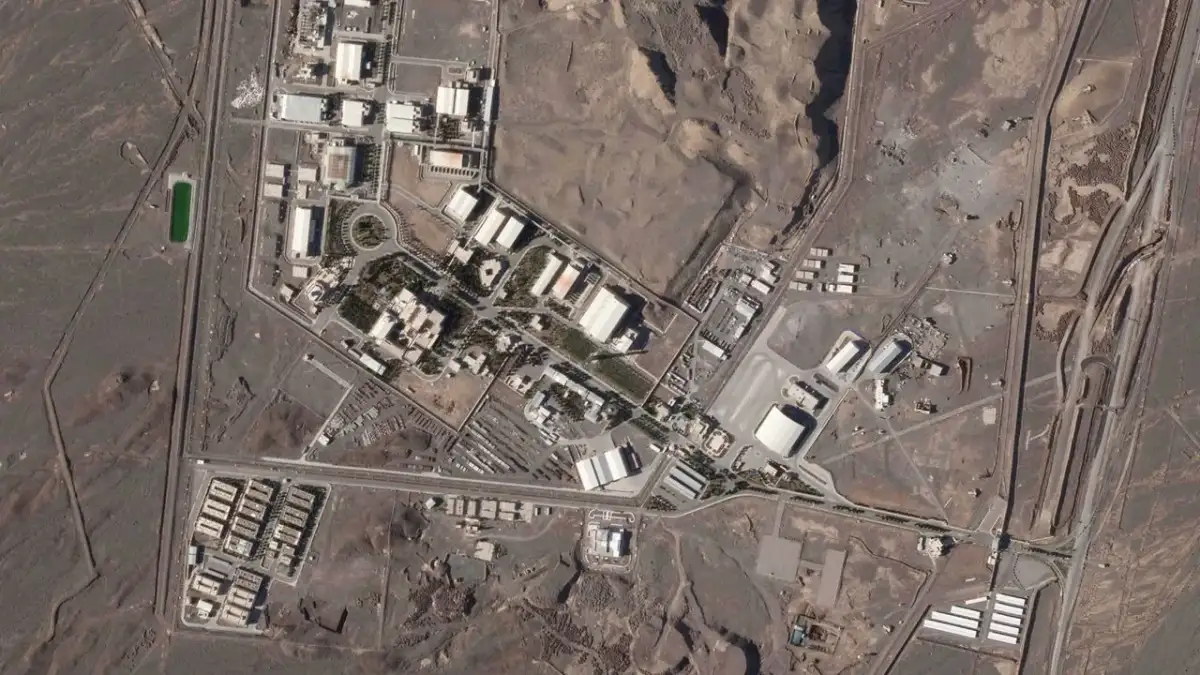
Read More: Iran Zagros Mountain Nuclear Site Construction Update April 2026
Internal Pressures Mount in Iran
Meanwhile, the conflict appears to be exacerbating severe internal economic distress within Iran. Official budget deficits are reportedly in the trillions of tomans. The nation's supreme leader has publicly called for reduced consumption of essential resources like food, water, energy, and fuel. Reports indicate that meat has become a luxury, with millions suffering from hunger. A systemic energy crisis, festering for years, has reached a critical point, mirroring the rapid economic deterioration. This internal crisis is reportedly fueled by mismanagement, widespread corruption, geopolitical instability, and structural inefficiencies, all contributing to significant social unrest.
Background on Global Concerns:
The Iran war's economic footprint is becoming increasingly evident. Officials from the United States and Israel have separately expressed confidence in their military objectives, suggesting the conflict might persist. This uncertainty fuels anxieties about the war's duration, a key factor in assessing its long-term economic consequences. Reports indicate a significant slowdown across the world's largest economies, with business activity indexes across manufacturing and services showing declines. The conflict is not just disrupting trade routes and increasing energy prices; it's creating a pervasive sense of instability that is impacting consumer and business confidence globally.
Read More: Why AI Market Growth Is Slowing Down As Of April 2026
In Thailand, Prime Minister Anutin Charnvirakul secured a decisive re-election, indicating a period of political stability amidst global turmoil. Separately, U.S. President Donald Trump and Japanese Prime Minister Takaichi Sanae exchanged pleasantries during a White House visit, though this occurred alongside Trump's earlier criticism of Japan for not contributing military assets to efforts aimed at unblocking the Strait of Hormuz. The economic repercussions of this conflict are not confined to the immediate region; they are resonating in major economic blocs, leading to a synchronized global economic slowdown.