Former President Donald Trump posted on his social media platform, 'Truth Social', expressing that he was "glad" former FBI Special Counsel Robert Mueller had died. Trump's statement, which included the phrase "He can no longer hurt innocent people!", was made public following news of Mueller's death at the age of 81.
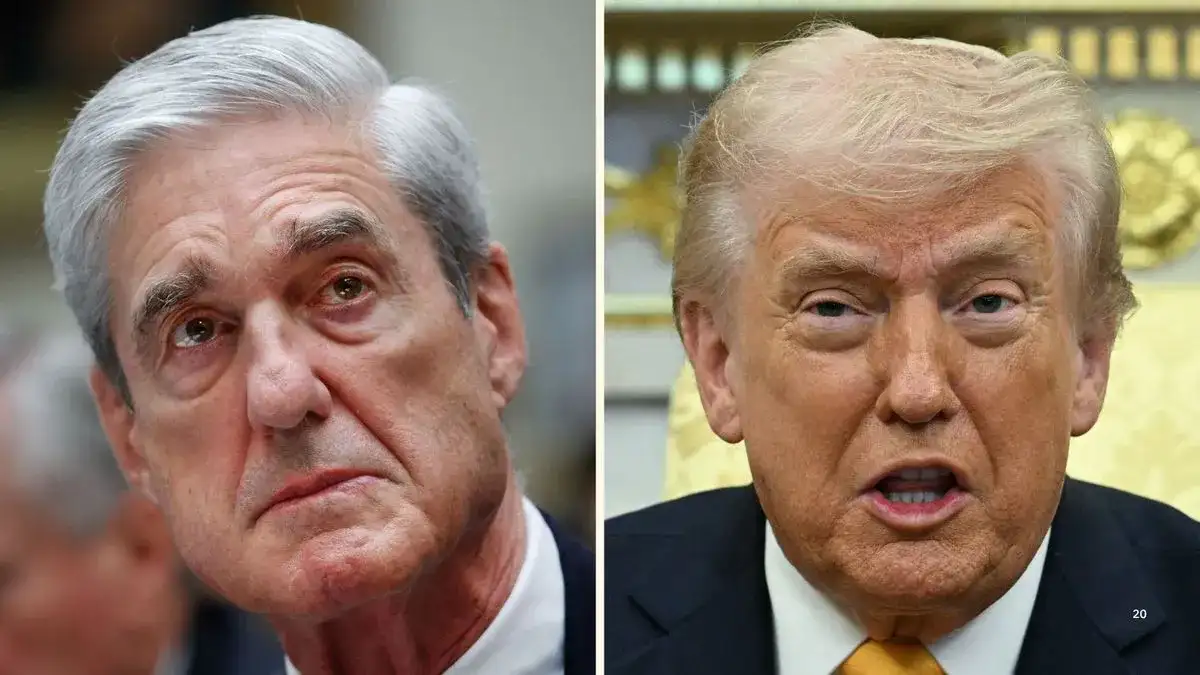
The former president's remarks have been met with widespread condemnation from across the political spectrum. This reaction contrasts sharply with the expressions of sympathy and respect offered by many public figures and former colleagues of Mueller. Trump's allies have previously contended that the Mueller probe's failure to establish a criminal conspiracy constituted an exoneration, a characterization Mueller's own report explicitly contested. The juxtaposition of the report's findings and Trump's post-mortem reaction has become a focal point of discussion surrounding Mueller's legacy.
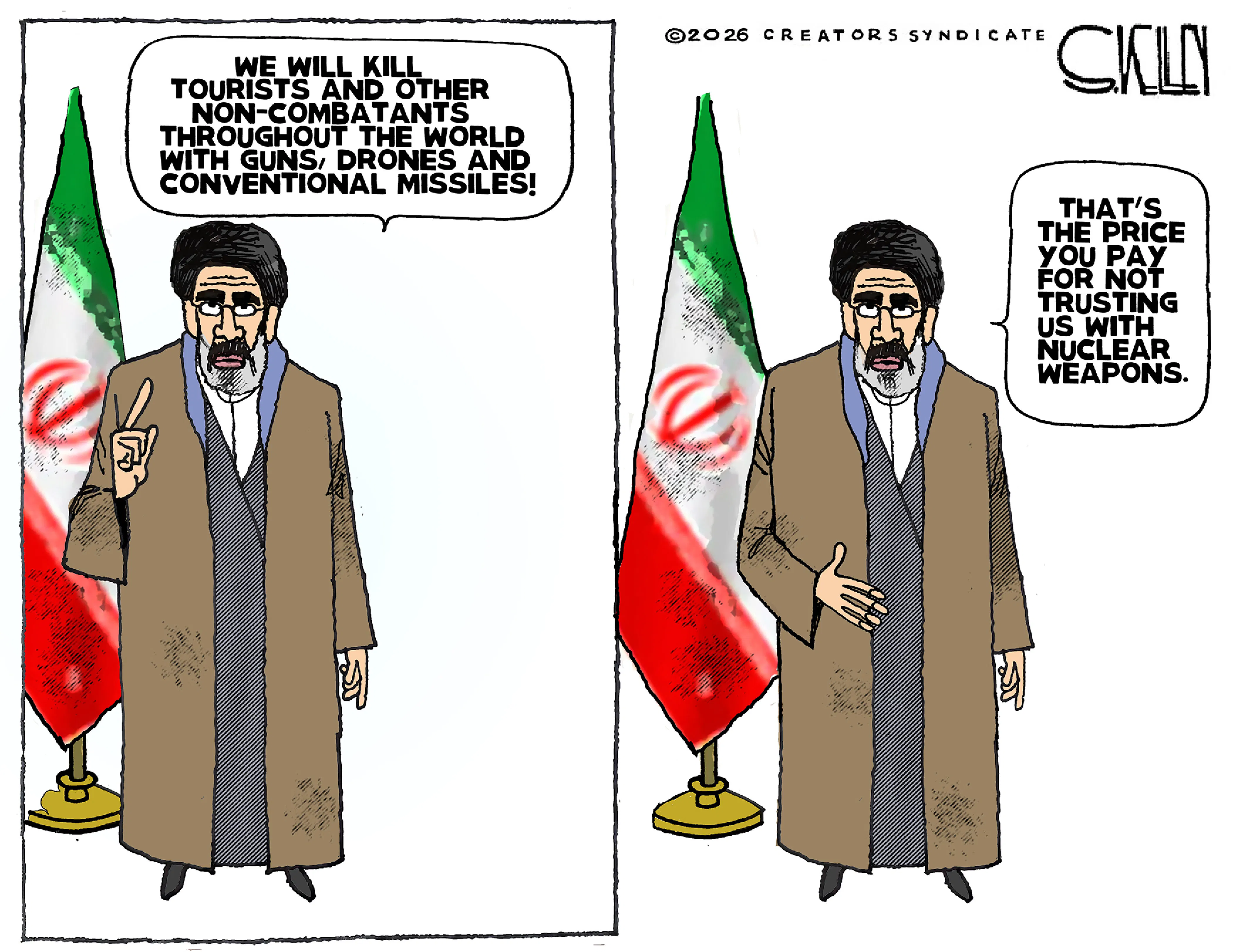
Read More: Why political cartoons on March 23 2026 show rising fuel prices and economic stress for families

Post-Investigation Acrimony
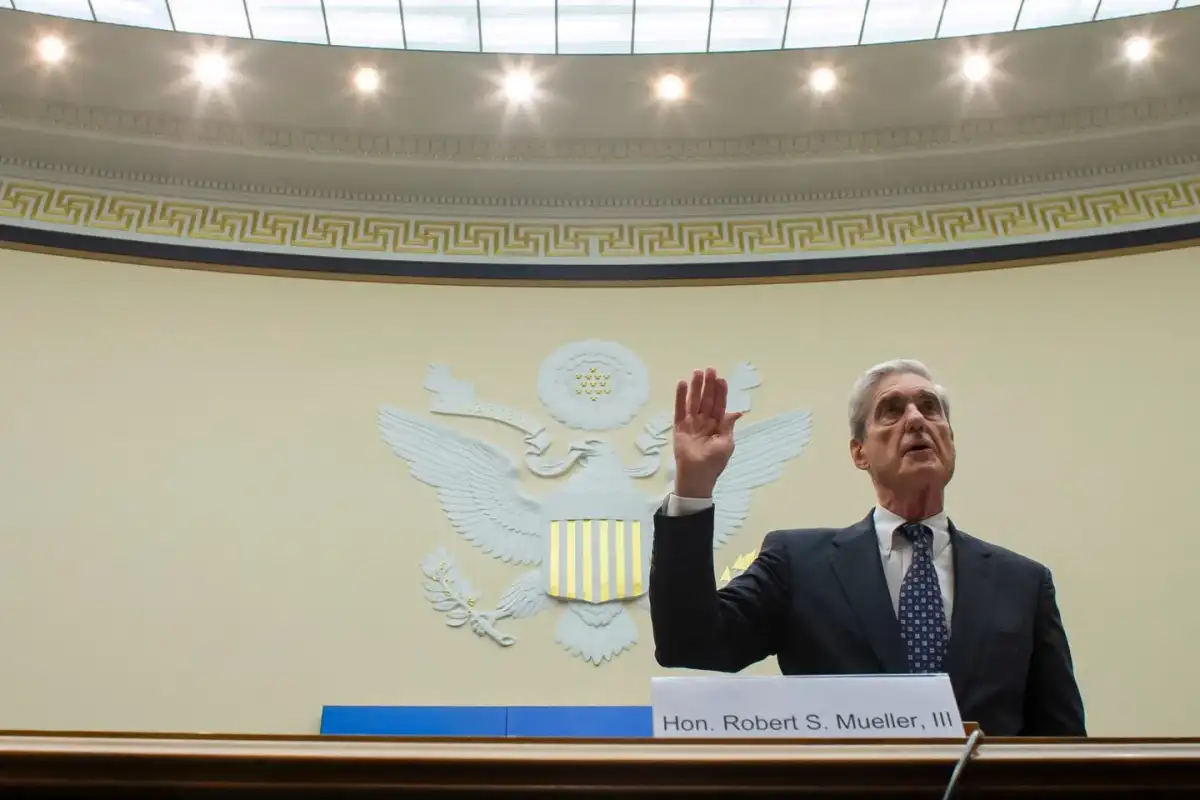
Mueller, who served as FBI Director and later led the extensive investigation into Russian interference in the 2016 U.S. presidential election, passed away from Parkinson's disease. His investigation, spanning 22 months and costing approximately $32 million, resulted in indictments and guilty pleas from several individuals connected to the Trump campaign, including former campaign chairman Paul Manafort and advisor Roger Stone.

While the report did not find sufficient evidence of a criminal conspiracy between the Trump campaign and the Russian government, it did detail actions by President Trump that could be viewed as obstruction of justice. Mueller himself stated that the report "does not exonerate him." Trump consistently characterized the investigation as a "hoax" and politically motivated.
Reactions and Ramifications
The starkness of Trump's social media post drew immediate criticism. Senate Minority Leader Chuck Schumer characterized the cruelty of the comments as "the point." Former FBI unit chief Paul Bresson, who served under Mueller for 12 years, described Trump's words as "devastating" and stated that Mueller "merits better," highlighting his "integrity, professionalism, and humility."
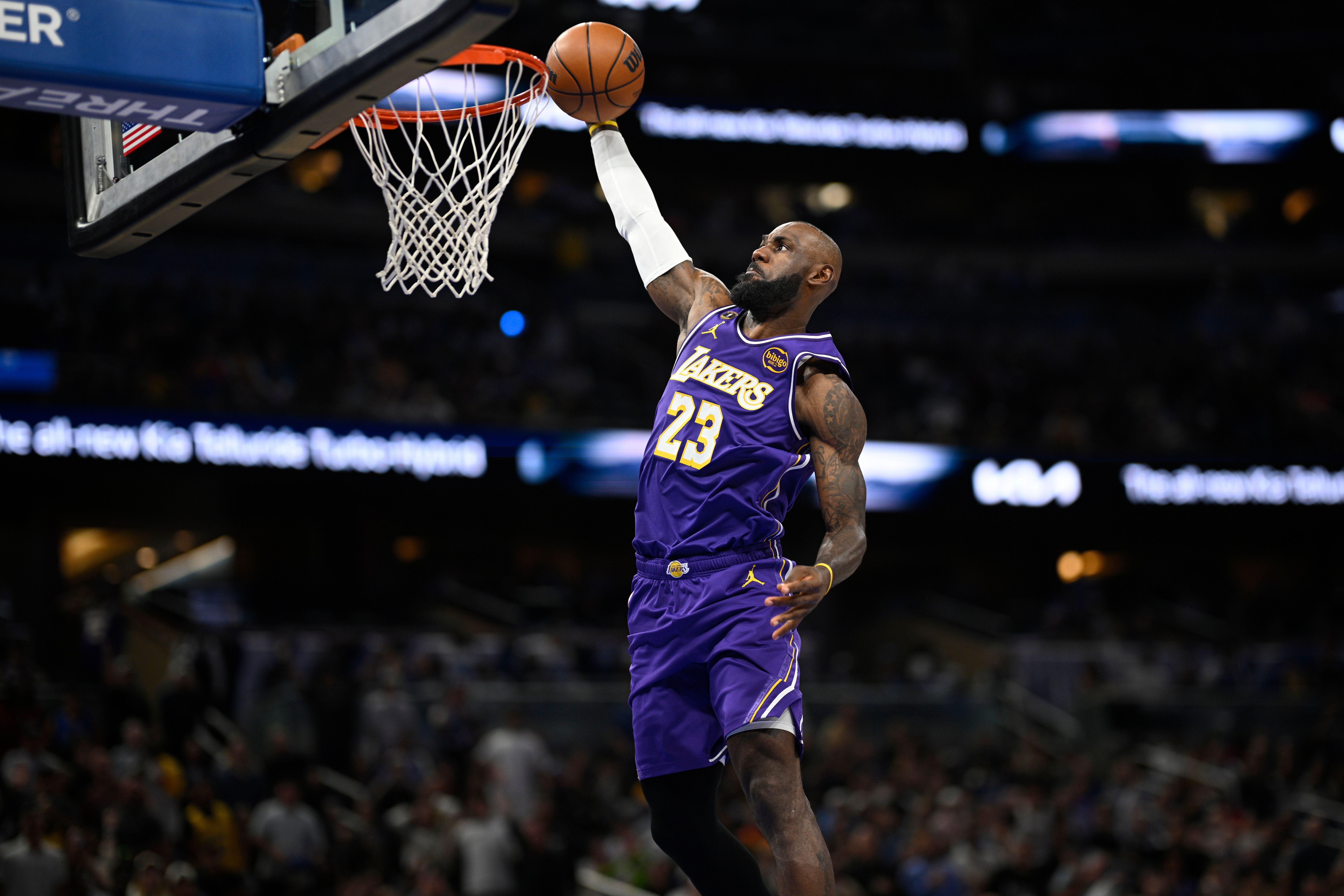
Read More: LeBron James Plays Most NBA Games Ever on March 21 2026
Media coverage of Trump's statement varied, with some outlets dedicating significant discussion and criticism to the remarks, while others, such as Fox News, reportedly minimized or avoided direct mention of Trump's comments in their initial broadcasts. This disparity in reporting has itself become a point of analysis, with some suggesting it reflects a broader pattern of Trump's engagement with perceived adversaries, even in death.
A Pattern of Provocation
This is not the first instance of Trump making contentious remarks about deceased individuals, particularly those perceived as his political opponents. Past comments have targeted figures like Senator John McCain and have involved reposting attacks on the Kennedy family. His remarks regarding Mueller, however, mark an explicit celebration of a death, a level of insensitivity that critics argue has reached a new extreme.
Read More: Kunnathur 2026 Assembly Election Factions Fight for Control in Kollam District
Mueller's Tenure
Mueller's career in public service was distinguished. He served as a decorated Vietnam War veteran and later led the FBI, undertaking significant structural changes within the agency, particularly in the wake of the September 11th attacks, transforming it into a counter-terrorism force. His leadership during a period of national crisis and his subsequent role as Special Counsel underscore the gravity and divisiveness of the investigation he helmed. The Mueller report itself remains a key document in understanding the complexities of the 2016 election and the subsequent political landscape.