Hundreds of international influencers, long drawn to Dubai's opulent allure, have recently exited the emirate, a departure coinciding with escalating regional conflict and missile intercepts over the city. The scramble to leave follows weeks of assurances from some prominent figures regarding Dubai's safety, even as geopolitical tensions intensified. Authorities had reportedly cautioned residents against posting content that could "incite panic."
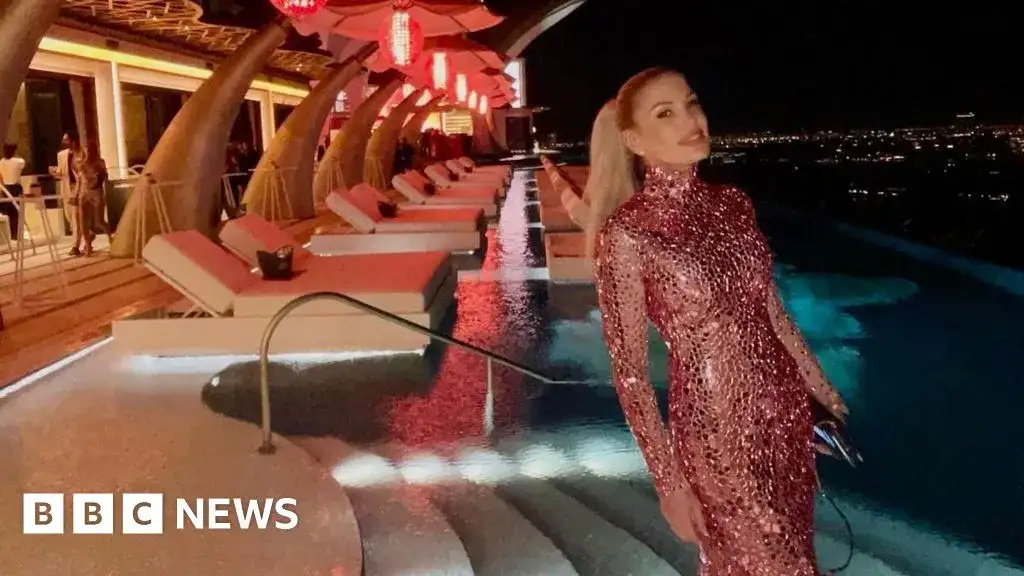
The outward migration of content creators and reality stars from Dubai marks a significant disruption to its carefully cultivated persona as an unassailable global hub for the digital elite. This exodus underscores a stark contrast between the aspirational lifestyle often showcased online and the tangible anxieties arising from actual hostilities.
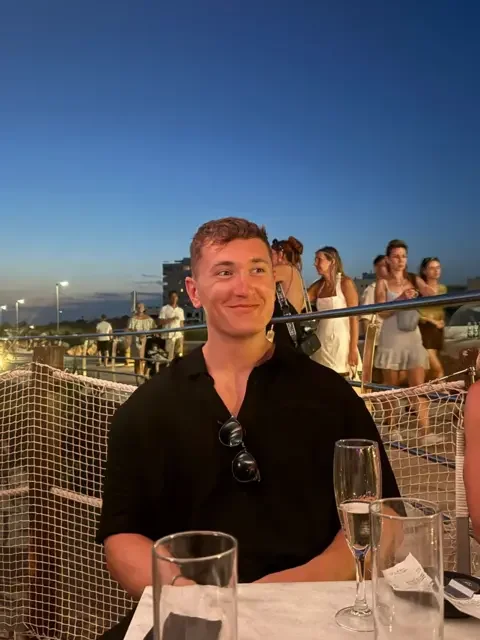
Several well-known personalities have confirmed their departures. Lindsay Lohan, who had previously reassured followers of her security, returned to the United States last week. Luisa Zissman, a vocal supporter of Dubai's administration, relocated to the UK with her children, citing work obligations. Petra Ecclestone and Sam Palmer also departed on March 6, though they framed their move as a trip for a daughter's equestrian event rather than an urgent evacuation.
Read More: EES System Problems Cause Travel Delays for Cross-Channel Travellers from April 10th
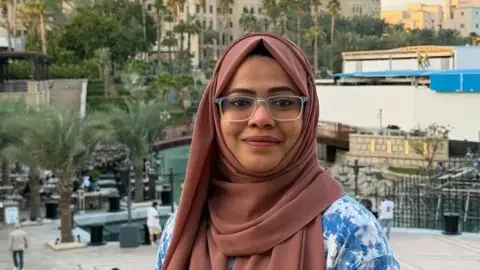
Despite these departures, some influencers remain, reiterating their confidence in the city's security apparatus. Lauren O’Connell, a YouTuber who has resided in Dubai for over a decade, expressed unwavering faith in the emirate's safety measures, even during the ongoing attacks. Hofit Golan, a TV personality, described witnessing missile intercepts firsthand but believes Dubai's image will endure. Another resident, Afsha Farooqui, stated she did not feel unsafe in the city.

The security directives from the UAE authorities, urging a clampdown on panic-inducing social media content, have underscored the delicate balance between maintaining public order and allowing free expression during a crisis. This attempt to control the narrative highlights the high stakes involved in preserving Dubai's image as a stable and desirable international destination.
Read More: Iran Claims Downing US F-15 Jet Over Its Territory; One Pilot Found
The ongoing conflict has prompted a broader search for alternative havens among content creators. Reports indicate a shift towards locations like the Cayman Islands, Bermuda, Puerto Rico, Kuala Lumpur, and Bali, all offering similar tax-free, glamorous, and sun-drenched environments, but without the immediate geopolitical instability. This suggests a potential recalibration of where the digital vanguard chooses to establish their bases of operation.
Background: The Allure and the Fallout
For years, Dubai has aggressively marketed itself as a global influencer hotspot. Its appeal was built on a foundation of luxury, aspirational lifestyles, and, crucially, a perceived sense of safety and stability. This carefully constructed image, amplified through countless curated social media posts under hashtags like #DubaiLife, attracted an estimated 50,000 influencers to call the emirate home. The city’s infrastructure and tax-friendly policies further solidified its position as a premier destination for content creators seeking glamorous backdrops and lucrative opportunities.
Read More: Holy Week Travel Plans Canceled Due to High Gas Prices in Philippines
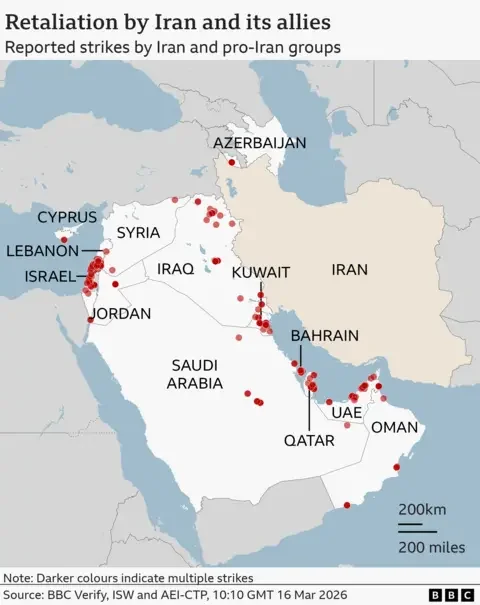
However, recent events have cast a harsh light on this idealized portrayal. Missile attacks, though largely intercepted, have reportedly damaged iconic landmarks like the Fairmont The Palm and the Jumeirah Burj Al Arab hotel. Concurrently, the United States issued advisories urging its citizens to depart several Middle Eastern countries, including the UAE. These developments have inevitably led to questions about Dubai's long-term viability as a secure international hub, prompting experts and residents alike to reassess its reputation. The current situation underscores the inherent fragility of even the most meticulously crafted public personas when confronted with the unpredictable realities of international conflict.