

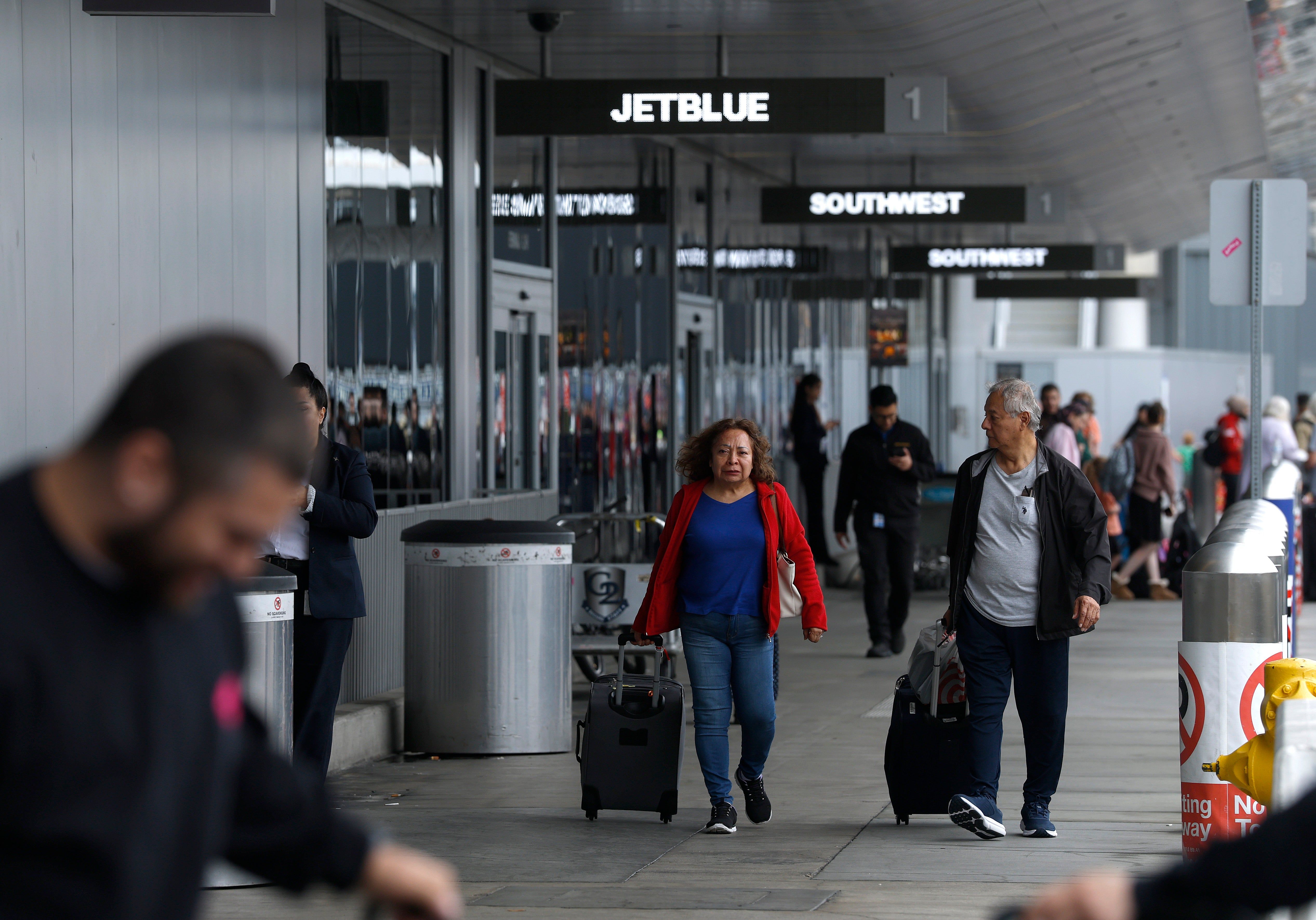
United Airlines has raised fees for checked baggage, effective immediately, following a surge in jet fuel prices attributed to global conflicts. This marks the second major U.S. carrier to implement such increases this week, with JetBlue having made similar adjustments earlier. The hikes apply to first and second checked bags on domestic, U.S.-Mexico, U.S.-Canada, and Latin American routes.
The airline stated the increases are a direct response to escalating fuel expenses, a significant operational cost second only to labor. Fuel prices have seen considerable volatility, impacting airlines that do not typically hedge against such fluctuations. These new fees are applicable to tickets purchased on or after Friday, April 3.

Who Avoids the Price Jump?
Certain passenger groups are exempt from the newly increased checked bag fees. These include:
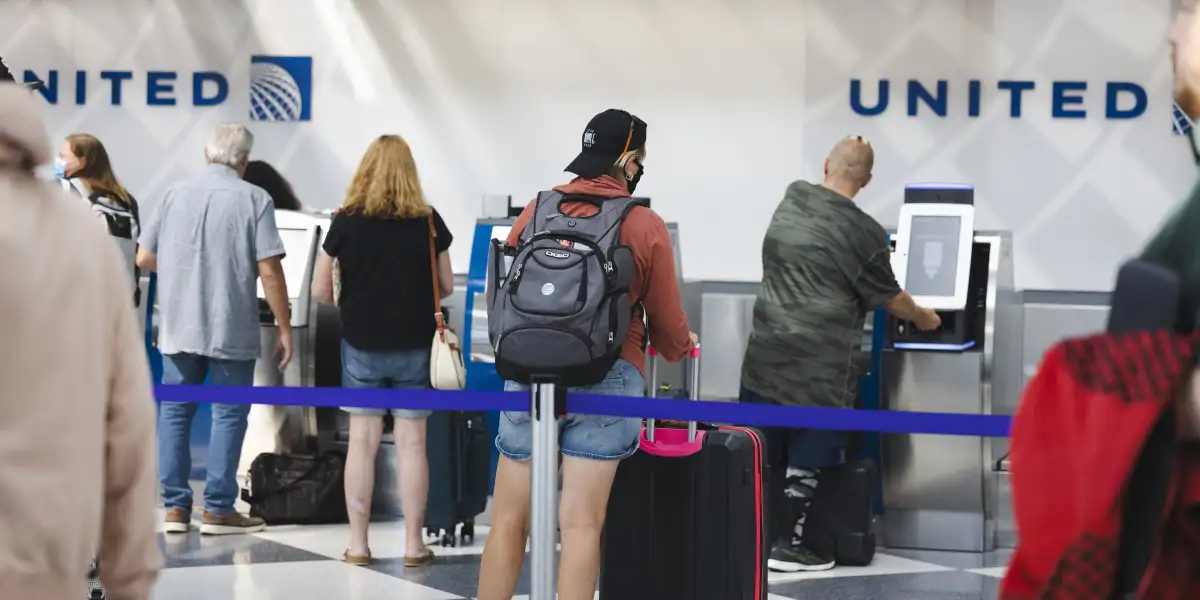
Holders of specific United co-branded credit cards.
United MileagePlus Premier members (frequent flyer program elite status holders).
Active military personnel.
Passengers traveling in premium cabins.
A Pattern of Increased Ancillary Revenue
This move by United is not isolated. It represents a broader industry strategy where airlines leverage ancillary fees, such as baggage charges, to boost revenue without directly altering base ticket prices. This approach is partly driven by tax structures, as excise taxes apply to fares but not to optional fees like checked bags. These fees also enhance the appeal of co-branded credit cards, which have become significant profit centers for airlines.
Read More: Margaret River Named World's Best Wine Place
This is the first time United has altered its baggage fees in two years. While the increase for an individual bag may seem modest, the cumulative revenue from such charges constitutes a substantial income stream for carriers. Competitors are often observed to follow suit with similar fee adjustments.
The Backdrop: Geopolitical Tensions and Economic Pressures
The recent escalation in fuel costs is linked to geopolitical events, specifically conflicts involving Iran and disruptions to key shipping routes like the Strait of Hormuz. These events have caused crude oil prices to fluctuate dramatically, directly affecting the cost of refined jet fuel. The U.S. airline industry, unlike some international carriers, often operates without fuel hedging strategies, leaving them more exposed to price shocks.
Read More: FIFA World Cup 2026 Revenue Reaches $15 Billion With New Ticket Prices
The trend of unbundling fares and introducing fees has been a consistent feature of the airline industry over the past two decades, with elevated fees often remaining in place even when underlying costs, like fuel, decrease.


