Exodus Derailed as Costs Mount
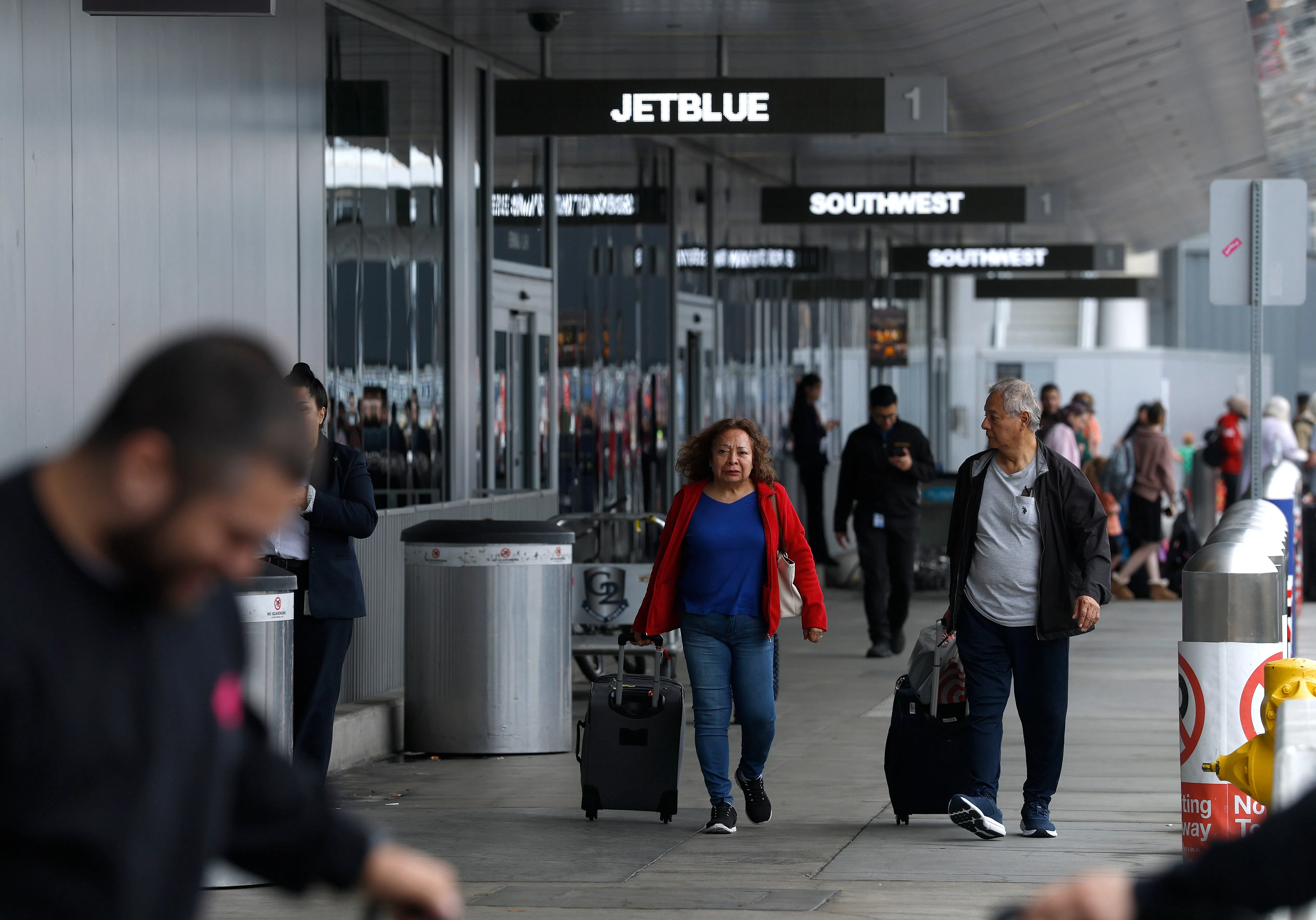
Filipinos are scaling back or abandoning traditional Holy Week travel plans due to a sharp increase in fuel prices. This reality is manifesting in fewer private vehicle journeys, a shift toward more economical public transport options, and even cancellations of specific cultural practices like the 'Visita Iglesia.' The impact is being felt across various regions, from popular tourist destinations in Negros Occidental to the bustling transit hubs of Metro Manila.

Shifting Commuting Habits
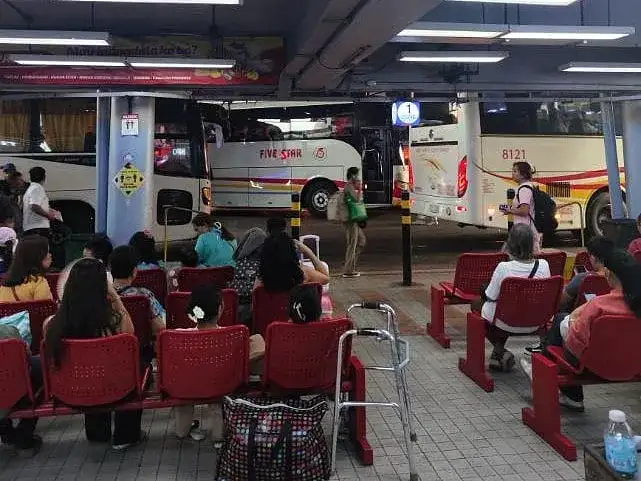
The prohibitive cost of gasoline is pushing many away from private cars, with a noticeable increase in passengers opting for buses. Bus companies, however, are also struggling with reduced trip numbers and passenger volume, with some even suspending routes due to a lack of demand. This creates a paradox where the intended cost-saving measure for travelers results in fewer services for those who can still afford to move.
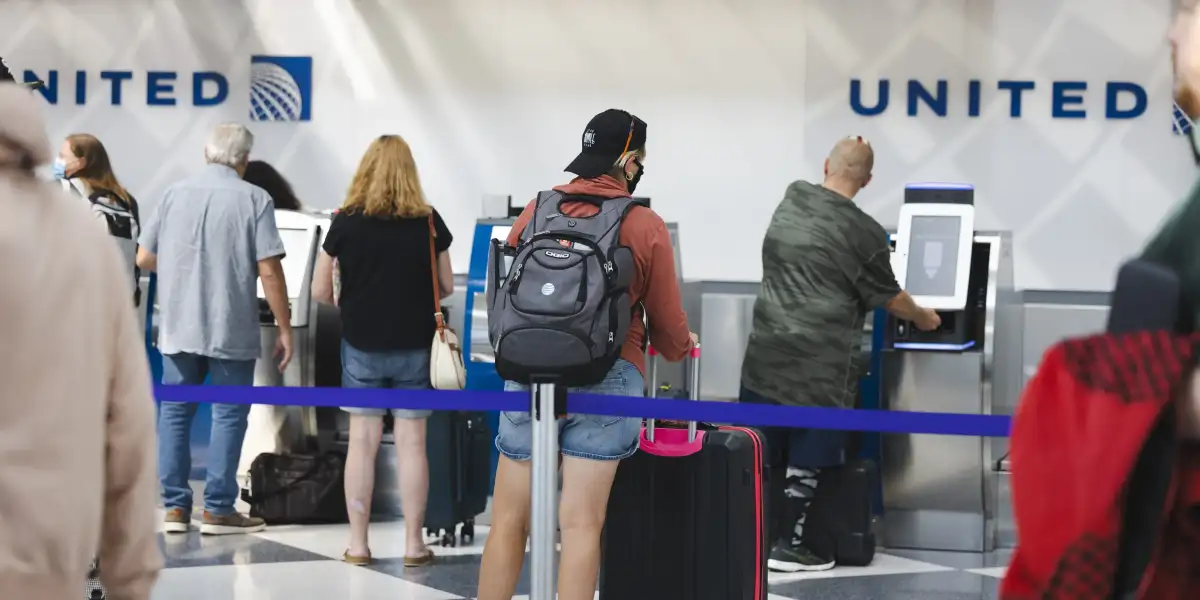
Read More: United Airlines Raises Checked Bag Fees Starting April 3 Due to Higher Fuel Costs
Economic Ripple Effects
Beyond individual travel, the surge in fuel costs is impacting transport workers. App drivers report significantly reduced take-home earnings due to escalating fuel expenses and vehicle maintenance. For ordinary commuters, the increased cost of basic goods, like rice, further constrains their ability to travel. While some local governments offer free rides, these are described as severely limited.

Official Response and Security Measures
In response to the anticipated — or perhaps, in some areas, the observed — travel disruption, law enforcement agencies are mobilizing. The Philippine National Police has deployed substantial personnel to key areas across the country, including Bacolod City and the Negros Island Region, to ensure public safety during the Holy Week and the subsequent summer season.
A Quieter Pilgrimage?
Reports suggest a decline in tourist traffic to certain road trip destinations. This paints a picture of a potentially quieter Holy Week than usual for some local tourism spots. The ‘Visita Iglesia,’ a tradition involving travel to seven churches, is also being curtailed by some, directly attributable to the soaring cost of gasoline.
Read More: US Government Takes Bigger Role in Business Decisions Starting 2024
Contextual Undercurrents
The situation is further complicated by the weak peso, which exacerbates the impact of global oil price hikes. Analysts note that while some Filipinos are still traveling, there is a general trend of trimming non-essential spending. The cost of airfares, accommodation, and food is also under pressure.
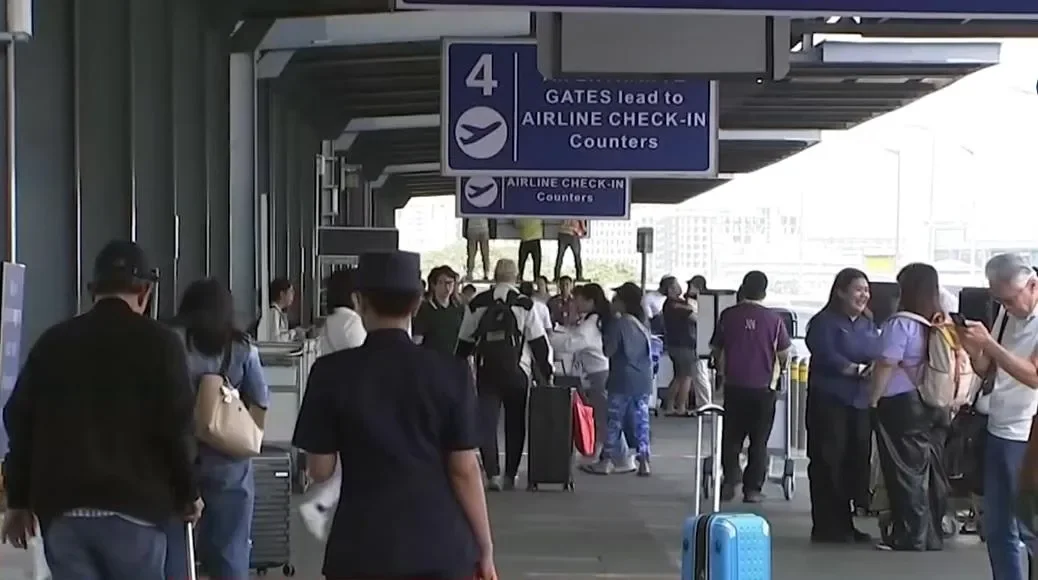
While official figures may project significant passenger flows at major airports like NAIA, driven by pent-up travel desires and the cultural significance of Holy Week, the ground-level reality for many appears to be one of financial constraint dictating travel decisions. Discussions are underway regarding potential temporary cuts to airport landing fees to mitigate some of these costs.