Inquiry into encounter death mandated to conclude within seven days; family disputes official account.
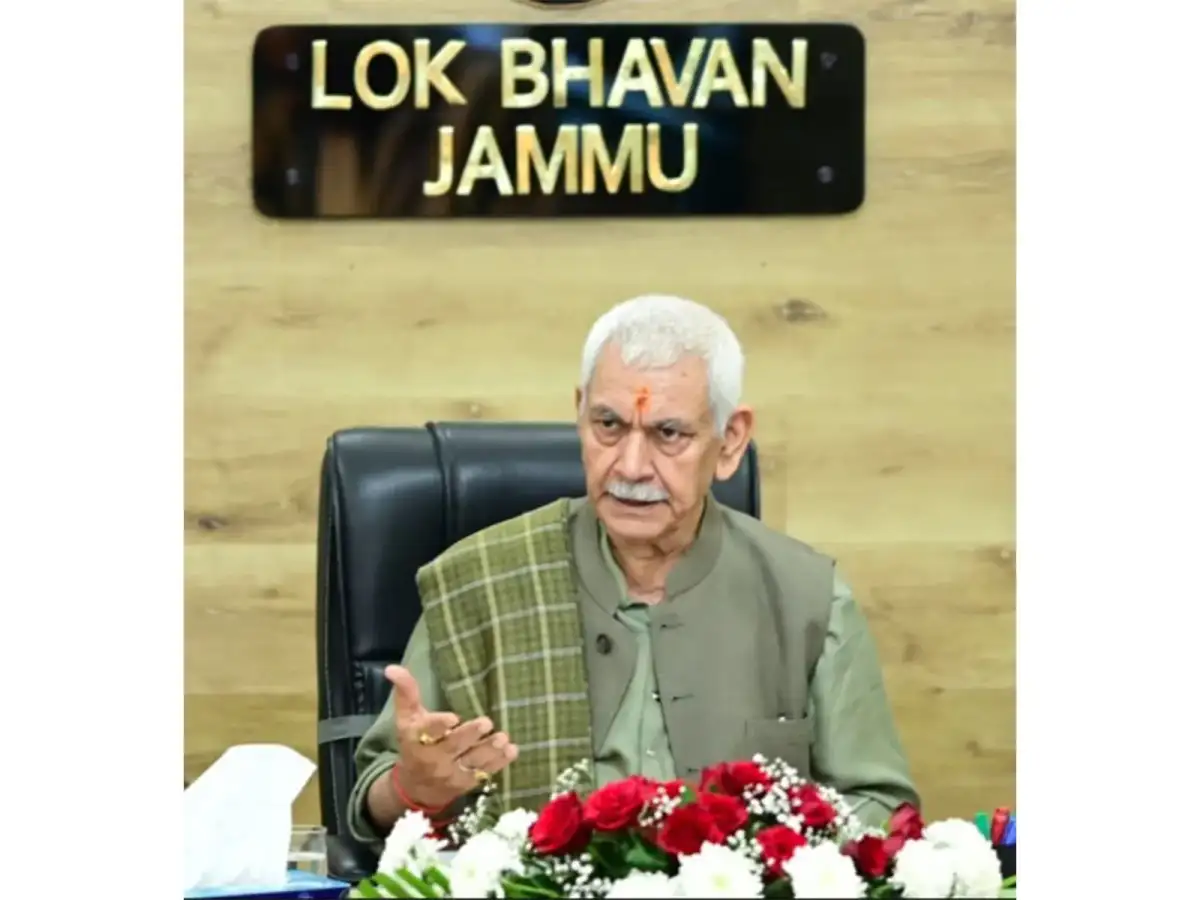
Jammu and Kashmir Lieutenant Governor Manoj Sinha has ordered a magisterial inquiry into the death of Rashid Ahmad Mughal in an Army encounter in Arhama forests, Ganderbal. The probe, mandated to examine all facets of the incident, is to be completed and submitted to the Home Department within seven days. This directive follows widespread concern and immediate uproar in the Jammu and Kashmir Assembly, where members across various benches, barring the BJP, voiced demands for a judicial probe, arguing a magisterial inquiry might be insufficient.
The central point of contention revolves around the identity of the deceased. The Army has stated they eliminated a "terrorist," but the family of Rashid Ahmad Mughal, a Ganderbal resident, adamantly claims he was an innocent civilian with no links to militancy. His brother, Ajaz Ahmad Mughal, has asserted that Rashid left home for work and did not return. This stark contradiction between the official account and the family's narrative has fueled the public and political outcry.
Read More: Secret Service Promotions After Butler Attack Criticized by Congress

Political Murmurings and Calls for Transparency
The Ganderbal encounter, culminating in Mughal's death, has ignited significant political discourse. Leaders such as former Chief Minister Mehbooba Mufti (PDP) and Chief Minister Omar Abdullah have publicly questioned the encounter's circumstances, demanding a transparent and time-bound investigation. Mufti specifically highlighted perceived inconsistencies in the Army's initial statements regarding Mughal's alleged affiliations. While the BJP welcomed the magisterial inquiry, citing it as a step towards accountability and public trust, other political factions have pushed for more rigorous judicial oversight.

The Home Department, operating under the Lieutenant Governor, has formally directed the District Magistrate of Ganderbal to conduct the inquiry. The official communication underscores the need to "ascertain the facts and circumstances leading to the death" and ensure that "justice is served." The urgency of the directive, with a strict seven-day deadline for the report, indicates the administration's acknowledgment of the sensitivities surrounding the incident.
Background: A Cycle of Encounters and Questions
The incident has revived painful memories of past encounters in the region, intensifying long-standing demands for accountability and clarity. The narrative of civilians being caught in crossfire or allegedly killed in staged encounters has been a persistent undercurrent in the region's complex security landscape. The official position, which emphasizes the elimination of militants and the maintenance of law and order, often clashes with accounts from families and local communities alleging civilian casualties and demanding independent verification. The ongoing magisterial inquiry, therefore, is not merely an investigation into a single death, but a probe into a pattern that frequently sparks public suspicion and political contention in Jammu and Kashmir.