Major US stock indices experienced a significant downturn, with the Dow Jones Industrial Average seeing a 900-point drop. This decline coincided with oil prices reaching their highest point in nearly two years and data indicating a slowing US economy. The swift market reaction unfolded within minutes of trading opening, signaling a confluence of anxieties.
The immediate shockwaves appear to stem from a dual assault on market confidence: a sharp increase in global oil prices, driven by geopolitical tensions involving Iran and the crucial Strait of Hormuz, and a dispelling of optimism regarding the US labor market, evidenced by jobs data that failed to meet expectations. This potent combination has amplified fears of a stagflationary environment, where rising costs meet waning economic growth.
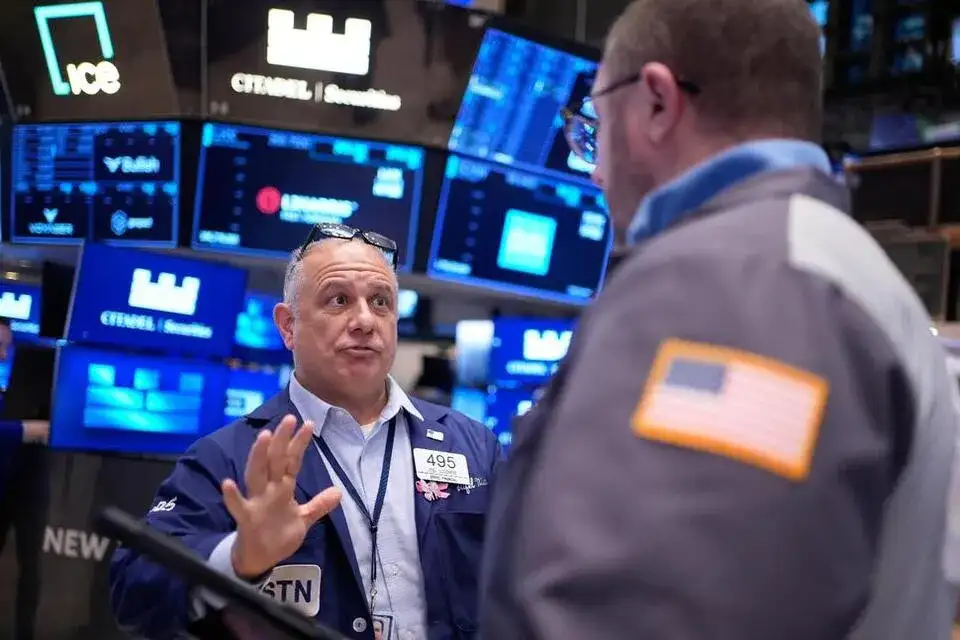
The upward pressure on oil prices, linked to concerns about supply disruptions through a vital waterway, directly feeds into inflation worries. This has consequently influenced the bond market, with Treasury yields showing a wavering pattern – climbing due to oil's ascent and dipping in response to the less-than-robust economic reports. Analysts note that smaller companies, often more sensitive to domestic economic health, bore a disproportionate brunt of the sell-off.
Read More: New Coursera Money and Banking Course Offers Emerging Market Examples
This period of market turbulence marks the worst week for Wall Street since October. The narrative has shifted, with traders recalibrating expectations for interest rate cuts by the Federal Reserve, now leaning towards a single reduction this year instead of at least two. The specter of higher interest rates potentially exacerbating inflation further clouds the outlook.
The broader economic picture is being painted with a brush of slowing growth. The underwhelming jobs data serves as a stark indicator, impacting investor sentiment and reinforcing anxieties about the economy's trajectory. The intertwined dynamics of energy costs, inflation, and economic deceleration are now at the forefront of market concerns.