GLOBAL REMITTANCES FUNCTION AS AN IMPERATIVE, NOT A CHOICE, FOR MANY WORKING ABROAD, PERPETUATING CYCLES OF DEPENDENCE AND STALLING PERSONAL FINANCIAL ADVANCEMENT.
The continuous outflow of funds to relatives back home acts as a powerful constraint, effectively trapping individuals in their current economic circumstances. This phenomenon is particularly stark for migrant workers, where cultural pressures and familial reliance create an obligation that overshadows personal savings and disposable income. The lack of opportunity to build personal wealth is a direct consequence, as resources are perpetually diverted to meet immediate familial needs.

Technology has undeniably streamlined the process of sending money across borders, facilitating direct payments to utility companies or even school fees. This efficiency, however, does little to alter the fundamental dynamic: the consistent demand for financial support remains. For those accustomed to providing, the pressure to contribute is immense, with saying "no" often framed as a cultural transgression.

NAVIGATING THE CASH COW CONUNDRUM
The dynamic of familial financial expectations often positions individuals as perpetual "cash cows." Relatives, even those with demonstrable income, may routinely seek loans to cover expenditures, leading to mounting debt owed to the provider. These requests frequently involve funding for leisure or non-essential items, a stark contrast to the provider's own financial limitations.
Read More: Solaris Energy SEI Stock Price Forecast Reaches $91.98 by July 2027

This strain is not confined to specific cultural contexts. Reports detail instances where parents, despite being well-off, find themselves curtailing their own spending to support adult children. The act of providing can extend to down payments on homes, with continued financial assistance for mortgages and upkeep, sometimes leading to altered wills and concerns about depleted inheritances.
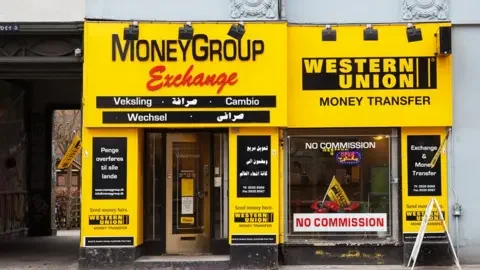
THE ILLUSION OF CHOICE AND THE TRAP OF ENMESHMENT
The notion of giving or lending money often masks a more complex reality of emotional and financial entanglement. While the act may be presented as a voluntary contribution, it can stem from a fear of disappointing or appearing ungenerous. The expectation of reciprocity, or even a simple "thank you," is frequently absent, replaced by a silent understanding of ongoing obligation.
Read More: Germany Asylum Applications Drop From Syria, Afghanistan, Ukraine
In some familial structures, a deep enmeshment can leave adult children feeling emotionally tethered, unable to establish personal boundaries or express dissatisfaction with the financial demands placed upon them. This can foster insecurity and a doubt in one's own decision-making capabilities, despite outward signs of independence. The line between supportive generosity and financial dependency blurs, creating a subtle but potent trap.
STRUCTURAL PRESSURES AND PERSONAL SACRIFICE
The decision to send money home is often less a personal choice and more an imposed necessity. For many migrant workers, particularly those in regions like the Gulf states, the primary economic purpose of their migration is to remit funds. This continuous financial obligation can significantly delay or even prevent any aspiration of leaving their place of employment, cementing their presence despite potentially challenging living and working conditions.
In instances of separation or divorce, the management of finances previously tied to familial obligations can represent a stark shift. What was once a complex web of contributions may transform into a singular focus on personal financial recovery and independence.
Read More: Rocket Companies brand update in April 2026 changes logos and names
The underlying theme across these various accounts is the persistent challenge of balancing familial obligations with personal financial well-being. The ease of modern technology facilitates these transfers, but it does not alleviate the inherent tensions and potential for financial exploitation within family structures. Whether driven by cultural imperatives, emotional leverage, or direct requests, the provision of financial support often becomes a difficult-to-escape cycle.