An archaeological discovery initially thought to be the oldest adult male remains in Northern England has been re-examined and determined to be those of a three-year-old child. These remains, found in Heaning Wood Bone Cave in Cumbria, date back approximately 11,000 years, placing them in the Mesolithic period, shortly after the end of the last Ice Age. This finding provides significant insight into early human presence and burial practices in the region.
Early Discoveries and Shifting Understanding
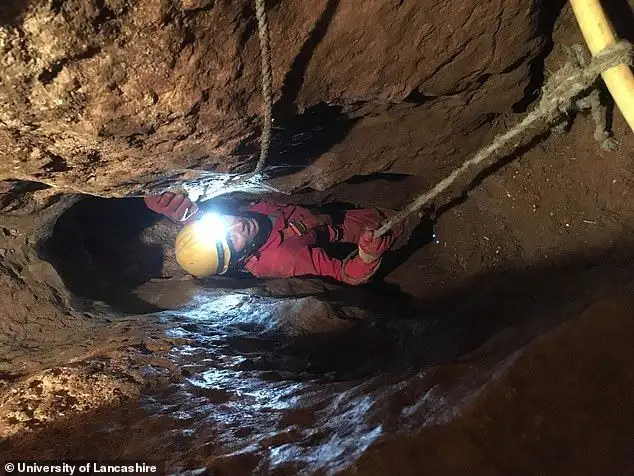
The excavation at Heaning Wood Bone Cave in Cumbria began in 2016, led by archaeologist Martin Stables. Over several years, a team from the University of Central Lancashire (UCLan), including Dr. Rick Peterson, worked at the site. Initial findings included human bones and a periwinkle shell bead. Radiocarbon dating revealed that the cave was used for burials during at least three distinct periods: the Early Bronze Age (around 4,000 years ago), the Early Neolithic (around 5,500 years ago), and most significantly, the very early Mesolithic period (around 11,000 years ago).
Read More: 5,900-Year-Old Child Skull Found in Norway Cave

The earliest identified human remains in Northern England were found in this cave.
These remains were initially characterized as belonging to an adult male, leading to the designation "Britain's oldest Northerner."
The age of the remains, around 11,000 years, situates them in a critical post-Ice Age period.
Scientific Reanalysis and Identification
A recent re-examination of the 11,000-year-old remains has led to a revised understanding of the individual's identity. The study, reported recently, concluded that the remains belong to a young child, approximately three years old. This child has been affectionately nicknamed the 'Ossick Lass'.
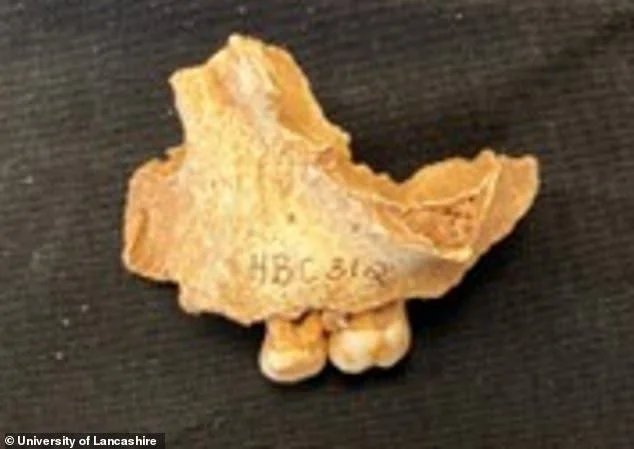
The re-analysis challenges the prior assumption about the age and sex of the individual.
The nickname 'Ossick Lass' has been given to the child, signifying the new understanding.
The age of the remains confirms their significance as some of the earliest evidence of human activity in Northern England after the last Ice Age.
Dating and Archaeological Context
The dating of the remains to 11,000 years ago is crucial for understanding early human migration and settlement in Britain. This period follows the significant climatic changes associated with the end of the last Ice Age, which concluded around 11,600 years ago. The warming climate would have opened up new areas for human habitation and movement.
The Heaning Wood Bone Cave site shows evidence of intermittent use for burials over millennia.
The Mesolithic period remains are of particular interest due to their antiquity in the region.
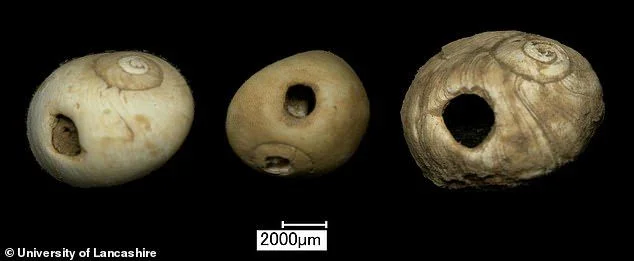
The discovery includes not only human bones but also artifacts like shell beads, suggesting possible ritualistic or personal adornment practices.
Significance of the Discovery
The re-identification of the 'oldest Northerner' as a child highlights the importance of ongoing scientific scrutiny in archaeology. While the initial identification generated significant interest as the earliest human presence in the north, the updated findings offer a more nuanced picture.
Read More: Tess Daly wears wedding ring in London after split from Vernon Kay
The find confirms the use of cave sites for burials in prehistoric Britain.
It adds to our understanding of Mesolithic populations in Northern England.
The shift from an adult male to a young child impacts how we envision the lives and communities of these early inhabitants.
Expert Insights
Dr. Rick Peterson, a reader in Archaeology from UClan, has described the find as "fantastic" and "staggering." He has been instrumental in the dating and analysis of the remains, leading the academic team involved. The initial dating and subsequent re-evaluation underscore the dynamic nature of archaeological interpretation.
Dr. Peterson's involvement spans both the initial discovery and the later re-analysis.
The research team expressed amazement at the age of the remains when first discovered.
The findings are seen as clear evidence of Mesolithic burials in the north of England.
Conclusion and Future Implications
The re-evaluation of the 11,000-year-old remains from Heaning Wood Bone Cave, Cumbria, has shifted the identification from an adult male to a three-year-old child, the 'Ossick Lass'. This discovery remains a landmark find, representing the earliest human presence yet identified in Northern England after the last Ice Age. The ongoing analysis and re-interpretation of such ancient remains are vital for building a comprehensive understanding of prehistoric Britain.
The cave site served as a burial ground across multiple prehistoric periods.
The 'Ossick Lass' provides a tangible link to early Mesolithic life in Britain.
Future research may involve further detailed osteological analysis and comparative studies with other Mesolithic sites.
Sources Used:
Daily Mail: https://www.dailymail.co.uk/sciencetech/article-15556829/Northern-England-earliest-caveman-little-girl.html (Published: 10 hours ago)
BBC News: https://www.bbc.com/news/uk-england-cumbria-64400523 (Published: Jan 25, 2023)
Lancs Live: https://www.lancs.live/news/cumbria-news/remains-britains-oldest-northerner-discovered-26080019 (Published: Jan 26, 2023)
Archaeology Magazine: https://archaeologymag.com/2023/01/11000-year-old-human-remains-discovered-in-northern-britain/ (Published: Jan 25, 2023)
Archaeology World: https://archaeology-world.com/mesolithic-human-remains-discovered-in-northern-england/ (Published: Jan 29, 2023)
Kents Bank Holiday Blog: https://kentsbankholiday.co.uk/bones-found-at-kents-bank-britains-oldest-northerner/ (Published: Apr 2, 2025)