Congress has formally challenged the executive's approach to the ongoing conflict with Iran, passing a measure to halt further military action and requiring presidential approval for sustained engagement. This move signals a significant divide between the legislative and executive branches regarding the war's trajectory and costs.
The U.S. House of Representatives on Wednesday, June 4, 2026, approved a measure intended to stop President Donald Trump from initiating additional military actions. The resolution, which passed by a narrow margin of 215-208, mandates that Trump either withdraw U.S. forces or obtain explicit congressional authorization for the ongoing conflict. This vote represents a rare and direct message from Congress to the White House concerning the war.
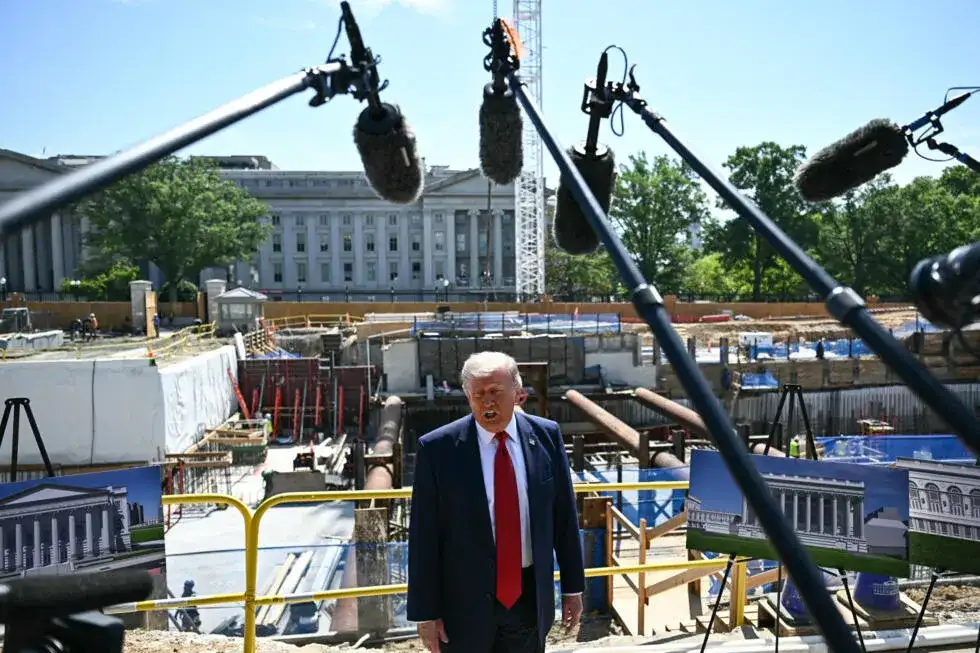
Trump has publicly condemned the vote, labeling it "unpatriotic." His administration has dismissed the merits of the congressional action. Four Republican representatives – Thomas Massie, Brian Fitzpatrick, Tom Barrett, and Warren Davidson – joined Democrats in supporting the resolution, drawing Trump's sharp criticism.
Read More: Taiwan Holds Nantou County Drills to Prepare for State Collapse
Domestic Political Crosscurrents
The economic ramifications of the Iran conflict, particularly accelerating inflation, are reportedly creating unease among Republicans. They are said to be struggling to defend Trump's policies as constituents voice concerns about the rising cost of living. This apprehension is amplified by Trump's approval ratings, which have reportedly hit a low, fueling Republican fears of losing control of Congress in the upcoming November legislative elections. Signs of dissent within the party are emerging as the mid-term elections draw nearer.
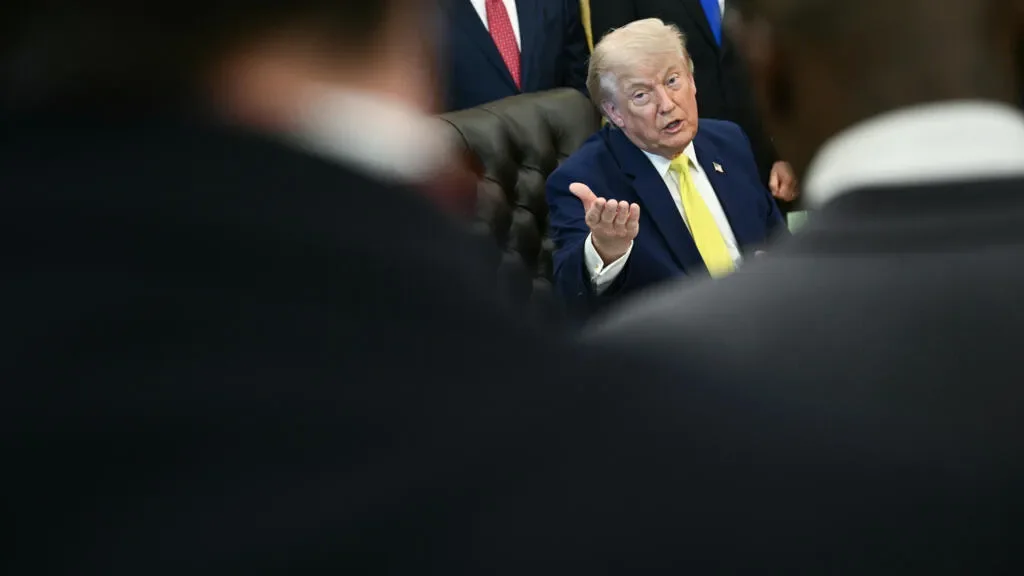
Meanwhile, the Senate approved a nearly $70 billion budget on Friday, June 5, 2026, focused on immigration control. This approval occurred despite controversies surrounding the practices of immigration and border enforcement agencies. Republicans are reportedly concerned that the President appears disconnected from everyday realities.
Read More: AFP Reviews War Crime Claims Against Australian in Gaza
Shifting Declarations on the Conflict
In the midst of these internal debates, Trump has also made pronouncements regarding the potential resumption of hostilities. He has stated that the killing of U.S. troops would lead to a swift restart of the war, implying a defined "red line" concerning Iran. The White House has asserted that an agreement with Iran would not proceed if Trump's specified "red lines" are not met. Reports from earlier in June also indicated that Trump affirmed Iran's commitment not to pursue nuclear weapons.

However, events on the ground have seen continued military engagement. On May 26, 2026, the United States conducted strikes against Iran, even amidst reports of a ceasefire and ongoing peace negotiations. This action followed Israeli affirmations to intensify operations in Lebanon to "crush" Hezbollah.
Background on the Iran Conflict
The conflict with Iran has been a focal point of international news, with frequent updates on negotiations, military actions, and their global impact. Reports from May and early June detailed efforts toward potential agreements, including discussions about the Strait of Hormuz, nuclear programs, and the potential release of Iranian assets.
Read More: FBI Analysts Review Georgia 2020 Election Data in Fulton County
The complexities of the situation are underscored by varying reports, including Iran's assertion of having "rebuilt" its forces during a truce and threatening the United States, and Trump's own declarations about potentially meeting with Iran's Supreme Leader. The broader regional context involves other actors, including Hezbollah and Israeli forces, with ongoing reports of localized engagements and diplomatic maneuvering.
This intricate situation has also spilled into domestic political discourse, with legislative bodies grappling with budgetary allocations and oversight of presidential war powers. The economic consequences, such as inflation and the cost of military operations, remain a significant point of contention.