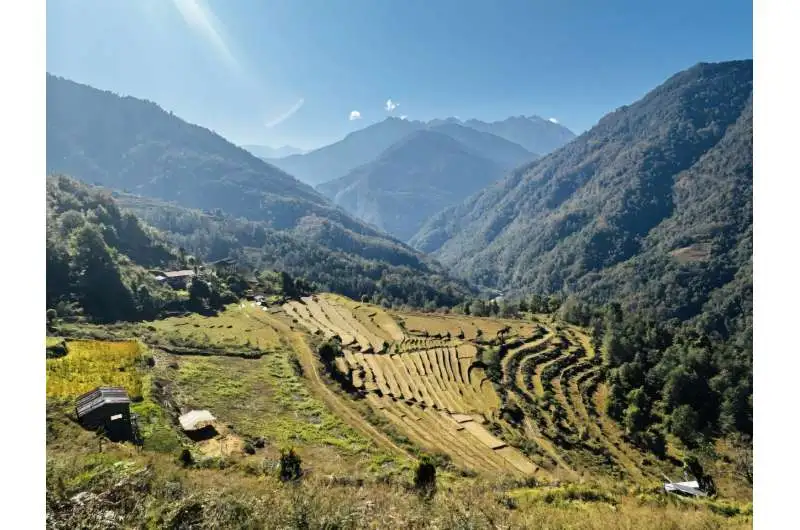
Bhutan's countryside is shrinking. Reports indicate a notable trend of people leaving rural areas, a phenomenon intensifying due to the increasingly erratic nature of climate and its direct impact on livelihoods. This migration, particularly an international component, represents a significant recent shift. Researchers have observed firsthand the unpredictability of weather patterns and a dwindling agricultural workforce. The situation is framed by Kinley Dorji, a Ph.D. student at the Royal University of Bhutan and affiliated researcher at the University of Exeter, who stated that Bhutan faces "two profound existential threats—climate change and demographic change due to people leaving rural areas, or leaving the country entirely."
Mounting Pressures on Agriculture and Livelihoods
Climate hazards in Bhutan manifest in concrete ways, triggering events like extreme flooding and landslides. Beyond immediate disasters, climate-driven changes such as erratic rainfall and an increase in crop-pest infestations are making traditional farming and other rural jobs more challenging. This directly accelerates the exodus from rural communities.
Read More: World Bee Day 20 May 2026: Why wild bee populations are declining
Crop instability: Variable rainfall, temperature shifts, and increased pest pressures lead to potential crop yield instability, loss of production, and diminished quality.
Water scarcity: Decreased water availability impacts crop production, and the risk of extinction for traditional crop varieties grows.
Soil degradation: Erosion of topsoil and runoff, coupled with flash floods, result in a loss of fertile fields and soil nutrients.
Extreme weather damage: Hailstorms can damage flowers and fruit, while unanticipated heavy rains and hailstorms deteriorate produce quality. Delayed sowing due to late rainfall, and damage from early or late spring frosts, further disrupt planting cycles.
Pest and disease outbreaks: New pests and diseases are appearing in fields and storage where they were previously unknown.
Land Use Shifts and Forest Regeneration
The changing agricultural practices, driven in part by outmigration and land abandonment, are also influencing land use patterns. Analysis over a 25-year period reveals an increase in forest and shrubland areas. This shift, while reflecting abandonment, also presents potential opportunities. Incorporating these regenerating forests into community management could generate significant carbon revenue.
Migration as Adaptation
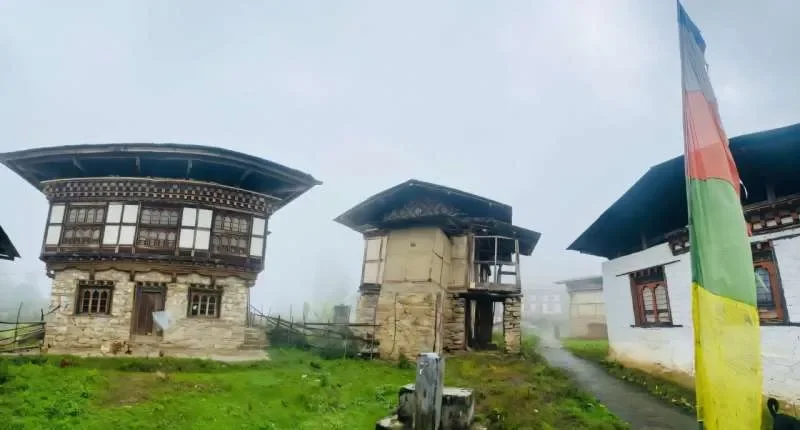
For some, leaving rural areas has become an adaptation strategy. The stories of individuals illustrate this duality, where migration offers improved economic standing and strengthens family resilience against climate challenges. This underscores that climate change is a significant, increasingly potent factor shaping these migration decisions.
Broader Economic and Vulnerability Picture
Bhutan is already grappling with substantial climate-induced economic losses, with projections indicating these will grow as climate change intensifies. This situation highlights an urgent need to mobilize resources to bolster Bhutan's capacity in preventing, minimizing, and responding to climate-related loss and damage.
Read More: AI Maps UK Wilds for Fewer Hedgehogs
Beyond agricultural impacts, Bhutan's vulnerabilities include loss of life from frequent flash floods and landslides. The warming climate is also facilitating the spread of vector-borne tropical diseases into higher elevations, and reduced water availability is increasing waterborne illnesses.
Official Responses and Initiatives
Efforts to address these challenges include adaptation projects focusing on disaster management, weather forecasting, landslide and flood prevention, and community-based forest fire management. However, the current number of adaptation projects appears limited. Initiatives are exploring policy changes to address outmigration, land use, and agricultural support, including concepts like a fallow land bank and youth-focused programs.
Background
Bhutan, a Himalayan nation, has long prioritized environmental conservation, enshrined in its constitution. Its development philosophy, Gross National Happiness, often emphasizes environmental protection alongside economic and social progress. However, the escalating impacts of global climate change present a profound challenge to these deeply held values and national development goals, forcing a re-evaluation of rural sustainability and migration patterns.
Read More: Forest Gaps Help New Oak Trees Grow Better, Study Says