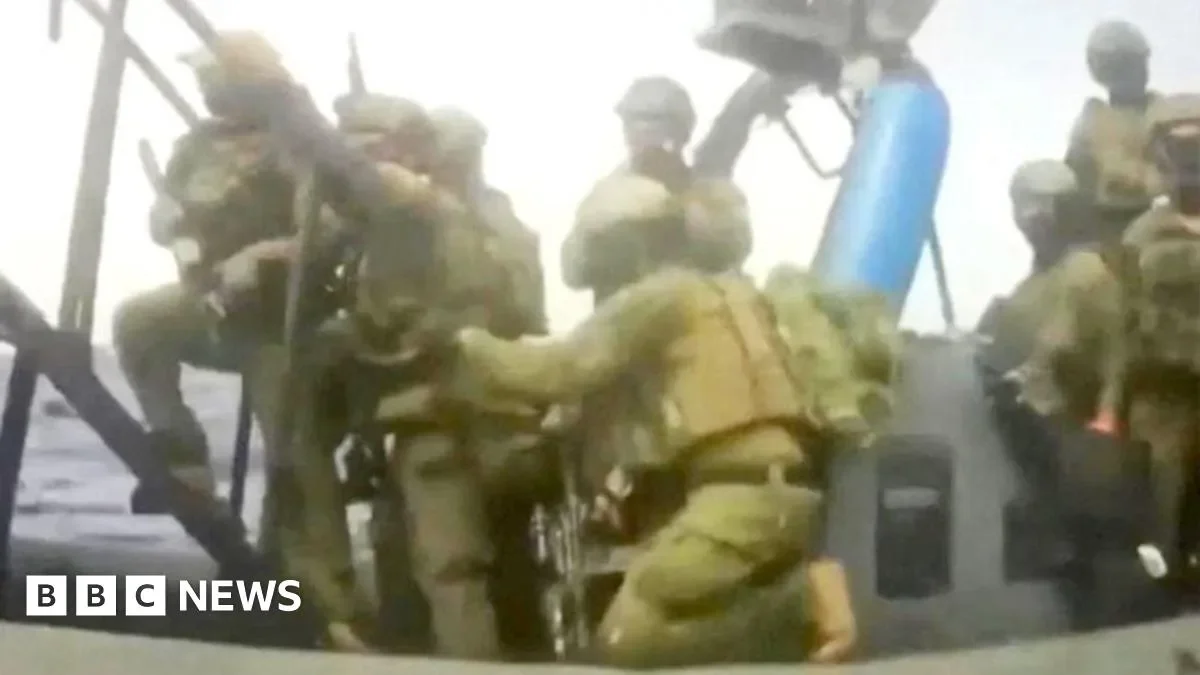
Israeli naval forces intercepted a flotilla of over 50 boats in international waters west of Cyprus on May 18, 2026, aimed at breaching the maritime blockade of the Gaza Strip. Live video feeds from the Global Sumud Flotilla documented armed commandos boarding at least one sailboat while passengers stood with raised hands. Israeli authorities confirmed the operation is ongoing, with organizers expecting the vessels and activists—including approximately 40 Turkish nationals—to be escorted to the port of Ashdod.
| Operation Detail | Status |
|---|---|
| Location | International waters, west of Cyprus |
| Fleet Size | 50+ vessels |
| Action | Boarding and redirection to Ashdod |
| Claims | Activists allege illegal interference; Israel cites security protocols |
Tactical Response and Divergent Framing
The Israeli Navy initiated the interception following a departure from the Turkish coast last week. While the flotilla organizers describe their mission as a necessary effort to open a humanitarian corridor and end the blockade, the Israeli government views the transit as a security provocation.

Communication Gaps: Cypriot President Nikos Christodoulides reported that Israel did not coordinate the interception with Cypriot authorities, highlighting a lack of diplomatic signaling in the operation.
Previous Intersections: This is the second such confrontation in less than a month. On April 30, forces stopped 22 vessels near Crete, detaining 175 activists.
Detention and Deportation: During the April incident, two participants were held in Israel before being deported, sparking conflicting reports of alleged abuse during custody, which Israeli officials have denied.
Historical Context
The current tension draws unavoidable comparisons to past maritime friction in the Mediterranean. Israel has officially designated specific organizations involved, including the IHH Humanitarian Relief Foundation, as groups linked to prohibited activity.
Read More: Iran Zagros Mountain Nuclear Site Construction Update April 2026
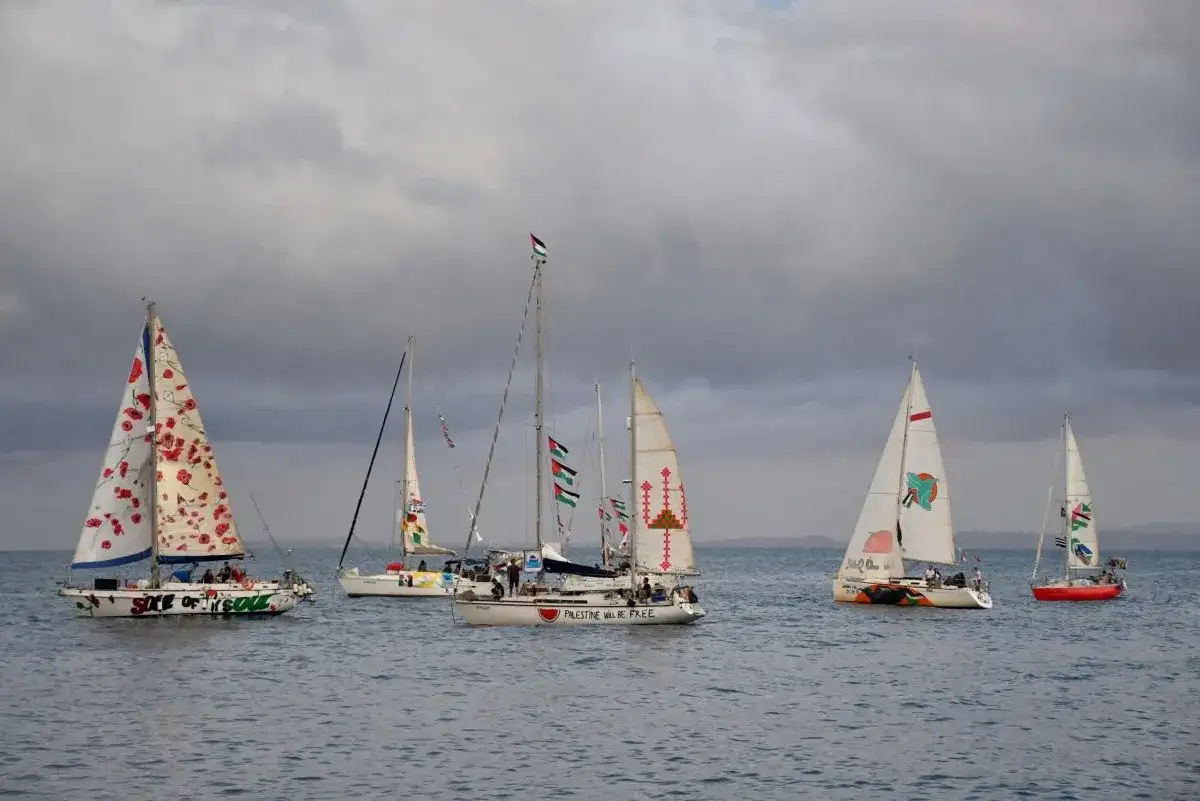
Observers recall the 2010 boarding of the Mavi Marmara, where a violent clash resulted in the deaths of 10 Turkish activists. Today's operation follows that same historical fracture line, where maritime law, national security directives, and civil activism intersect. Activist groups continue to label the Israeli blockade as an illegal siege, while the state maintains that its naval control remains essential to prevent material transit into the territory.
"Governments must act now to stop these acts… meant to maintain Israel’s siege on Gaza." — Flotilla Organizers
"Organizers failed to get desired publicity." — Benjamin Netanyahu