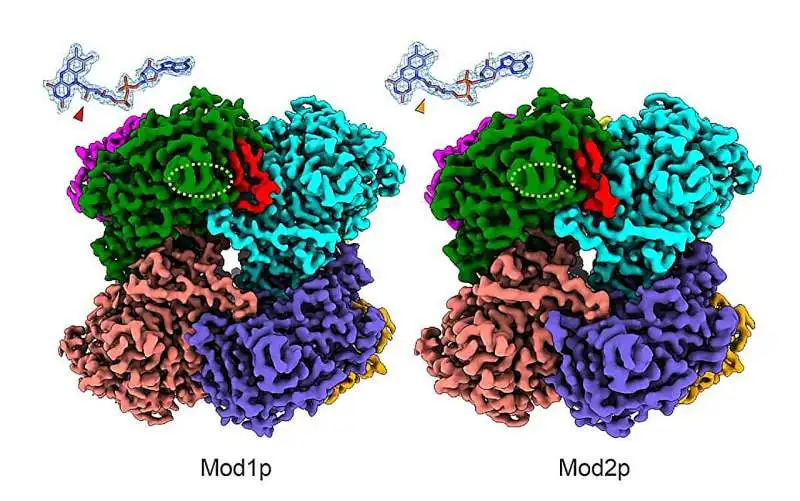
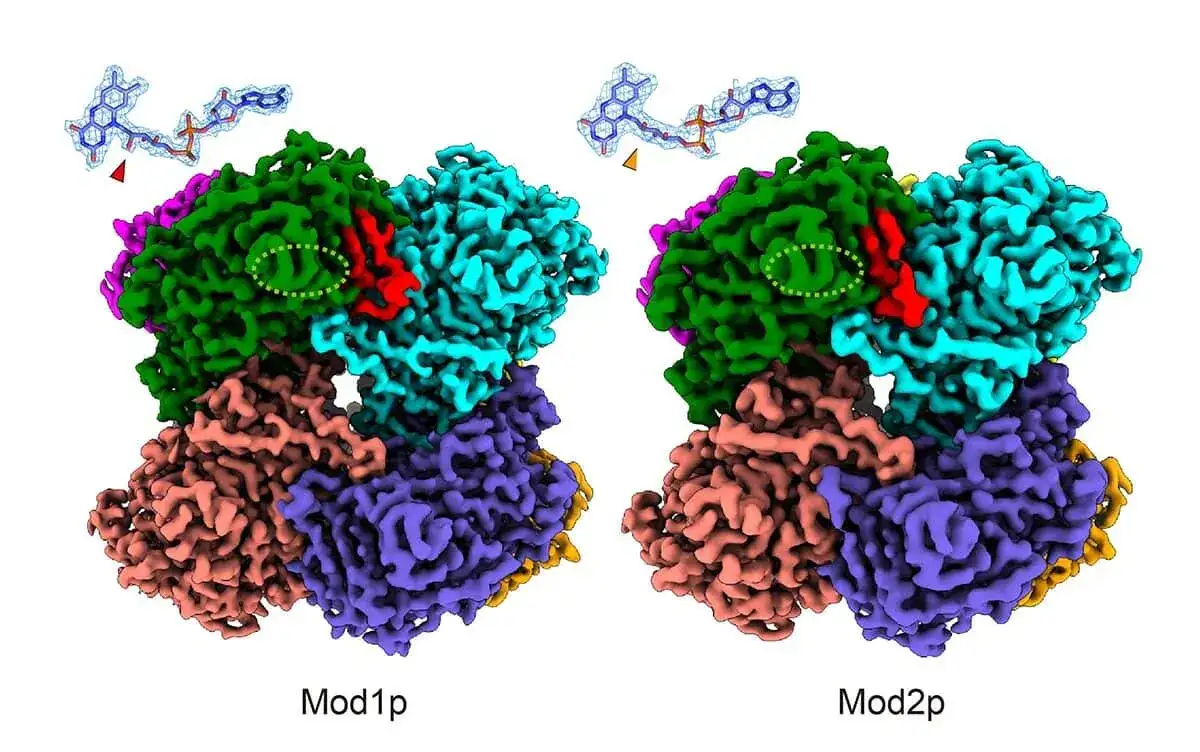
Researchers at the University of Tsukuba have utilized cryo-electron microscopy (cryo-EM) to identify why alcohol oxidase (AOD) isozymes—different versions of the same enzyme—behave differently within the yeast Ogataea methanolica. The findings suggest that these enzymes, despite appearing nearly identical in overall shape, utilize subtle, distinct structural arrangements to manage methanol assimilation under changing environmental pressures.
| Feature | Insight |
|---|---|
| Methodology | Cryo-EM imaging (surpassing X-ray crystallography constraints) |
| Primary Target | Ogataea methanolica AOD isozymes |
| Key Discovery | Functional diversity stems from specific structural determinants rather than simple atomic shifts |
The study, led by Professor TANI Kazutoshi, Professor NAKAGAWA Tomoyuki, and Group Director YONEKURA Koji, offers a look into how microorganisms regulate chemical energy. The data indicates that:
Microorganisms adapt to diverse alcohol sources by maintaining a variety of AOD isozymes.
The structural architecture dictates the enzyme's ability to maintain cofactor variation and regulate enzymatic activity.
Cryo-EM provides a higher-fidelity resolution than previous imaging methods, capturing the protein in more complex configurations.
Background: The Push for Carbon Neutrality
The interest in Ogataea methanolica stems from its high efficiency in processing methanol, a capacity increasingly scrutinized as industries seek pathways for carbon-neutral transitions. Because enzymes serve as the biological machinery for these metabolic processes, defining their structural limits is essential for any attempt to replicate or optimize them for synthetic biotechnology.
Read More: Indigenous Data Rights Now Key in Conservation Genomics
"Understanding how microorganisms metabolize methanol with high efficiency has become increasingly critical." — Extracted from University of Tsukuba Research Briefs.
Previous structural studies of peroxisomal enzymes were often limited by the crystallization process required for X-ray analysis. The transition to cryo-EM allows researchers to observe these protein complexes in states that more closely mirror their native biological environment, exposing how the quaternary structure influences the enzyme’s adaptability. By mapping these physical variations, the team aims to provide a clearer blueprint for how yeast shifts its metabolic output based on its surroundings.