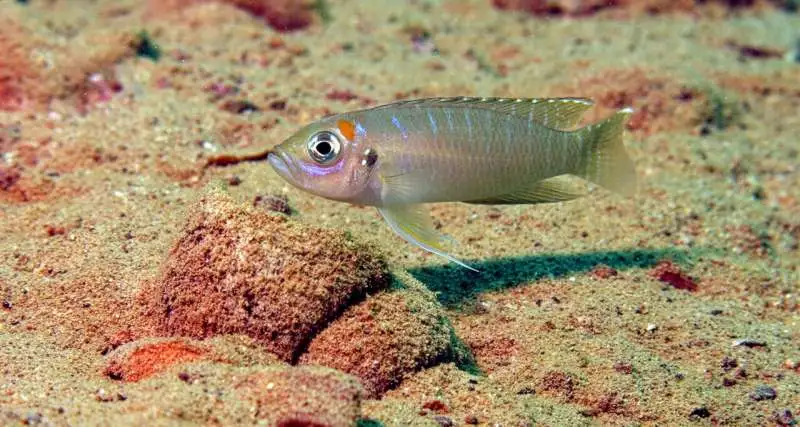
Recent genomic analysis published in Nature establishes that the evolutionary adaptation of cichlid fishes extends beyond external anatomy. While long-term biological study has focused on jaw and beak specialization, new data indicates that dietary intake functions as a primary architect for the internal intestinal tissue composition and cellular genetic programming.
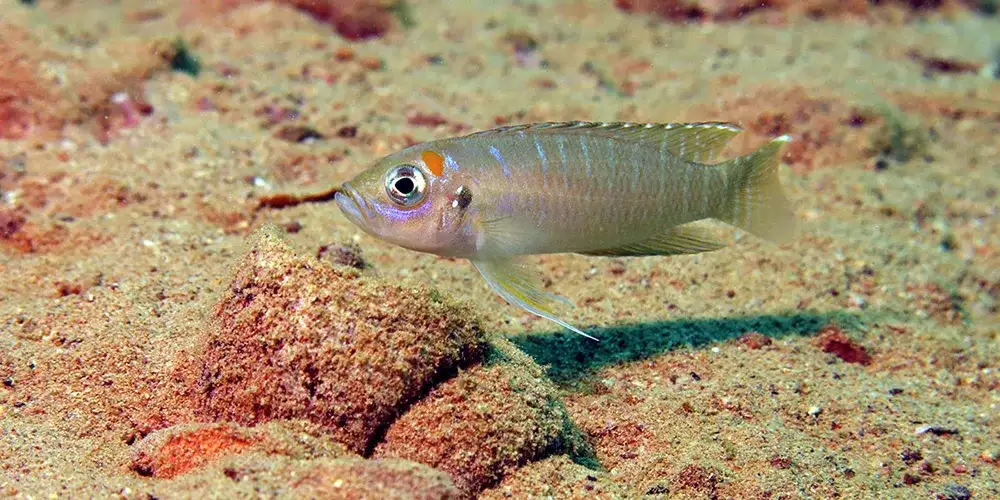
Dietary pressure directly dictates the functional architecture of intestinal cells, rather than merely relying on broad genetic mutation trends.
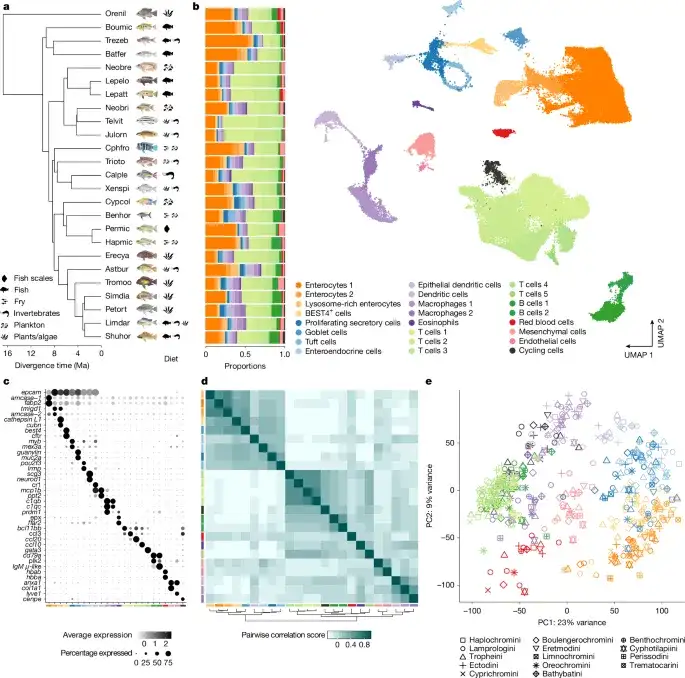
Researchers utilized single-cell sequencing to map the intestinal cells of 24 distinct cichlid species from Lake Tanganyika.
The study cross-referenced gene expression signatures with specific ecological niches, including algae-eaters, plankton-feeders, and specialized scale-eating predators.
Findings confirm that the internal cellular landscape is a reflection of dietary specialization, creating a link between environmental pressure and cellular evolution.
Comparative Adaptations
The divergence in intestinal cellular structures illustrates how localized environments necessitate biological precision:
| Dietary Niche | Observed Cellular Strategy |
|---|---|
| Algae/Plankton | Specialized absorption pathways for plant matter. |
| Scale-Eaters | Distinctive genetic programs for protein breakdown. |
| Generalist Predators | Flexible gut cell gene expression. |
Evolutionary Context
For decades, evolutionary biology prioritized the study of outward phenotypic traits—the "how" of food procurement—such as jaw mechanics. This study, led by researchers at the University of Basel, shifts the investigative focus to the "how" of energy assimilation.
By employing advanced bioinformatics to reconstruct the spatial organization of gene expression within the gut, the team has provided a roadmap for understanding how environmental factors sculpt biology. This serves as a pivot point for developmental biology, demonstrating that the digestive tract is not a static organ, but a highly plastic system capable of rapid, specialized adaptation to accommodate the nutrient profile of a species' niche. These molecular insights reinforce the necessity of viewing the animal not as a sum of inherited traits, but as a dynamic response to external, environmental consumption.
Read More: Indigenous Data Rights Now Key in Conservation Genomics