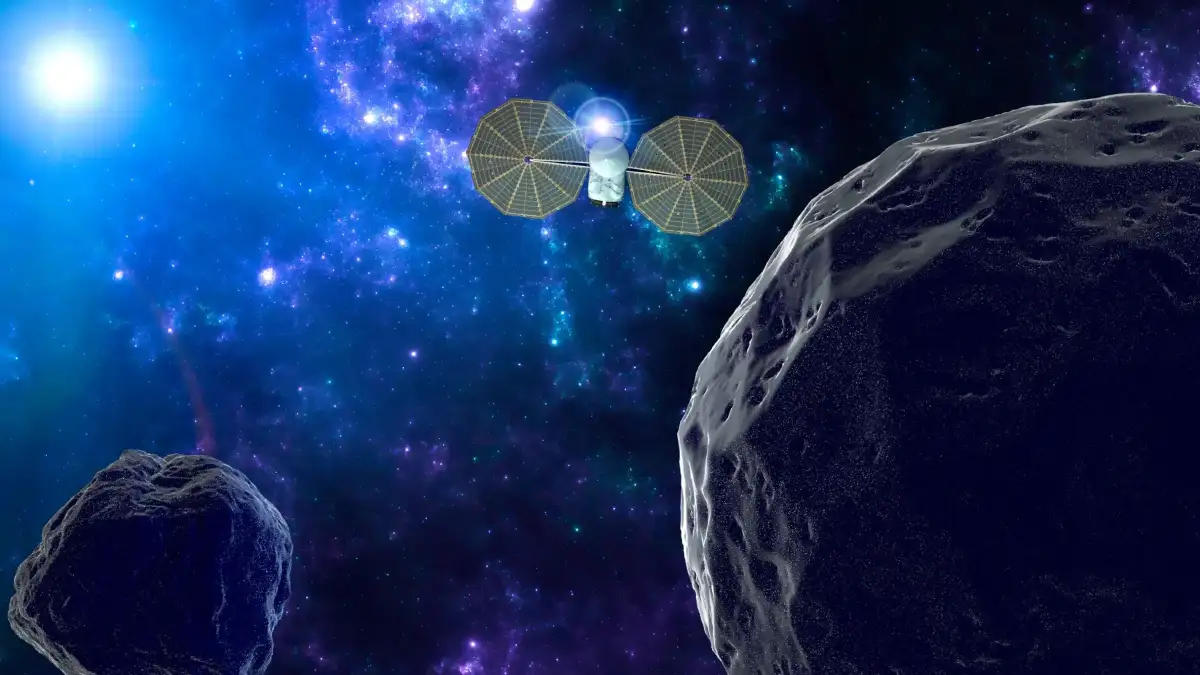
Research led by Mark Boslough at the University of New Mexico highlights a critical vulnerability in current planetary defense efforts: the systemic collapse of accurate communication regarding near-Earth objects. The study confirms that public trust is being hollowed out by the intersection of sensationalist media cycles and an uncritical reliance on improperly vetted scientific publications.

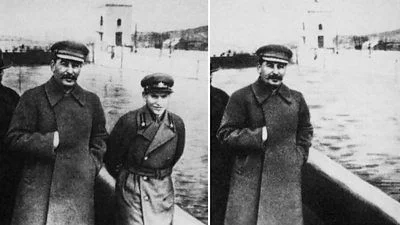
Misinformation is no longer an isolated event; it is a multi-layered infrastructure consisting of rapid-response distortion, unvetted intermediate reports, and long-term myths that permeate even academic circles.

| Layer of Deception | Mechanism of Spread | Impact |
|---|---|---|
| Rapid Response | Urgent, poorly verified news updates | Panic / Overreaction |
| Intermediate | Unreviewed scientific promotions | Institutional erosion |
| Long-Term | Self-perpetuating, insular myths | Deep-seated public apathy |
The Erosion of Information Infrastructure
The collapse of gatekeeping functions on major digital platforms—specifically the withdrawal of dedicated fact-checking teams at firms like Meta and X—has removed the basic safeguards required for civil discourse. As these defensive structures decay, the speed and scale at which bad actors can inject artificial noise into the scientific stream have surged.
Read More: Indigenous Data Rights Now Key in Conservation Genomics

Current research initiatives, such as those coordinated by the CNRS, are now forced to treat this not as a content problem, but as a structural threat to the democratic and scientific process.

Scientific Literacy: Experts argue that "improving literacy" is insufficient if the platforms hosting the discourse prioritize polarization over accuracy.
Coordination: There is a recognized need for closer ties between legitimate scientific bodies and media outlets to bypass the incentives that drive "fake news" engagement.
Tools for Defense: Scientists are currently attempting to map how manipulated data promotes bias, specifically tracking the algorithmic push toward radicalization.
Background: A Pattern of Fragility
The crisis in planetary defense is a microcosm of a broader phenomenon. Research into Climate Misinformation and the proliferation of Deepfakes suggest that the current information environment is functionally hostile to complex, risk-based science.
When legitimate scientific institutions are slow to respond to ambiguous threats, they create a power vacuum. This void is routinely filled by self-promoting, uncritical voices that thrive on the uncertainty of long-term events like asteroid impact risks. The data from Boslough suggests that the path toward mitigation requires not just more communication, but a complete reorganization of how scientific findings enter the public record, moving away from reactionary reporting toward a proactive, verifiable model of engagement.
Read More: US Space Force Victus Haze Mission Successfully Tests Orbital Intercepts