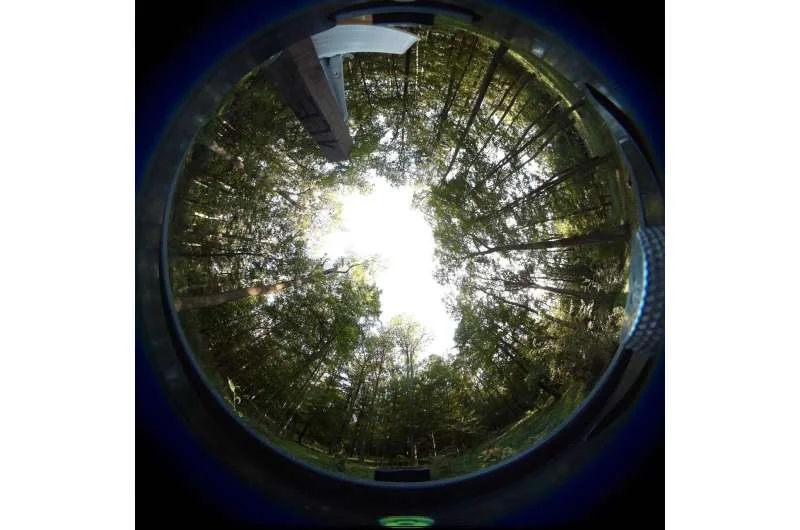
Researchers suggest that long, thin openings in forest canopies might be the key to re-establishing oak forests, a departure from previous notions favoring wider, circular clearings. The findings point towards a method that could allow for oak forest regrowth while keeping a substantial tree cover intact, reducing the need for strenuous upkeep.
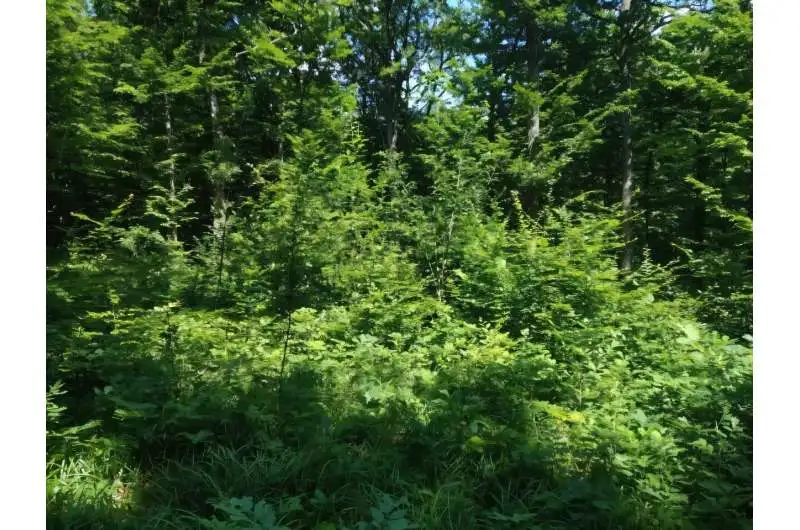
The study proposes that elongated canopy gaps offer a more practical balance, providing necessary environmental conditions for young oak trees to sprout and thrive, while simultaneously demanding less labor-intensive management. This approach allows for the natural spread of acorns from surrounding mature trees into these gaps over several years, fostering a continuous establishment of new seedlings.
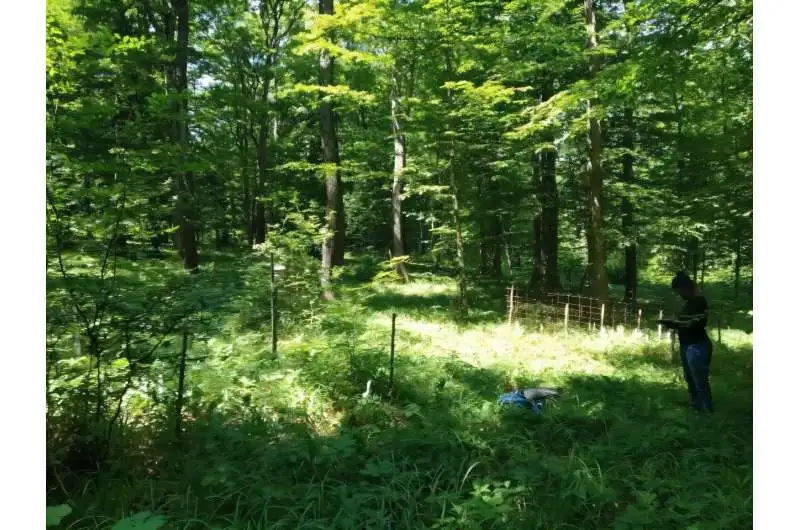
Initially, larger, circular openings appeared to offer the most beneficial conditions for oak saplings, characterized by abundant light and moist soil, leading to quicker growth. However, the nuanced dynamics observed in the experiment revealed that these benefits came with significant drawbacks, primarily the overwhelming competition from other plants, which necessitated extensive efforts to control.
Read More: EPA May Remove Water Limits for 'Forever Chemicals'
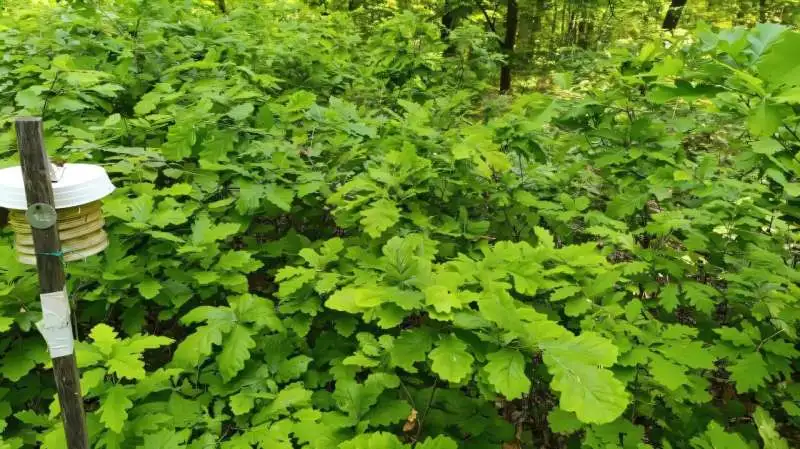
The research indicates that "elongated canopy gaps may provide a better compromise between suitable environmental conditions for oak seedlings and the amount of maintenance work required."
The Shape of Things to Come
The investigation, spurred by the challenges of oak regeneration, explored various canopy gap designs. The results suggest that while large circular gaps offered immediate advantages in terms of light and soil moisture, leading to faster growth for managed saplings, they also required significant intervention to curb competing vegetation.
Elongated gaps, particularly those that are smaller, appear to offer an additional benefit: they facilitate the dispersal of acorns from nearby mature oaks. This natural seeding process can sustain the establishment of new oak trees over extended periods.
Adaptive Approaches for a Changing Landscape
The study also highlights that these small, elongated gaps might require flexible management strategies. This implies a move towards more adaptive, long-term planning for forest renewal, recognizing the complex interplay between the physical structure of the forest and the processes of regeneration. Such dynamic interventions could represent a more sophisticated understanding of ecological restoration.
Read More: New Study: Bad Info Threatens Space Rock Defense
Background: Oak forests, vital ecosystems facing various pressures, have long been a subject of ecological study concerning their natural regeneration. Traditional methods often involved clearing larger areas, a practice now being re-evaluated in light of efficiency and ecological impact. This recent research delves into the spatial characteristics of canopy openings as a critical factor influencing the success of new oak growth.