Amazonian Spider Adopts Fungus's Disguise; Global Fungal Spread Amplified by Climate Concerns
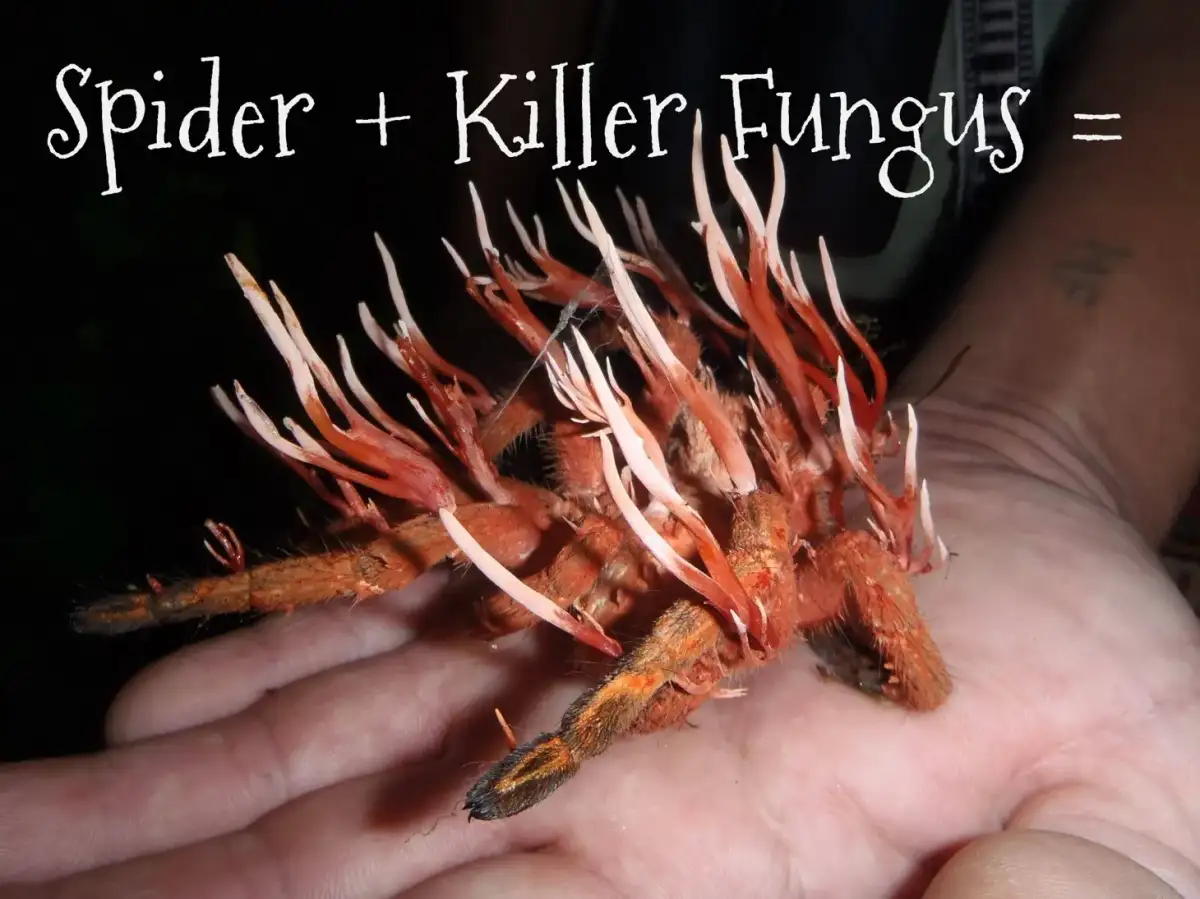
Deep within the Amazon, a spider, identified as Taczanowskia waska, has developed a startling evolutionary tactic: it mimics a parasitic fungus. This peculiar adaptation involves the spider appearing to wear the fungus like a costume, a survival strategy that may serve to both attract prey and evade predators. Scientists estimate that tens of thousands of spider species remain undiscovered globally, hinting at a vast, unexplored frontier of natural phenomena. This discovery comes amid growing concerns over the accelerating spread of dangerous fungi worldwide, a phenomenon directly linked to changing global temperatures and climate shifts.

The implications extend beyond the rainforest. Fungi, once confined to specific ecological niches, are now encroaching on new territories, posing a tangible threat not only to human health but also to global agriculture and livestock. In regions like the UK, rising temperatures are anticipated to facilitate the expansion of genera like Aspergillus, fungi responsible for serious infections, into areas previously unaffected. This global migration of fungal pathogens underscores a persistent, if often understated, ecological transformation.
Read More: Why bird songs stop different species from mating as of April 2026

Beyond the Amazon: Zombifying Parasites and the Unstoppable Spread
The Amazonian spider's mimicry is not an isolated incident of nature imitating unsettling narratives. Similar parasitic mechanisms, known for controlling host behavior, have been observed in other species. Tapeworms, for instance, have been documented manipulating ants, inducing convulsions and altering motor functions. These infected ants, exhibiting altered behavior and physical traits, emit chemical signals that prompt other ants to treat them as revered figures. This manipulation serves the parasite's lifecycle, increasing the likelihood that the altered ant will be preyed upon by a specific bird species, thereby facilitating the tapeworm's transmission.
Meanwhile, the broader concern regarding fungal proliferation continues to mount. Scientists warn that these fungi are not only impacting wildlife but are actively endangering crops and livestock. The accelerating spread of dangerous fungi, driven by climate change, is painting a stark picture of future food security challenges. The adaptability and resilience of these organisms in the face of environmental shifts present a complex and ongoing scientific puzzle.
Read More: Indigenous Data Rights Now Key in Conservation Genomics
The Fungal Threat: Real-World Parallels to Fictional Nightmares
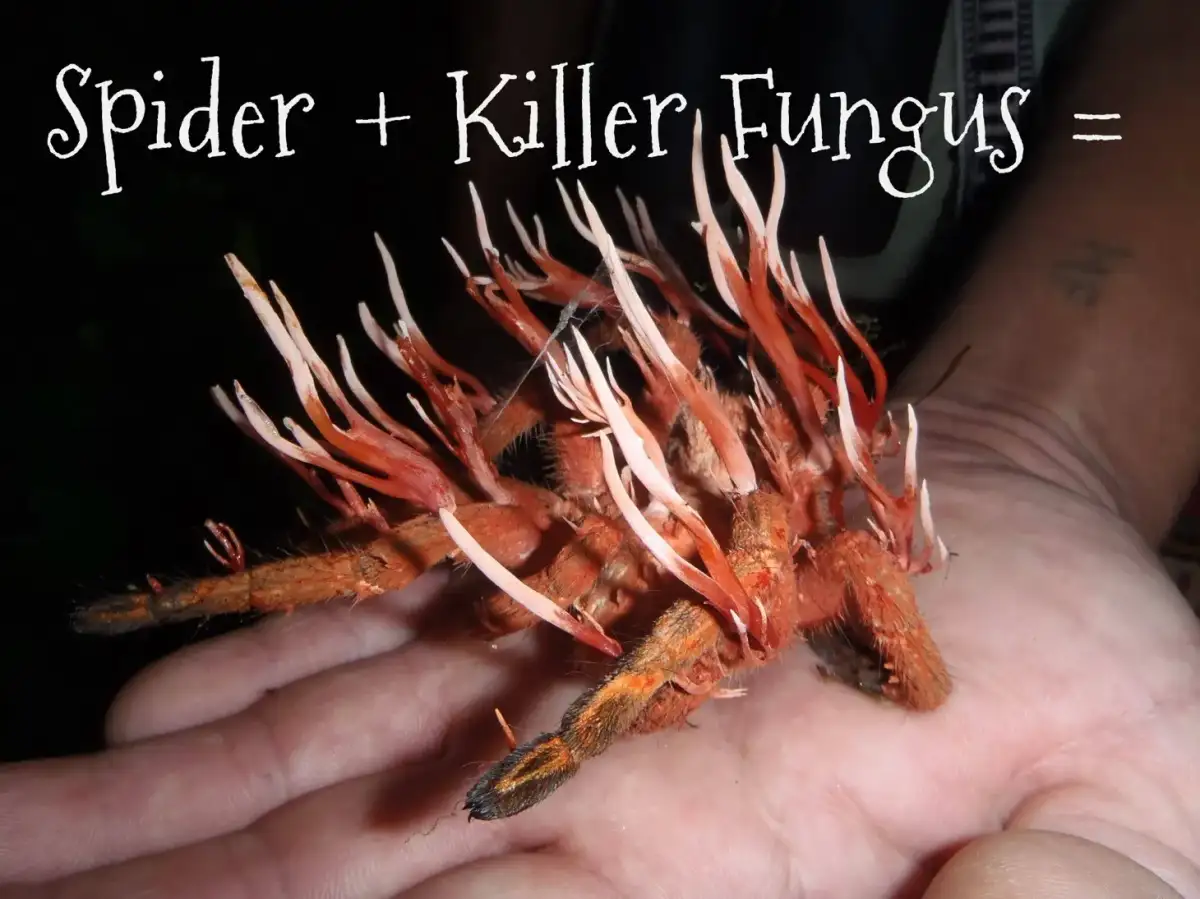
The fictional scenarios depicted in popular media, particularly the narrative surrounding the "Last of Us," draw heavily from real biological phenomena. The parasitic fungus Cordyceps (and related genera like Gibellula), which infects insects and manipulates their behavior to facilitate spore dispersal, is a well-documented reality. These entomopathogenic fungi, while highly specific in their hosts, have inspired widespread fascination and concern.
However, experts consistently emphasize a critical distinction: these fungi, including those capable of "zombifying" insects like ants and spiders, currently pose no direct threat to humans. The evolutionary leap required for such fungi to adapt to human physiology is immense, potentially requiring millions of years of adaptation and significant climatic pressures. While some pathogenic fungi can cause serious infections, particularly in immunocompromised individuals, the scenario of a global human pandemic driven by these specific "zombie" fungi remains firmly in the realm of fiction, according to mycological experts.
Read More: Bengaluru Photo Contest Adds 'Urban Wildlife' Category for 2026
Background: Nature's Complex Strategies and Human Perceptions
The fascination with "zombie" fungi, amplified by popular culture, highlights humanity's complex relationship with the natural world. The discovery of the Taczanowskia waska spider, mimicking a fungus for survival, adds another layer to this intrigue. It demonstrates nature's capacity for elaborate and sometimes eerie evolutionary strategies.
While scientists acknowledge the growing threat of fungal infections, particularly in the context of climate change and its impact on fungal distribution, they generally counsel against alarmism regarding a "Last of Us"-style apocalypse. The focus remains on understanding fungal evolution, managing existing health risks, and addressing the environmental factors that facilitate their spread. The perceived threat, often shaped by fictional narratives, frequently overshadows the more immediate and tangible ecological and health challenges posed by fungi.