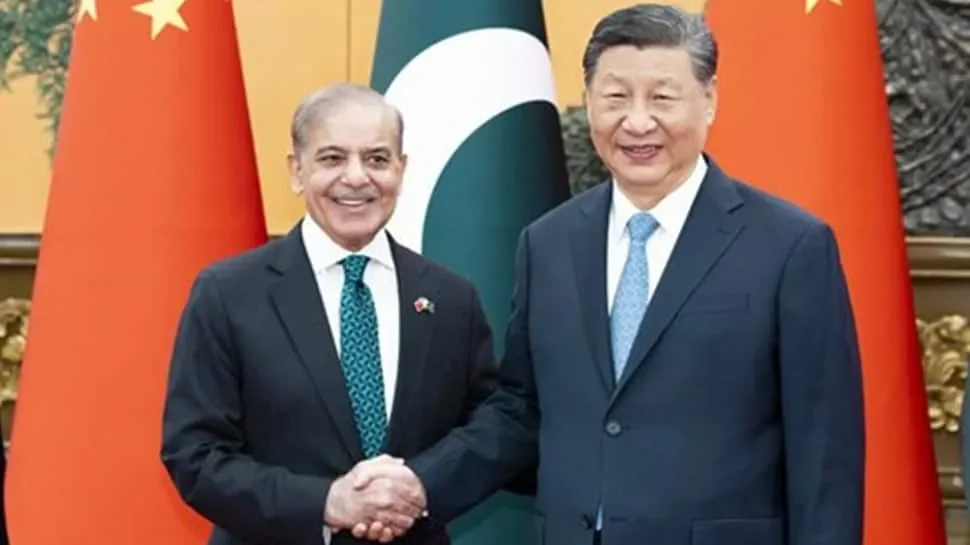
Leaked defense records suggest a significant diplomatic rift between China and Pakistan, centering on Islamabad's overtures for a sea-based nuclear second-strike capability. Reports indicate that Pakistani negotiators, led by figures including Asim Munir, presented demands for this advanced nuclear capacity to Beijing in exchange for expanded Chinese access to the strategic Gwadar port. China, however, has reportedly refused to cross this nuclear threshold, citing concerns over regional proliferation and the inherent risks involved.
The Pakistani request, which specifically sought submarine-launched nuclear weapons – a hallmark of a robust second-strike posture – aimed to bolster its deterrent against India. Such a capability would grant Pakistan the assurance of retaliatory nuclear strikes even if its land-based systems were neutralized in a first attack. This represents a substantial escalation from Pakistan's current nuclear arsenal, which primarily relies on land-based ballistic missiles and tactical nuclear weapons.
Read More: AFP Reviews War Crime Claims Against Australian in Gaza
Strategic Stalemate Amidst Broader Concerns
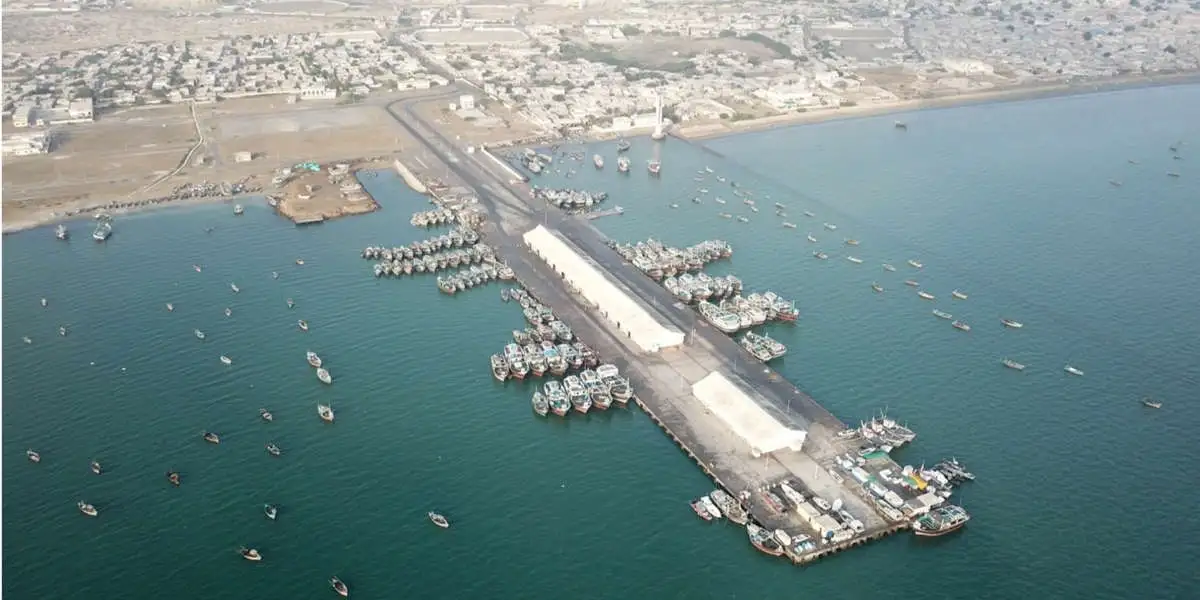
The standoff over the nuclear capability request appears intertwined with a broader negotiation deadlock concerning the future use of Gwadar port, a crucial component of the China-Pakistan Economic Corridor (CPEC). Pakistan's demands extended beyond nuclear arms, including explicit requests for comprehensive legal protection and indemnification from China against potential United States sanctions that could follow an increased Chinese military presence. Furthermore, Pakistan sought extensive modernization support for its armed forces and intelligence networks to counter India's evolving military might.

China's refusal to engage on the nuclear front signals a significant divergence in strategic priorities and risk assessment. While the two nations maintain a close alliance, Beijing appears unwilling to facilitate the transfer of nuclear weapons technology or material to Pakistan, a non-signatory to the Nuclear Non-Proliferation Treaty (NPT). Reports suggest Chinese officials perceived Pakistan's request for a second-strike capability as a move towards dangerous nuclear escalation in the region.
Read More: Ukraine gets 100 Patriot missiles with $1 billion EU loan for defense

Background: The Nature of Second-Strike Capability and Regional Dynamics
A sea-based nuclear second-strike capability is a complex and potent strategic asset, enabling a nation to absorb a first nuclear strike and still retaliate effectively. It is typically achieved through the deployment of nuclear-armed ballistic missile submarines (SSBNs), which are notoriously difficult to track and destroy. Currently, only a handful of nations, including the United States, Russia, China, France, the United Kingdom, and India, possess this capability.
The negotiations have also been complicated by Pakistan's internal financial instability and escalating security challenges, including attacks on Chinese nationals and projects within the country. These factors have made China increasingly cautious about deepening its strategic commitments, despite its substantial financial and defense support already provided to Islamabad. The dispute highlights the intricate geopolitical landscape and the delicate balance of power in South Asia, where nuclear deterrence remains a central, albeit precarious, element.
Read More: Indus Waters Treaty remains suspended in India and Pakistan April 2026