

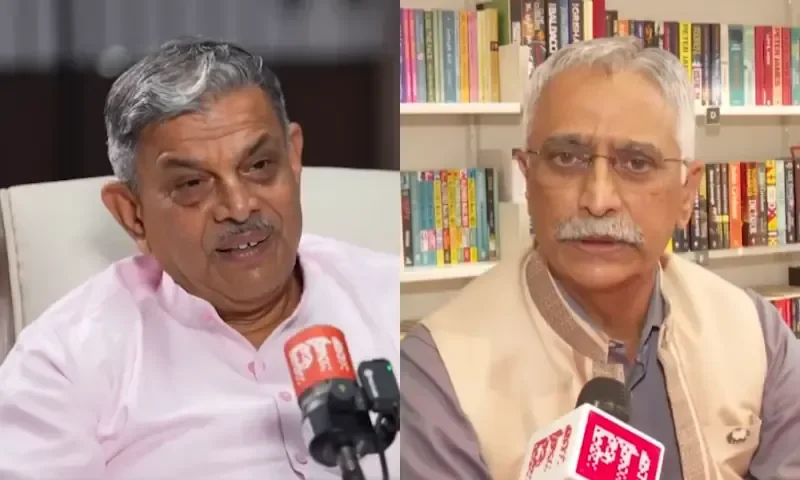
NEW DELHI/ISLAMABAD – A significant pronouncement from Dattatreya Hosabale, the second-highest ranking official in the Rashtriya Swayamsevak Sangh (RSS), advocating for continued dialogue with Pakistan, has ignited a political storm. Hosabale’s remarks, made in an interview with the Press Trust of India (PTI) on May 17th, suggest India should maintain diplomatic engagement, trade, and people-to-people contact with its neighbour. These statements have not gone unnoticed, prompting reactions from various quarters, including political figures in Jammu and Kashmir, former Indian military leaders, and opposition parties within India.
The core of Hosabale's assertion centers on the persistent need for engagement, framing diplomacy, trade, and cross-border interactions as essential "windows for engagement" that India should not close off. He specifically highlighted past outreach efforts, such as former Prime Minister Atal Bihari Vajpayee's visit to Lahore, as precedents for maintaining communication channels even amidst strained relations. Hosabale stressed that common people on both sides of the border share fundamental concerns like sustenance and daily life, and that fostering friendship among them can naturally improve broader bilateral relations.
Read More: NYC Mayor Mamdani Uses Reagan Words for City Store
Former Army Chief Lends Support
Echoing Hosabale’s sentiment, General (retired) Manoj Mukund Naravane, former Chief of Army Staff, has backed the call for an open dialogue. Naravane emphasized the significance of people-to-people contact as a mechanism for improving bilateral ties. His endorsement, coupled with Hosabale’s remarks, has lent considerable weight to the idea of sustained diplomatic engagement despite the current freeze in India-Pakistan relations. This stance contrasts with recent years where diplomatic interaction has been minimal, and trade ties have been restricted due to persistent political tensions and border incidents.
Political Fallout and Historical Context
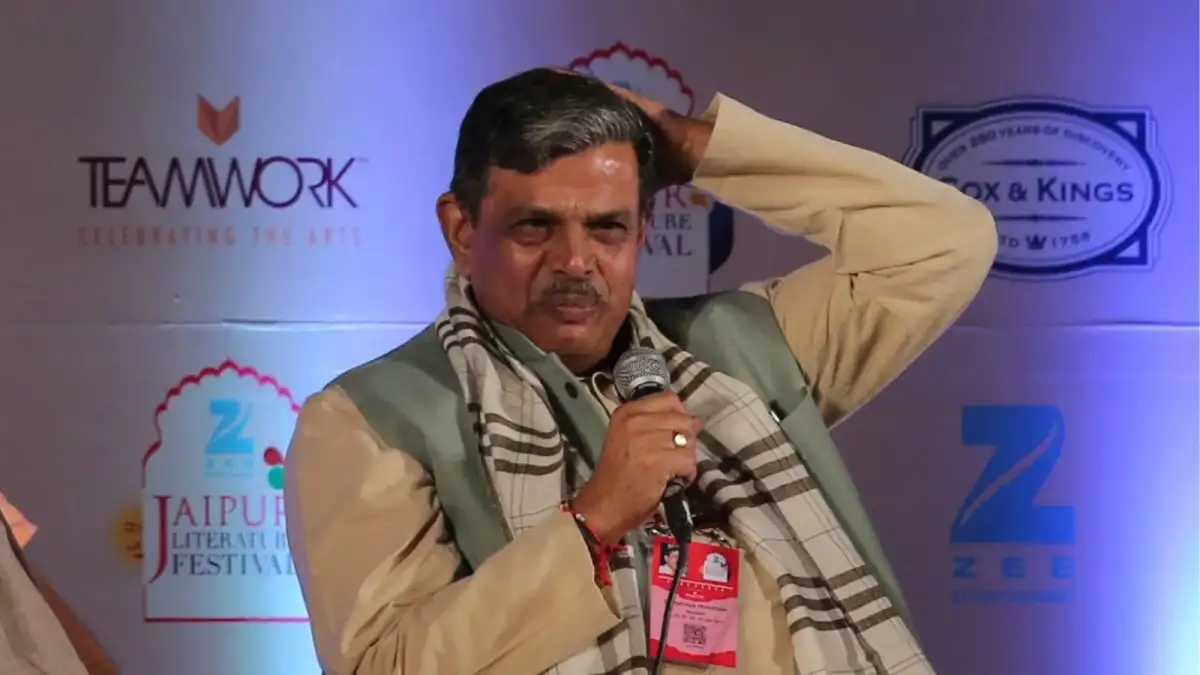
The RSS, often described as the ideological parent of the ruling Bharatiya Janata Party (BJP), has historically maintained a more hardline position on Pakistan, particularly concerning terrorism. Hosabale’s current advocacy for dialogue, however, is not an unprecedented shift for the organization. Over the years, the RSS has exhibited a fluctuating stance, sometimes pairing a firm position on terrorism with an openness to people-to-people engagement.
Read More: Pakistan Needs New Trade Plan Amid Global Changes
The statements have, however, drawn criticism from Indian opposition parties, notably the Indian National Congress (INC), which has accused the RSS of a perceived "love for Pakistan." The Congress has, in the past, pointed to the RSS’s alleged promotion of a divisive, majoritarian ideology, making their current critique of the organization’s stance on Pakistan noteworthy.
Meanwhile, in Pakistan, Hosabale’s remarks have been described as a "positive development," with suggestions to back 'track-two' channels for dialogue.
Background on RSS-Pakistan Relations
The RSS, a prominent Hindu nationalist organization, has historically played a significant role in shaping political discourse in India. Its ideological proximity to the BJP means its pronouncements often carry substantial political weight. For decades, India-Pakistan relations have been characterized by periods of intense hostility, punctuated by sporadic attempts at dialogue. These attempts have often been derailed by security concerns, border skirmishes, and political disagreements, leaving official diplomatic engagement limited.
Read More: House Delays Prediction Market Ban Amid Ethical Worries


