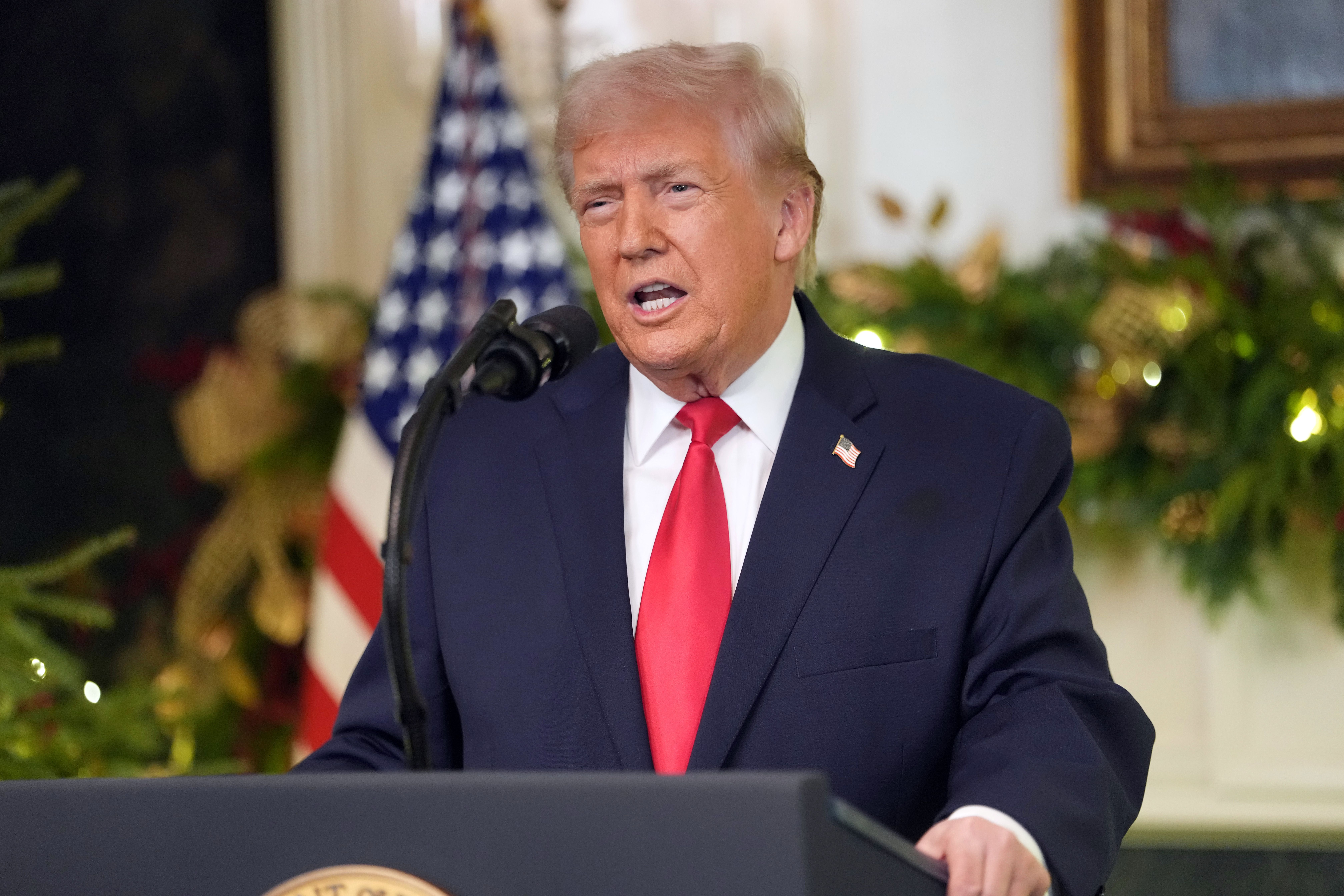
Taipei, May 18, 2026 – The island nation of Taiwan is asserting the critical role of American arms acquisitions as a linchpin for regional stability, a stance reiterated following pronouncements from President Donald Trump casting doubt on continued U.S. military backing. This underscores a persistent concern in Taipei, which is endeavoring to counter narratives suggesting U.S. policy towards the island might become a transactional element in broader geopolitical negotiations.
Taiwan's president articulated that the acquisition of weaponry from the United States constitutes "the most important deterrent" against conflict and instability in the region. This declaration came in the wake of statements where Trump reportedly characterized such arms purchases as a potential "bargaining chip." While acknowledging these concerns, the Taiwanese government has maintained that official U.S. policy regarding Taiwan remains unchanged.
Read More: AFP Reviews War Crime Claims Against Australian in Gaza
In response to the uncertainty, Taiwan has publicly affirmed its commitment to de-escalation, stating, "Taiwan will not provoke or escalate conflict, but it will also not relinquish its national sovereignty and dignity, or its democratic and free way of life, under pressure." Officials have pointed to China as the primary source of regional instability, attributing to Beijing attempts to alter the existing status quo.
A Multi-Billion Dollar Deal Hangs in the Balance
This dynamic unfolds against a backdrop of significant arms deals. Recently, the U.S. announced substantial military sales packages to Taiwan, with some reports detailing transactions valued at over $10 billion and others at $11 billion. These packages are understood to include a range of armaments such as rockets, howitzers, and suicide drones, aiming to bolster Taiwan's defensive capabilities against increasing pressure from Beijing.
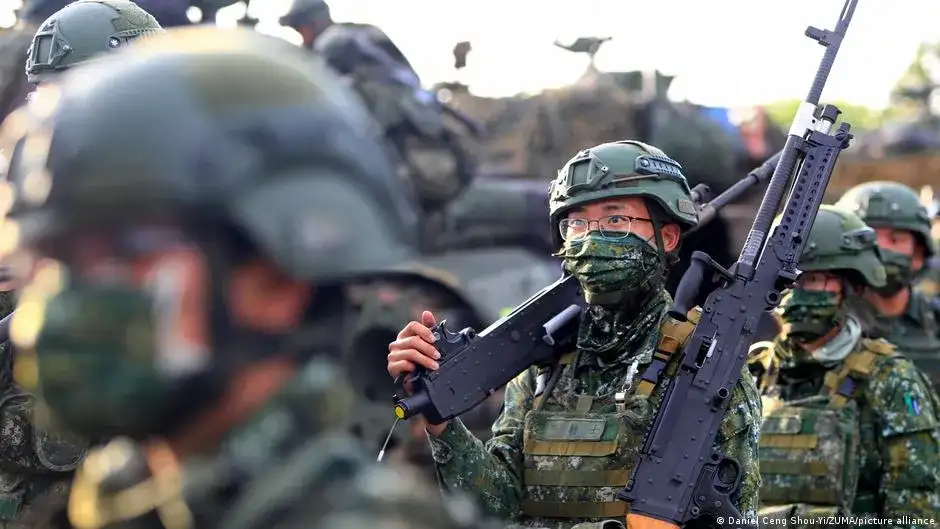
The U.S. Department of Defense, through its Defense Security Cooperation Agency, has managed these foreign military sales, which are still subject to congressional approval. However, there appears to be a broad bipartisan consensus in the U.S. Congress supporting Taiwan.
Read More: Ukraine gets 100 Patriot missiles with $1 billion EU loan for defense
Beijing's Firm Opposition
China has vocally condemned these arms sales, asserting that they violate diplomatic agreements between the U.S. and China. Beijing's Ministry of Foreign Affairs has stated that such actions "gravely harm China’s sovereignty, security and territorial integrity, and undermine regional stability." Analysts note that China's military operations around Taiwan, characterized by near-daily incursions by aircraft and ships and frequent large-scale exercises, have not abated, even during sensitive diplomatic periods.
Underlying Geopolitical Currents
The U.S. support for Taiwan is framed within the context of the 'Taiwan Relations Act (TRA)' and ongoing efforts to bolster its presence in the Indo-Pacific. While some concerns linger about the possibility of a U.S. deal with Beijing that might compromise Taiwan's security, such outcomes are generally considered improbable. Taiwan itself is augmenting its defense spending to counter what it perceives as Beijing's threats of forced reunification. The island's ability to counter aggression, including potential invasion scenarios, is seen as contingent on its own armed forces and sustained external support.
Read More: Indus Waters Treaty remains suspended in India and Pakistan April 2026