A recent scientific finding suggests cattle might possess an unacknowledged ability to digest seaweed, potentially altering the landscape of livestock nutrition and the environmental impact of agriculture. Researchers in Canada have identified what they describe as a "latent bacterial pathway" within cattle that allows for the processing of seaweed. This discovery, published in Nature Communications in 2026, comes from work done at Agriculture and Agri-Food Canada.

Further bolstering this line of inquiry, studies conducted around late 2024 and early 2025 have pointed to significant reductions in methane emissions from cattle consuming seaweed. For grazing cattle, specifically, reductions have been reported as close to 40 percent. This contrasts with earlier research on feedlot and dairy cattle, which showed even higher methane cuts—82 percent and over 50 percent, respectively.

"Meaning the cows he studied didn't belch less, but their burps were less potent."
This nuanced observation from CBC News highlights that the reduction isn't necessarily in the volume of emissions, but rather the potency of the greenhouse gas released. Bio-components found in kelp, such as tannins, are thought to be responsible for this alteration in burp composition.
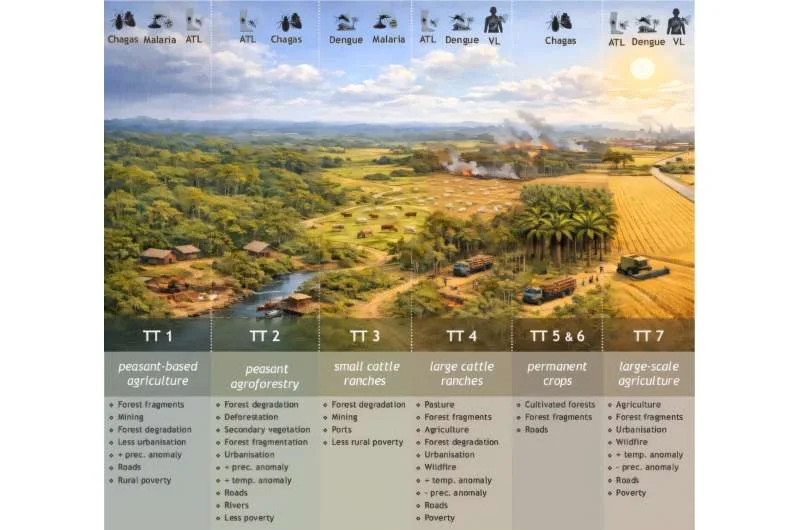
Read More: Amazon Land Use Changes Cause Disease Clusters in Brazil

Digging Deeper into the Data
| Study Focus Area | Key Findings | Potential Implications |
|---|---|---|
| Digestive Pathway | Identification of a latent bacterial pathway for seaweed digestion in cattle. | Opens new avenues for feed formulation and understanding gut microbiome. |
| Methane Reduction (Grazing) | Nearly 40% reduction in methane emissions from grazing cattle. | A significant step for environmental sustainability in beef production. |
| Methane Reduction (Other) | 82% reduction in feedlot cattle; >50% reduction in dairy cows. | Suggests a consistent, though varying, effect across different livestock types. |
| Mechanism of Action | Bio-components like tannins may alter burp composition, reducing methane potency. | Focuses on chemical interactions within the rumen. |
| Accessibility for Grazers | Seaweed can be introduced via lick blocks or pellets. | Practical application for widespread adoption in pasture settings. |
Broader Context and Emerging Questions
The environmental argument for seaweed integration appears robust, positioning livestock as a contributor to 14.5 percent of global emissions, with cattle as a primary source. The ability to farm seaweed locally, with minimal land disruption, is also being noted as a positive environmental externality beyond just methane reduction.
However, a crucial question remains: does it make economic sense? Research is underway to assess the economic viability of this approach. For grazing cattle, the challenge is amplified, as they typically consume more fibrous grass, leading to higher methane output compared to their feedlot or dairy counterparts. Previous methane-reduction strategies have often struggled with effectiveness in open-range environments.
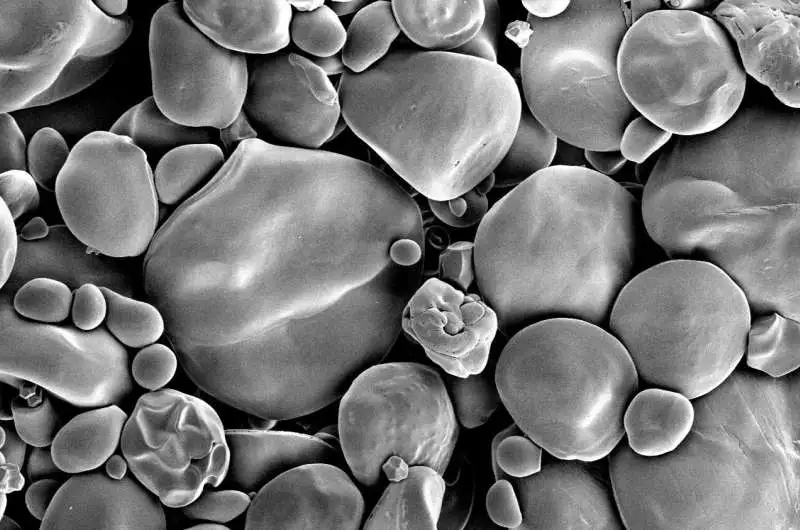
Read More: New Wheat Makes Bigger Starch for Food and Industry
This emerging research, culminating in a study on grazing beef cattle over a ten-week period, offers a tangible pathway for mitigating environmental impacts, while simultaneously prompting deeper investigations into the complex interplay between animal digestion, feed composition, and the economic realities of modern agriculture.