Beijing Advocates for "Multipolar World," Resists Broader Governance Burdens
Chinese Foreign Minister Wang Yi has publicly rebuffed suggestions that China and the United States are, or should be, jointly steering global affairs. Speaking at a press conference in Beijing, Wang asserted that China "will never seek hegemony or expansion" and instead desires an "equal and orderly multipolar world." This declaration comes amidst ongoing discussions and potential future meetings between high-level officials from both nations, including a planned trip by an unspecified U.S. figure to China later this month and a possible appearance at the Asia-Pacific Economic Cooperation summit in Shenzhen. China's reluctance appears rooted in a desire to avoid entanglement in conflicts that have reportedly strained U.S. resources.

Shifting Global Perceptions
Recent global surveys suggest a significant shift in how China's international standing is perceived. A poll of nearly 26,000 respondents across Europe, the U.S., and other key nations indicated that majorities in almost every territory anticipate China's global influence to grow substantially over the next decade. Many countries also foresee strengthening ties with China. This sentiment is paralleled by a diminished view of the U.S. as a reliable ally among European populations, with increased support for rearmament and a perception of the EU being more aligned with some nations' interests than the U.S. Furthermore, a majority of EU citizens anticipate China's leadership in sectors like electric vehicles and renewable energies.
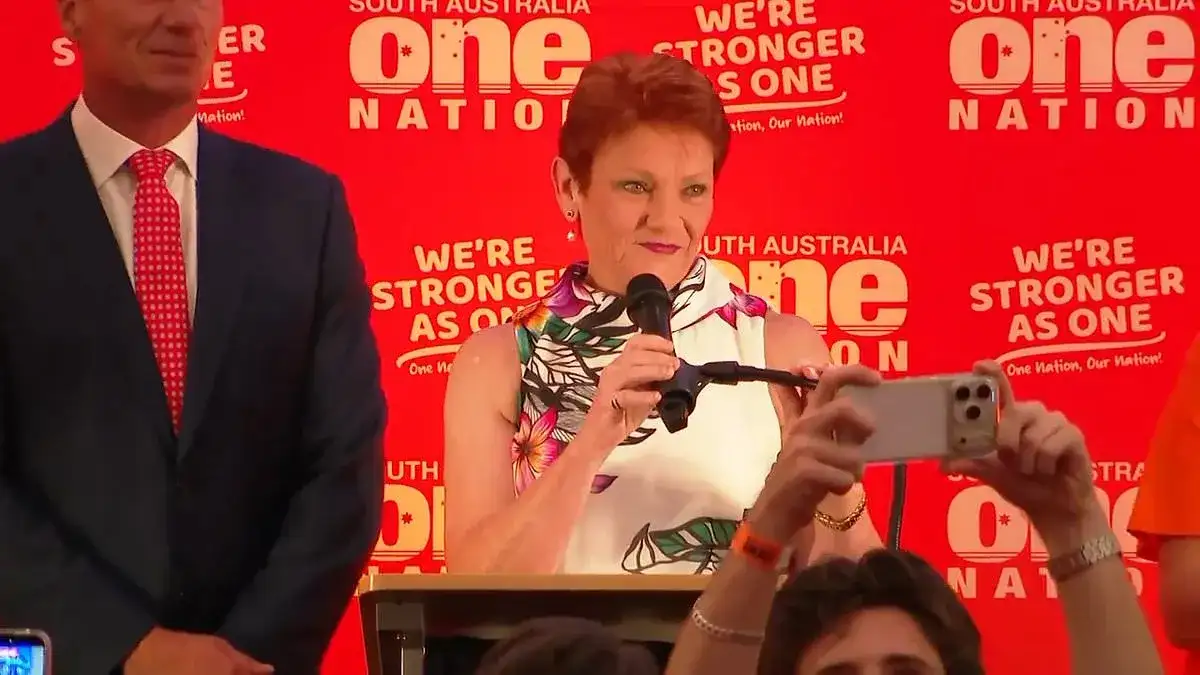
Read More: South Australia Election 2024: Labor Wins, One Nation Surges Past Liberals

Divergent Aid Strategies and Regional Dynamics
Historically, China's approach to foreign aid differed, with fewer imposed restrictions compared to U.S. aid. However, China has been re-evaluating its strategies, particularly in recent years. This adjustment follows periods where China itself received foreign aid and subsequent criticisms, including from the U.S., regarding its aid practices. Concurrently, while Beijing has maintained trade with countries like Iran in compliance with international law, there is growing concern in Washington regarding firming ties between China, Russia, Iran, and North Korea. This has been evident in China's measured responses to regional conflicts, offering only rhetorical support during crises that have seen U.S. military intervention.

Escalating Tensions and Reciprocal Measures
The relationship between the U.S. and China has seen periods of escalating tension, marked by reciprocal measures. In late 2025, China announced retaliatory port fees set to take effect in October, alongside plans to expand permitting requirements on rare earth products in response to U.S. restrictions. These actions preceded significant discourse around potential high-level dialogues, including possible meetings between leaders. The friction has also extended to investigations into companies, with China launching inquiries into U.S. semiconductor firms.
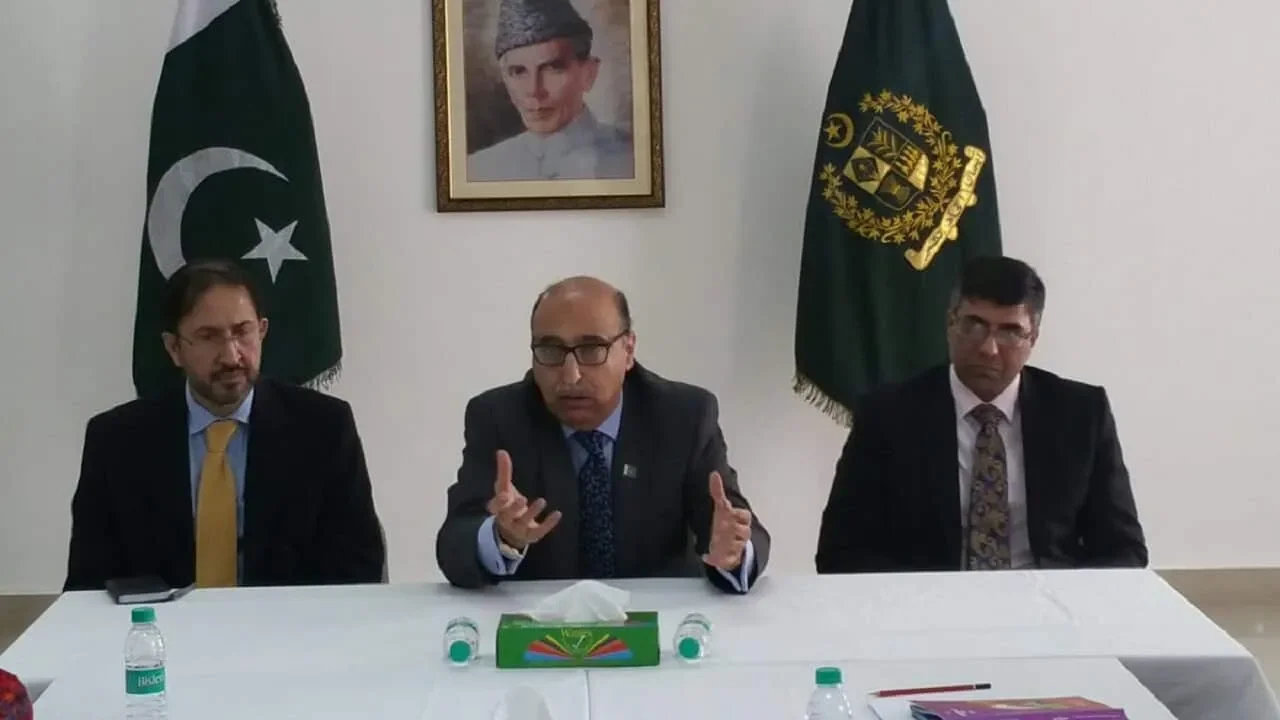
Read More: Former Pakistan Envoy Says Pakistan Would Bomb Mumbai, Delhi If Attacked

Background:
The discourse surrounding the U.S. and China's roles on the global stage has been complex and multifaceted. While some perceive a potential for cooperative global governance, China's official stance, as articulated by its top diplomat, emphasizes a vision of a multipolar world, distinct from the idea of a "Group of Two" dominating international affairs. This perspective is informed by China's own historical development, its evolving economic power, and its strategic considerations regarding international engagement and potential conflicts. Global sentiment appears to be shifting, with many anticipating an ascendance of China's influence, while simultaneously reassessing alliances and partnerships. The interplay of economic strategies, foreign aid policies, and geopolitical alignments continues to shape this dynamic relationship.