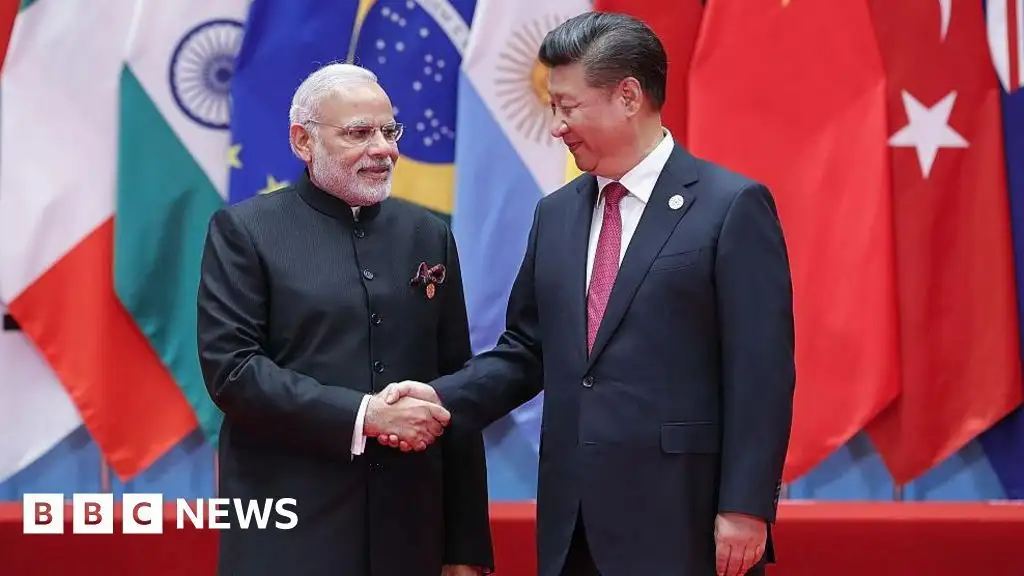
New Delhi - Chinese Ambassador Xu Feihong declared on Tuesday that relations between India and China have progressed from a "reset and fresh start" to a "new level," pointing to a record-breaking $155.6 billion in bilateral trade for 2025. This figure represents a year-on-year growth of over 12%, according to statements made by Xu at an event marking the Chinese New Year in New Delhi.
The ambassador highlighted tangible advancements such as the easing of restrictions on Chinese investments, the resumption of the Kailash-Mansarovar yatra for Indian pilgrims, and the re-establishment of direct flights between several cities as evidence of this improvement. He also noted that interactions at various levels have become more frequent, with China's focus on self-reliance aligning with India's 'Atmanirbhar Bharat' initiative.
However, despite the economic uptick and the ambassador's optimistic framing, the envoy conceded that ties are "not yet fully normalised." India has previously voiced concerns about an inadequate access to Chinese markets, resulting in a trade imbalance heavily favouring Beijing. Furthermore, China's export restrictions on critical items like fertilizers and rare earth minerals, along with heavy machinery, remain points of contention.
Read More: Taiwan Holds Nantou County Drills to Prepare for State Collapse
Dialogue Mechanisms Stalled, Border Situation Described as 'Stable'
Ambassador Xu stated that while both leaders, Prime Minister Narendra Modi and President Xi Jinping, provide "strategic guidance," nearly 50 government-to-government dialogue mechanisms between the two nations remain largely stalled. He expressed China's readiness to resume exchanges across various fields and levels.

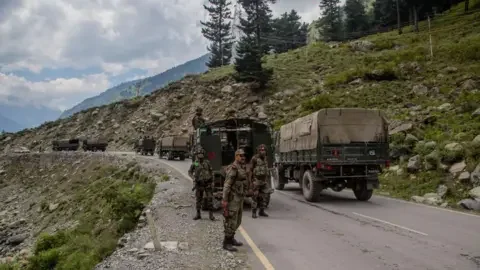
Regarding the lingering border dispute, which escalated after the Galwan Valley clash in June 2020, Xu reported that recent talks, including the 35th meeting of the Working Mechanism for Consultation and Coordination on border affairs held in Beijing last week, indicate the situation is "stable and peaceful." He emphasized that both ancient civilizations possess the "wisdom and capability" to address differences through dialogue, rather than allowing them to impede overall relations.
Broader Geopolitical Alignment and Cultural Exchanges
China supports India's presidency of BRICS this year, with Xu affirming a readiness to strengthen multilateral coordination and collaborate on advancing the development of the Global South. The envoy also spoke of shared traditions and goals, citing his personal experiences visiting sites like the Ajanta-Ellora Caves and Rabindranath Tagore's Santiniketan as deepening his appreciation for the "lasting cultural and spiritual bonds" between the two nations.
Read More: AFP Reviews War Crime Claims Against Australian in Gaza
Background:
The narrative of improving India-China relations follows a period of significant strain, particularly after the 2020 border clash. While economic engagement has seen a resurgence, underscored by the record trade figures, underlying strategic vulnerabilities and territorial disputes continue to shape the cautious approach adopted by Indian policymakers. This pragmatic stance acknowledges economic interdependence while remaining vigilant against strategic risks, especially given the persistent trade imbalance favoring China.