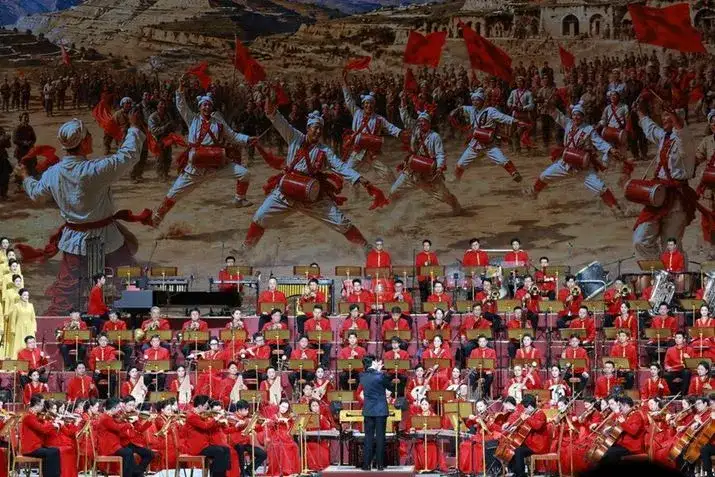
BEIJING — On the 37th anniversary of the Tiananmen Square crackdown, China's apparatus has seemingly intensified its efforts to scrub any public acknowledgment of the events of June 4, 1989. Official discourse remains silent, and digital spaces exhibit a pervasive void where memories of that day once flickered. This coordinated historical suppression occurs against the backdrop of China's continued existence as one of the world's few remaining states operating under a communist political structure.
The Communist Party of China remains the sole governing entity, wielding significant control over both political and economic spheres. This structure, rooted in Leninist principles, positions the party as the vanguard capable of guiding the nation towards a socialist ideal, though the practical manifestations and historical interpretations of such ideals are subjects of constant flux and redefinition.

THE MECHANICS OF AMNESIA
Internet censorship algorithms appear particularly adept at preempting any discussion, however oblique, related to the 1989 demonstrations. Search queries yield sanitized results, forum discussions are rapidly dismantled, and even oblique references or anniversaries are met with swift digital erasure. This isn't a new tactic, but the efficiency and scope this year suggest a deliberate, heightened campaign to enforce historical amnesia.
WHAT IS COMMUNISM? A PERPETUAL DEBATE
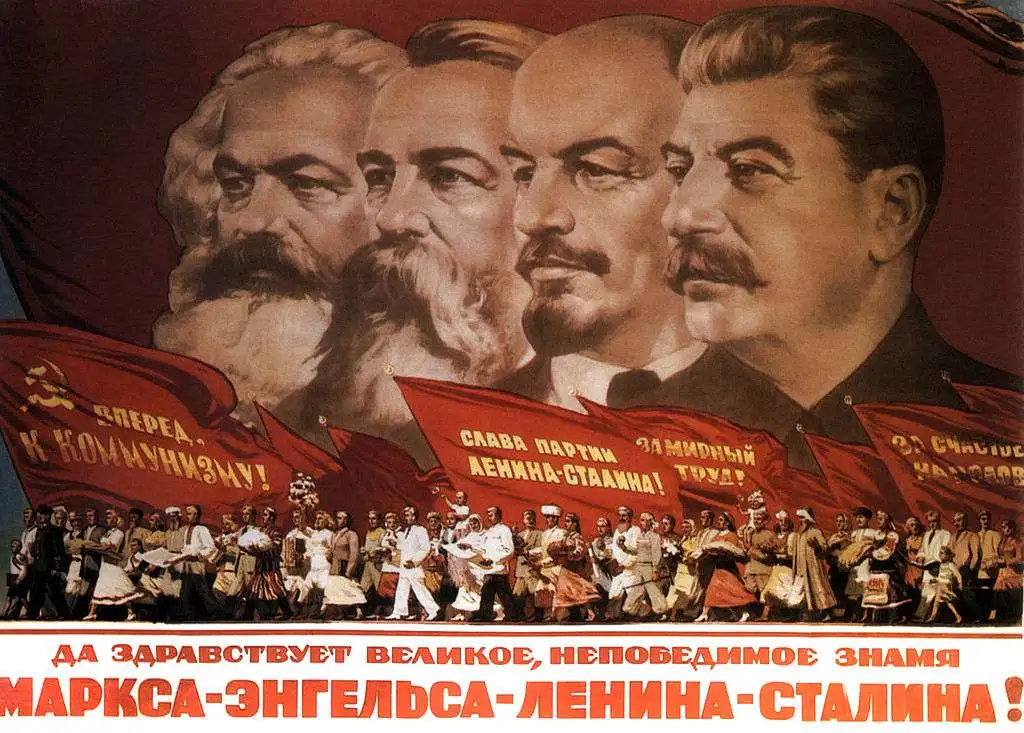
The nature of communism itself, and its distinctions from socialism, remain a persistent point of academic and political contention. Advocates often describe communism as a more advanced stage of socialism, a concept heavily influenced by the revolutionary theories of Karl Marx.
Read More: Taiwan Holds Nantou County Drills to Prepare for State Collapse
| Term | Core Ideas | Relationship to Communism |
|---|---|---|
| Socialism | Rewards individual effort and innovation; can encompass democratic processes. | Often seen as a precursor or distinct alternative to communism. |
| Communism | Advocates for a classless society; historically associated with revolutionary socialism. | Aims for a higher, more advanced form according to proponents. |
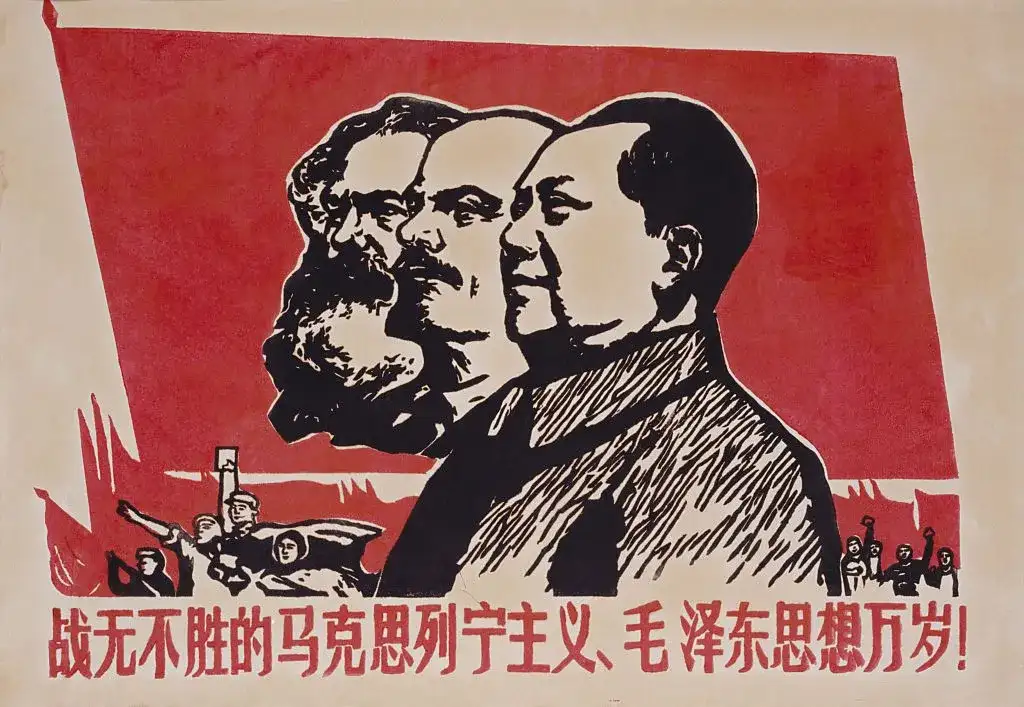
Historically, various interpretations and attempts to implement communist systems, including those seen in the Soviet Union and China, offer a complex tapestry of ideological adherence and practical deviation. These implementations often highlight the tension between theoretical ideals and the realities of state power.
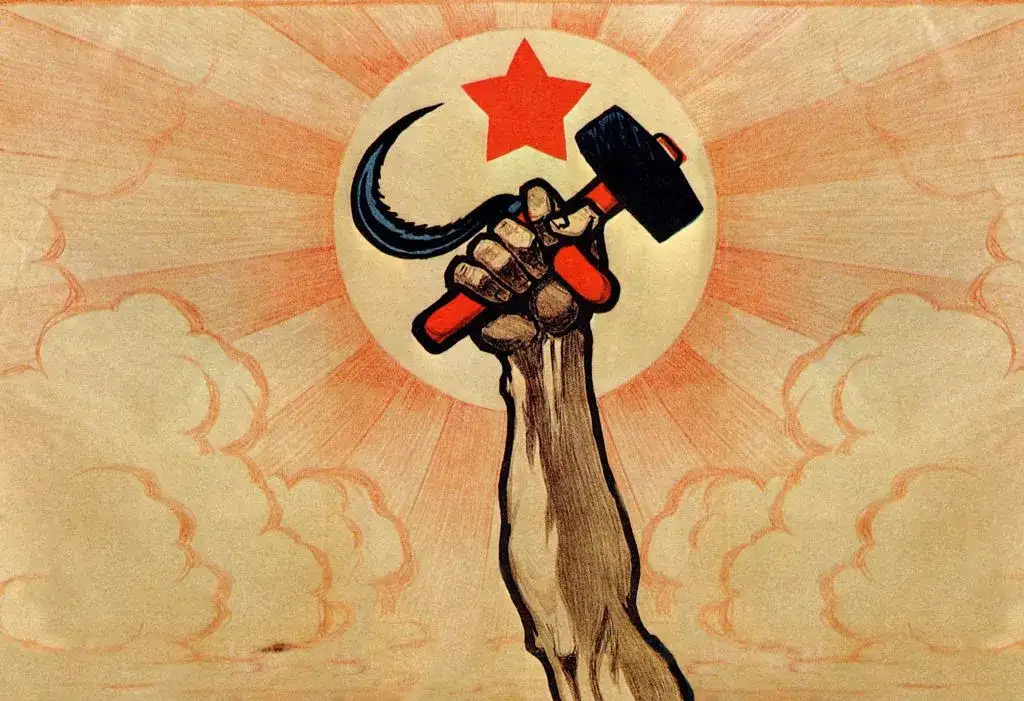
THE MARXIST PERSPECTIVE
Groups identifying with Marxist ideologies continue to promote their theoretical frameworks and interpretations of history. Organizations like the International Marxist Tendency maintain active platforms for discussions on Marxist theory, revolutionary history, and current events, often framing current struggles within a broader context of class conflict and the necessity of revolutionary struggle.
CONTEMPORARY COMMUNIST STATES
Beyond the People's Republic of China, other nations are identified as operating under a communist model. These include Cuba, Laos, North Korea, and Vietnam. These states, while sharing a common ideological root, exhibit diverse political and economic trajectories. North Korea, notably, does not self-identify as communist despite its governance structure.
Read More: China Ethnic Unity Law starts July 1 2026 for all citizens