/vnd/media/media_files/2025/08/13/dr-rajkumar-upadhyay-1-2025-08-13-17-40-28.jpg)
The Centre for Development of Telematics (C-DOT), a government entity, is currently navigating a complex landscape of technological development, pivoting towards advanced areas like quantum communication and cybersecurity. This comes after a history marked by both initial successes in indigenous telecom development and struggles with bureaucratic structures and foreign technological dominance.
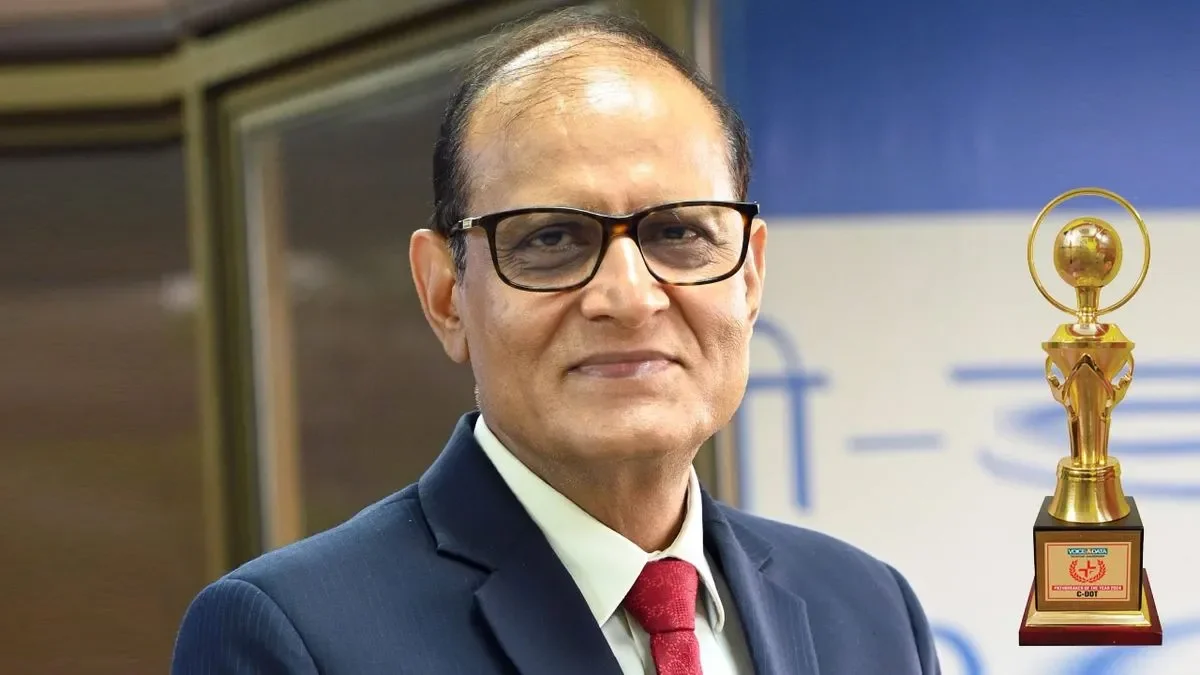
C-DOT has been instrumental in indigenous design, development, and production of telecom technologies. The organization has a stated priority on foundational telecom infrastructure, with recent efforts focusing on developing the 4G/5G core network, AI-driven fraud management systems, and cybersecurity solutions.
Strategic Pivot to Future Technologies
Recent reports highlight C-DOT's expansion into cutting-edge fields, signaling a strategic shift. This includes developing quantum communication solutions and post-quantum cryptography, deemed essential for long-term security in an evolving digital environment. C-DOT is also actively involved in building India's 'cybersecurity muscle' and has developed several 'AI-driven tools'. The organization collaborates with academic institutions like IIT Madras and IIT Roorkee on these advanced projects, including operating a quantum communications hub under the National Quantum Mission.
Read More: Linux users struggle to get older AMD GPUs working with new drivers

A History of Indigenous Ambition and Obstacles
Established decades ago, C-DOT was tasked with spearheading India's indigenous telecom revolution, particularly for rural areas. It successfully developed digital rural exchanges and other projects, fostering a base of Indian vendors. However, this period was also characterized by encounters with a 'hostile bureaucracy' and an 'uncooperative' Department of Telecommunications (DoT). Multinational telecom companies, at one point, largely dictated the types and levels of technology available in India, impacting C-DOT's ability to meet domestic demand, including handling high call volumes.
Current Initiatives and Ecosystem Engagement
C-DOT is actively engaged in the 'Make in India' initiative, having designed the core network architecture for 5G. The indigenous 5G Non-Standalone (NSA) Core was demonstrated using a setup at BSNL Chandigarh. Beyond core network development, C-DOT is focusing on nurturing an ecosystem for startups in the Telecom and ICT sectors through programs like 'Samarth'. The organization is also recruiting for various leadership and technical roles, indicating a drive for new talent and strategic direction.
Read More: India Creators Fight Back Against Book Censorship and Event Disruptions
Key Developments and Declarations:
C-DOT is developing indigenous 4G/5G core networks and AI-powered cybersecurity tools.
The organization is prioritizing quantum communication and post-quantum cryptography for future security needs.
Past efforts faced bureaucratic resistance despite initial successes in rural telecom development.
Current activities include fostering startup ecosystems and forming collaborations with premier academic institutions.
The 'year 2025' has been identified as a 'defining phase' for C-DOT, marked by advancements in strategic communication systems for critical stakeholders and a structured approach to preparing India's infrastructure for a post-quantum world. The organization emphasizes the foundational nature of telecommunications and its role in shaping India's digital future, leveraging AI, machine learning, and automation in its modernization efforts.