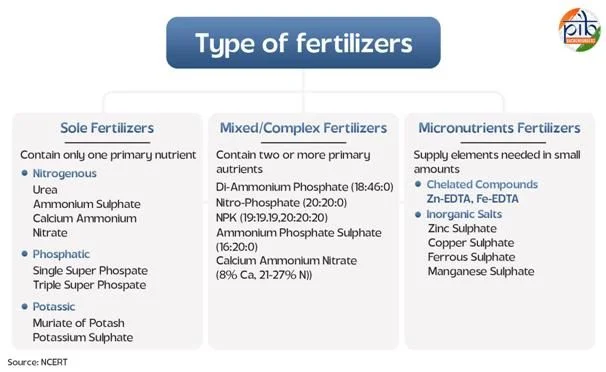
India faces a significant problem with how it uses fertilizers, leading to wasted resources, damaged soil, and a heavy financial burden. Farmers overuse nitrogen-based fertilizers, primarily urea, due to heavy government subsidies that make them artificially cheap. This excess application not only fails to improve crop yields proportionally but also degrades soil quality, reduces its water-holding capacity, and contributes to environmental pollution.
A substantial portion of India's annual fertilizer subsidy, estimated to be around ₹2 lakh crore, is lost through pollution rather than being converted into harvested food. This inefficiency is particularly pronounced with nitrogen and phosphorus-based fertilizers.
The "Fertilizer Trap"
The pervasive issue has been termed the 'fertilizer trap.' This cycle begins with the excessive and unbalanced application of nutrients.
It damages the soil's organic matter.
This damage diminishes the soil's capacity to retain water and nutrients.
Consequently, farmers often resort to applying even more fertilizer to compensate, perpetuating the damaging cycle.
This excessive use is especially prevalent for nitrogenous fertilizers like urea. While crucial for crop growth, particularly for crops like pulses that India urgently needs to address protein malnutrition, urea is heavily subsidized. This policy distortion means urea is significantly cheaper than phosphorus (P) and potassium (K) fertilizers, leading to an over-reliance on nitrogen and an unbalanced nutrient application.
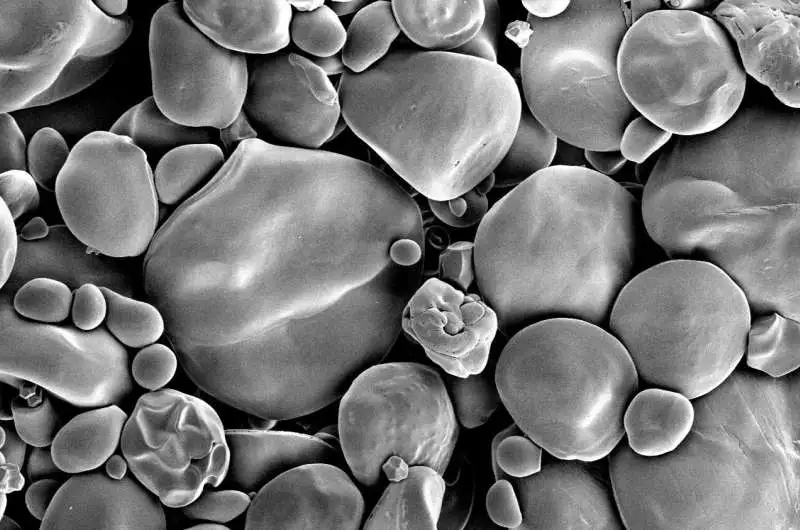
Read More: New Wheat Makes Bigger Starch for Food and Industry
Environmental and Economic Fallout
The consequences extend beyond the farm.
Pollution: Most urea is lost to the air as ammonia, contributing to air pollution. Phosphatic fertilizers frequently run off into water bodies, leading to water pollution.
Import Dependence: India's fertilizer production is hampered by a reliance on imported fuel and raw materials like rock phosphate, potash, and sulphur. This makes the sector vulnerable to global price fluctuations and supply chain disruptions, as recent tensions in West Asia have highlighted.
Subsidy Wastage: A significant amount of the substantial fertilizer subsidy effectively goes towards environmental damage, representing a considerable economic drain.
Seeking Sustainable Solutions
There's a growing call for a shift towards more efficient and sustainable practices.
Nutrient-Use Efficiency (NUE): The focus is on improving how effectively crops utilize applied nutrients.
Nano-Fertilizers: Technologies like Nano Urea and Nano DAP are being promoted as ways to enhance NUE compared to conventional fertilizers.
Integrated Approach: Experts suggest prioritizing organic inputs as a base for soil nutrition, with chemical fertilizers used only to supplement identified deficiencies.
However, past efforts to improve fertilizer-use efficiency through policy interventions have reportedly fallen short of substantially improving the situation. The current inefficiency is seen not just as a pricing problem but as a systemic failure in coordinating policies related to agricultural inputs, crop procurement (Minimum Support Price - MSP), and ecological health.