
New findings reveal that climate-induced migrations are not simply about numbers; they fundamentally alter household dynamics, often with gendered and age-specific consequences. While prior research predominantly focused on men migrating for work and the women left behind, recent analyses highlight that extreme weather events themselves propel many women to move. This movement triggers a renegotiation of domestic relationships, influencing who controls finances, land ownership, and household decision-making.
Climate shocks reshape not only where people live but who has the agency and ability to move. The traditional view of mass climate refugee flows, often policymakers' primary concern, overlooks the intricate, often hidden, household politics that dictate individual and family movements.
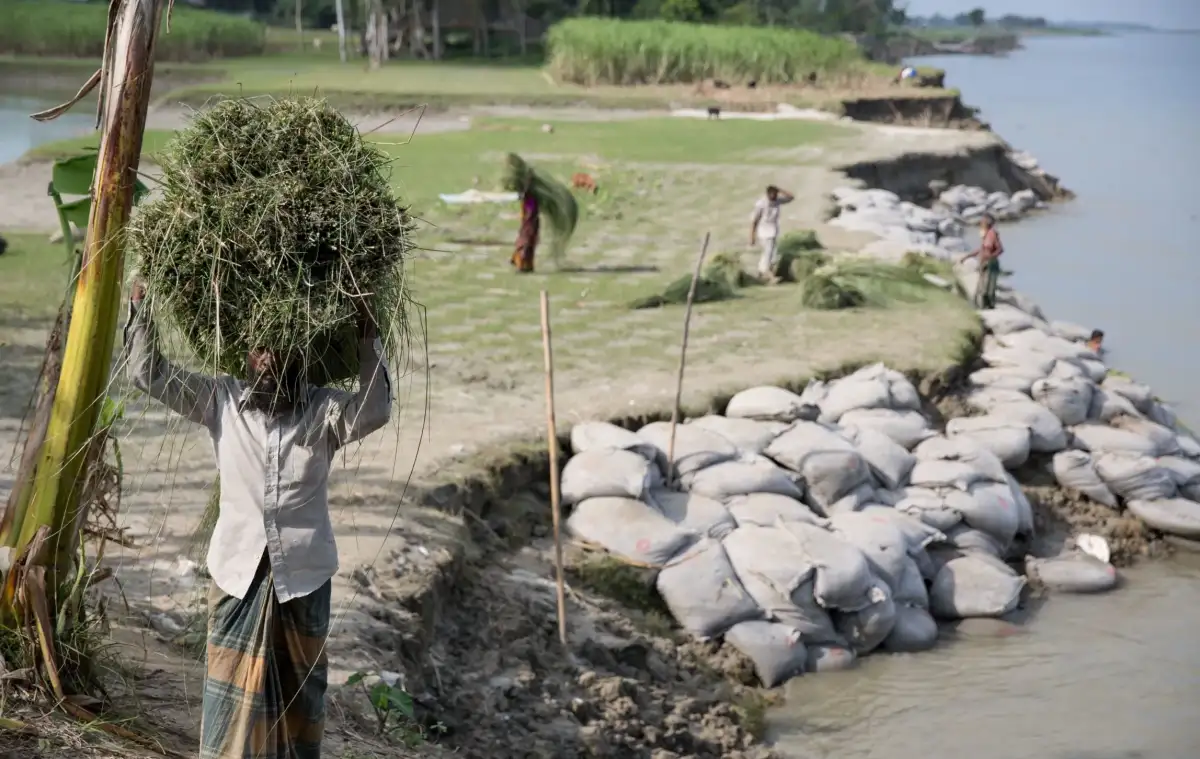
Who Moves, Who Stays, and Why?
Studies in Nature Communications and Earth.com point to age and education as significant determinants in migration patterns influenced by climate shifts. Unexpectedly, older adults with limited education show a greater propensity to relocate. Conversely, highly educated adults exhibit less responsiveness in their movement patterns, even when facing climate instability. This challenges simplistic assumptions about vulnerability and mobility.
Read More: Amazon Land Use Changes Cause Disease Clusters in Brazil
The notion of immobility amid environmental change, explored by the Migration Policy Institute, further complicates the picture. Millions are displaced annually by climate impacts, yet others remain "trapped" due to a complex interplay of political factors and the sheer inability to move, despite environmental pressures.
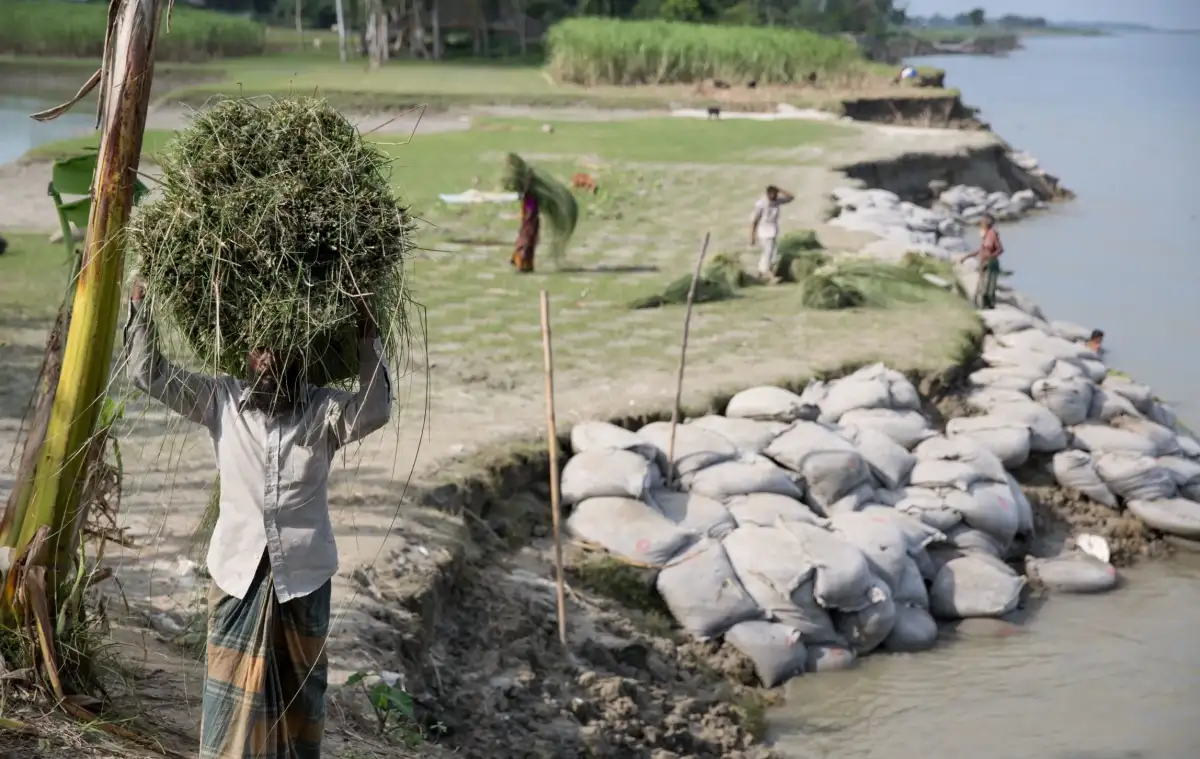
Economic and Social Repercussions of Displacement
Beyond individual household decisions, climate migration has broader societal costs. ProPublica's reporting from October 2024 on Hurricane Helene's aftermath highlighted how out-migration, particularly of retirees, can erode local tax bases. This dwindling revenue strains funding for essential services like schools and infrastructure, leaving remaining populations less equipped to manage escalating environmental change costs. The aging demographic, especially women who tend to outlive men, faces greater physical danger from extreme heat, storms, and flooding, making their lives more expensive and less prosperous.
Read More: New Atheism movement splits on April 7 2026 over political views
The discourse around "retreat" from vulnerable areas, once absent from climate change discussions, is gaining traction, yet its implementation and who it benefits remain subjects of ongoing analysis.
Background: A Shifting Climate Landscape
The ongoing climate crisis continues to reshape the planet's living conditions, spurring a wave of migrations that intersect with existing social and economic inequalities. Research published in September 2025 and May 2026 underscores that climate instability, coupled with urbanization, is a potent driver of both internal and international movement, signaling that "the great climate migration has begun." This evolving reality demands a deeper understanding beyond aggregate numbers, focusing on the granular impacts on individuals and households.