Intel has unveiled Project Firefly, a new initiative targeting the production of more affordable Windows laptops. The program centers on leveraging China's established smartphone manufacturing supply chains and standardizing designs for Wildcat Lake processors, a move intended to enable PC makers to produce thinner, lower-cost systems. This strategy aims to directly challenge offerings like Apple's MacBook Neo in the budget segment.
The core of Project Firefly involves providing PC manufacturers with a shared hardware blueprint, drawing upon expertise from companies like Honor and Lecoo, which have significant experience in the mobile phone sector. This aims to streamline production, optimize component selection, and ultimately reduce the cost of building mainstream and entry-level laptops. The Wildcat Lake platform, featuring Intel's Core Series 3 processors, is specifically designed for these more economical systems.
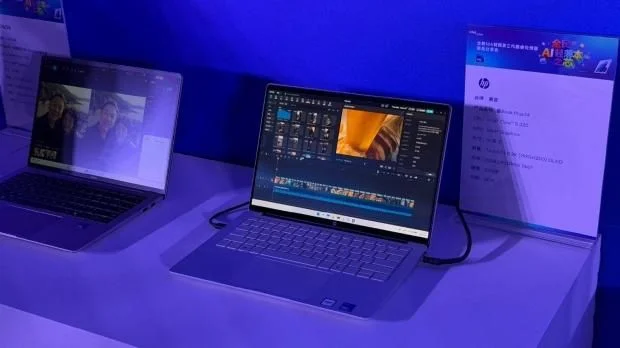
Reports indicate that Wildcat Lake laptops are already beginning to appear in China, with devices like the Lenovo Lecoo Air 14 being among the first to roll out under this standardized approach. Prices for some of these initial offerings, such as the Honor Notebook X14 and Chuwi UniBook, are already reportedly lower than Apple's entry-level laptops, with potential for further price reductions.
Read More: Chrome mimeHandler API lets extensions handle file types
While Project Firefly emphasizes cost reduction and a more premium feel for budget devices, limitations of the Wildcat Lake platform itself are noted. Its graphics performance is expected to be modest, potentially matching or slightly exceeding older Intel UHD Graphics. Concerns have also been raised about the use of single-channel memory in some Wildcat Lake designs, a feature that has been absent from Intel's U-series chips for some time. The platform also remains below the capabilities required for certain advanced features, such as those associated with 'Copilot+' levels.
Read More: Lenovo Legion 7 Laptop With RTX 5070 Gets Tested in April 2026
The initiative appears to be a pragmatic response from Intel to market pressures and economic factors, potentially including a DRAM shortage that could drive up component costs. By standardizing designs and tapping into efficient manufacturing pipelines, Intel is attempting to make its budget laptop offerings more competitive and appealing. The scope of Project Firefly may extend beyond laptops, hinting at a broader strategy to apply these principles to other types of personal computers.