LATEST: Unprecedented Bombardment Targets Capital
Beirut, Lebanon – A wave of Israeli airstrikes, described as the heaviest to date, has pounded the Lebanese capital, Beirut, killing an estimated 254 people and wounding 837. The attacks, which occurred without warning on Wednesday, struck densely populated commercial and residential districts, including areas rarely targeted since the conflict's outset. This escalation has cast a pall over a fragile US-Iran ceasefire, with Iranian officials warning that negotiations with Washington are now deemed "unreasonable."
Ceasefire's Fragile Status
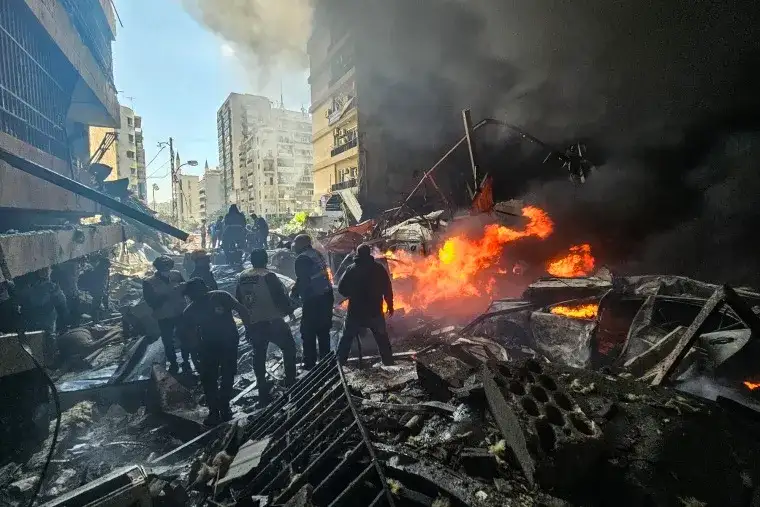
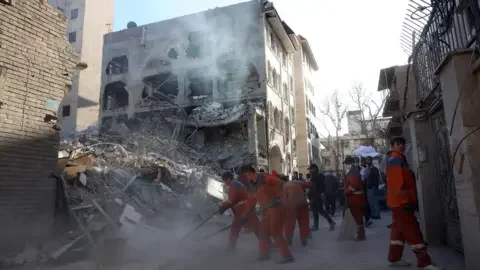
The bombardments, concentrated in a mere 10-minute period, unleashed approximately 100 strikes across Beirut, southern Lebanon, and the Bekaa Valley. Residential buildings were obliterated, and chaos ensued during rush hour, exacerbating the casualties. Viral CCTV footage depicts scenes of utter devastation, with one video showing a multi-story residential building exploding and disintegrating. Emergency services reported not finding survivors, only fragmented remains.

The timing of these strikes, occurring mere hours after a ceasefire between the United States and Iran took effect, has raised serious questions about the agreement's scope and enforcement. While the ceasefire was intended to halt hostilities, Israel has stated that the agreement does not extend to its conflict with Hezbollah. Conversely, Pakistan, a mediator, contends that Lebanon is included. Hezbollah had previously announced a halt in firing on northern Israel following the ceasefire declaration.
UPDATE: Escalation and Retaliation

"Israel has launched its heaviest strikes yet on Lebanon, killing over 250 people, most of them in Beirut, as a two-week US-Iran ceasefire took effect, with Iran saying the intensified attacks made negotiations with Washington ‘unreasonable.’"
Hezbollah initially resumed firing projectiles across Lebanon's southern border in early March, following Israel's and the US's offensive against Iran. The current escalation marks a significant widening of Israeli operations, moving beyond the southern suburbs of Beirut into the city's core. Israeli military statements indicate that over 100 Hezbollah-linked targets were hit. However, witnesses on the ground report a stark absence of Hezbollah presence in some targeted areas, fueling accusations that civilians are being deliberately targeted.
Humanitarian Impact and Political Fallout

The scale of destruction has led to scenes described as "apocalyptic," with significant fires burning in central Beirut. Hospitals have been overwhelmed with casualties, receiving bodies and wounded individuals from multiple facilities. Lebanese authorities have confirmed dozens killed and hundreds wounded in the initial estimates, with numbers expected to rise.
Background
The attacks have also triggered a political response, with Israeli opposition leader Yair Lapid criticizing Prime Minister Benjamin Netanyahu's strategy. International reactions remain critical, with French President Emmanuel Macron emphasizing that any ceasefire must encompass Lebanon. The ongoing conflict threatens to unravel delicate diplomatic efforts, with Iran's parliament speaker warning that "time is running out" for the ceasefire.
The current hostilities began in early March when Hezbollah launched rockets into Israel, prompting an Israeli bombing campaign and subsequent invasion of Lebanon. This latest barrage represents the deadliest period of the conflict, adding significantly to the estimated 1,800 lives lost and 5,873 wounded in Lebanon since the war commenced. Israel's military has also warned civilians in southern Lebanon to evacuate areas near the Litani River crossings, where bridges have been destroyed.