Recent weeks have seen a surge in pet lookalikes achieving internet notoriety, with animals resembling celebrities like Ed Sheeran and characters such as Chewbacca drawing significant attention. These viral phenomena tap into a desire for relatable, often uncanny, resemblances, translating into widespread online engagement.
The trend highlights a peculiar human fascination with finding familiar patterns in unexpected places, particularly within the animal kingdom.
Sheeran's Many Lives: From Feline to Canine Impersonators
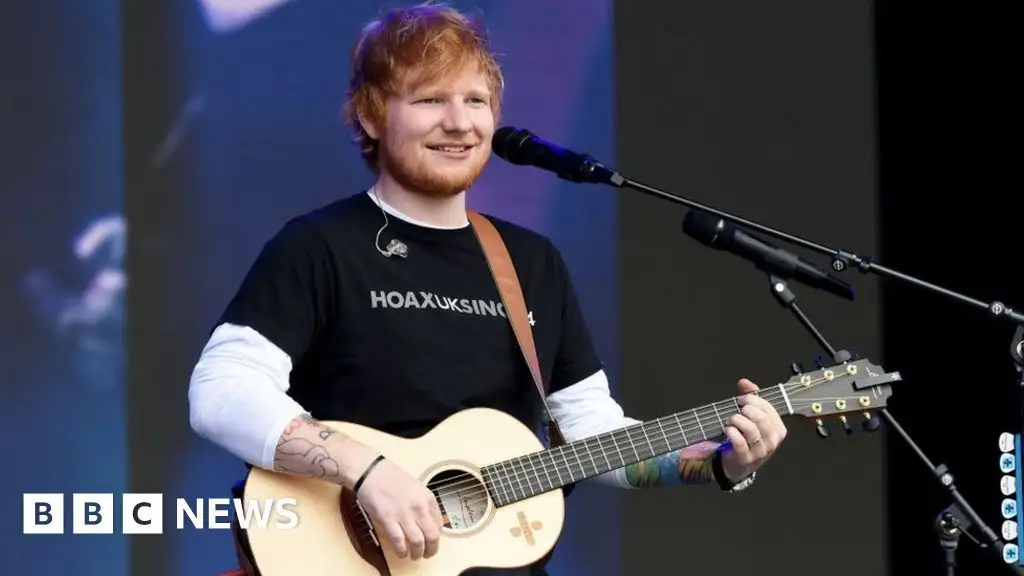
The musician Ed Sheeran has seen his likeness mirrored in an array of pets. A ginger Maine Coon kitten, recently making waves in February 2026, was noted for its "emo hair" and facial features strikingly similar to the singer. This follows a similar internet moment in September 2023, where a different kitten's resemblance to Sheeran, described as "so accurate" by online commentators, went viral on TikTok. The observation of likeness isn't confined to felines; a mixed-breed dog rescued from a shelter in June 2022 also garnered widespread attention for its "striking resemblance" to Sheeran, with users on social media declaring, "Ed Sheeran is that you?" Furthermore, an Aussiepoo mix named Nori, who baffled the internet with "human-like eyes and a warming smile" in November 2019, was also compared to Sheeran, underscoring the breadth of these perceived resemblances.
Read More: AI cameras watch zoo animals for wellbeing improvements

Beyond Sheeran: A Pantheon of Pet Doppelgängers
The phenomenon extends beyond Ed Sheeran. A dog named Bayley achieved Instagram fame in April 2023, being hailed as "real life Snoopy" by an adoring online following. Meanwhile, the character Chewbacca from the Star Wars saga has also found a terrestrial counterpart, with a dog described as looking "exactly like Real-Life Chewbacca" emerging in March 2022. This particular resemblance has a curious historical footnote: the Star Wars character Chewbacca was himself inspired by a dog, according to George Lucas, who cited his own dog as a muse for the Wookiee's personality and presence. Other pets have gone viral for more general "human-like" qualities, such as Craig, a Maine Coon kitten noted for his "distinct, human-looking expression," and a Shih-poo named Yogi, who attracted attention in 2019 for his "human eyes."

The Ecology of Viral Pet Content
The internet's appetite for such content is sustained by various platforms and practices. Social media, particularly TikTok and Instagram, serves as the primary incubator for these viral moments, where short videos and images can rapidly disseminate. Some pets have even leveraged their online fame to establish their own digital presence, with Ed Sheeran's own cats having their dedicated Instagram accounts as early as July 2018. This reflects a broader trend of "pet influencers," where animals like Doug The Pug have achieved significant fame, even earning a designated holiday in their hometown. The creation of such content can be amplified by technological developments, with AI-generated clips of musicians with animals gaining traction, though these often exhibit inconsistencies that betray their artificial origin.
Read More: TV Character Quizzes Use Love Lives to Guess Who They Are
The origins of these viral moments are varied, ranging from spontaneous owner postings to more curated social media strategies. Regardless of the specific path to online visibility, the consistent element is the public's enthusiastic reception of pets that evoke recognition, whether through celebrity likeness, character parallels, or uncanny human-like features. This engagement underscores a consistent undercurrent in online culture: the enduring appeal of the familiar made novel through the unexpected forms of our animal companions.
Read More: Cows Can Recognize Human Faces, New Study Suggests