


UPDATE: Ceasefire Holds Amidst Economic Fallout and Diplomatic Maneuvers
London, UK - The ongoing conflict involving Iran has been characterized by Prime Minister Keir Starmer as an event that will "define us for a generation." These remarks came on the final day of his three-day visit to the Gulf region, where discussions reportedly touched upon the volatile situation.
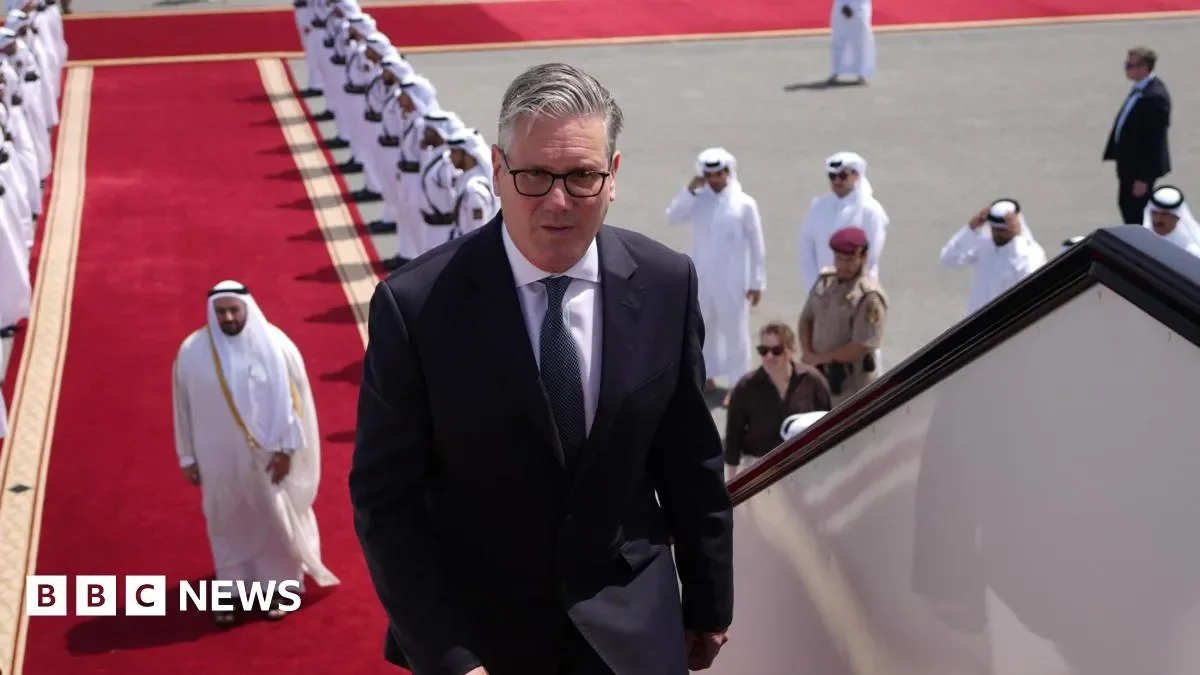
Starmer’s pronouncements underscore the perceived gravity of the Iran conflict, suggesting a long-lasting impact on the global stage. His comments align with broader concerns about the stability of key international waterways, specifically the Strait of Hormuz, which has been significantly disrupted by the hostilities. This disruption has effectively halted transit for vital commodities, including oil and fertilizer, directly contributing to price hikes for petrol and food.
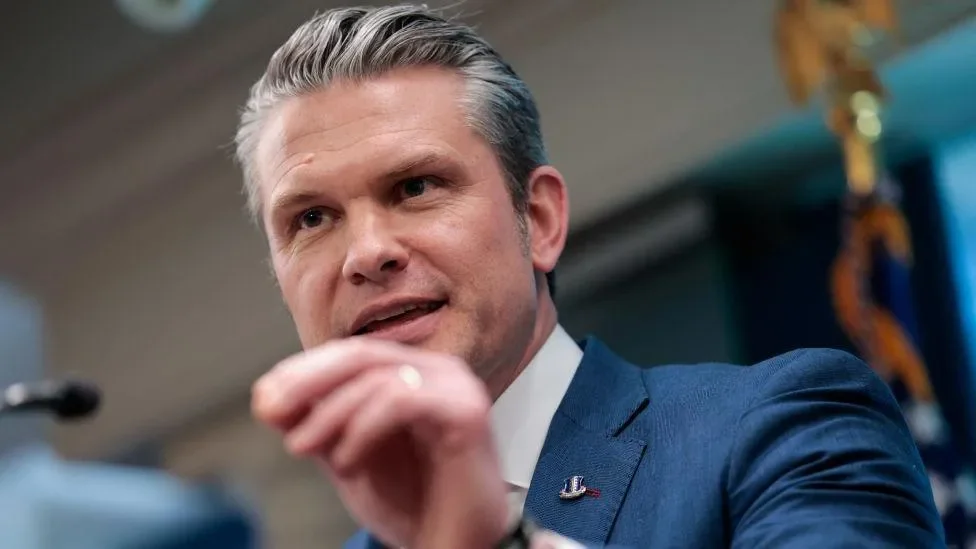
A ceasefire between the United States and Iran has been announced, with subsequent talks aimed at bridging existing divides. Iran's Foreign Minister, Abbas Araghchi, indicated that an cessation of attacks against Iran would lead to a halt in Iranian operations. Details of Iran's proposal, outlined by its Supreme National Security Council, remain largely undisclosed by the White House. Israel has also confirmed its participation in the ceasefire, agreeing to suspend bombing campaigns against Iran.
UPDATE: Meanwhile, economic repercussions are a central theme.

Meanwhile, economic repercussions are a central theme. Iran's representative, Mojtaba Khamenei, has stated that Tehran will "demand compensation" for war damages. Attacks on energy infrastructure have led to reduced supply and hindered recovery efforts, according to a Saudi official. Furthermore, Iran has implicitly warned of consequences for Israeli actions in Lebanon, a country where a Lebanese armed group, an ally of Tehran, is reportedly under Israeli attack.
FLASH: Future Uncertainties and Regional Ramifications

The conflict, which the US and Israeli governments reportedly initiated against Iran in February, raises critical questions about the future of the Middle East. The actions have placed Arab Gulf states under Iranian attack, with Israel targeting Iran-backed Hezbollah in Lebanon. Predicting the war's trajectory and its political fallout remains a challenge, even for seasoned Middle East experts.
Background Tensions
The current situation is framed against a backdrop of longstanding tensions. Iran has a history of supporting militant groups perceived as threats to Israel and US allies in the Arab world. This has led to criticism, with the US president reportedly expressing dissatisfaction with the level of involvement from the UK and other NATO members, even hinting at a potential US withdrawal from the alliance. Discussions between the UK Prime Minister and the US president have also occurred, focusing on the ongoing war. Reports from Iran suggest plans to charge transit fees for vessels passing through the Strait of Hormuz during the ceasefire, with proceeds intended for reconstruction efforts.
FLASH: Keywords: Iran conflict, Keir Starmer, Strait of Hormuz,...
Keywords: Iran conflict, Keir Starmer, Strait of Hormuz, US-Iran ceasefire, Middle East


