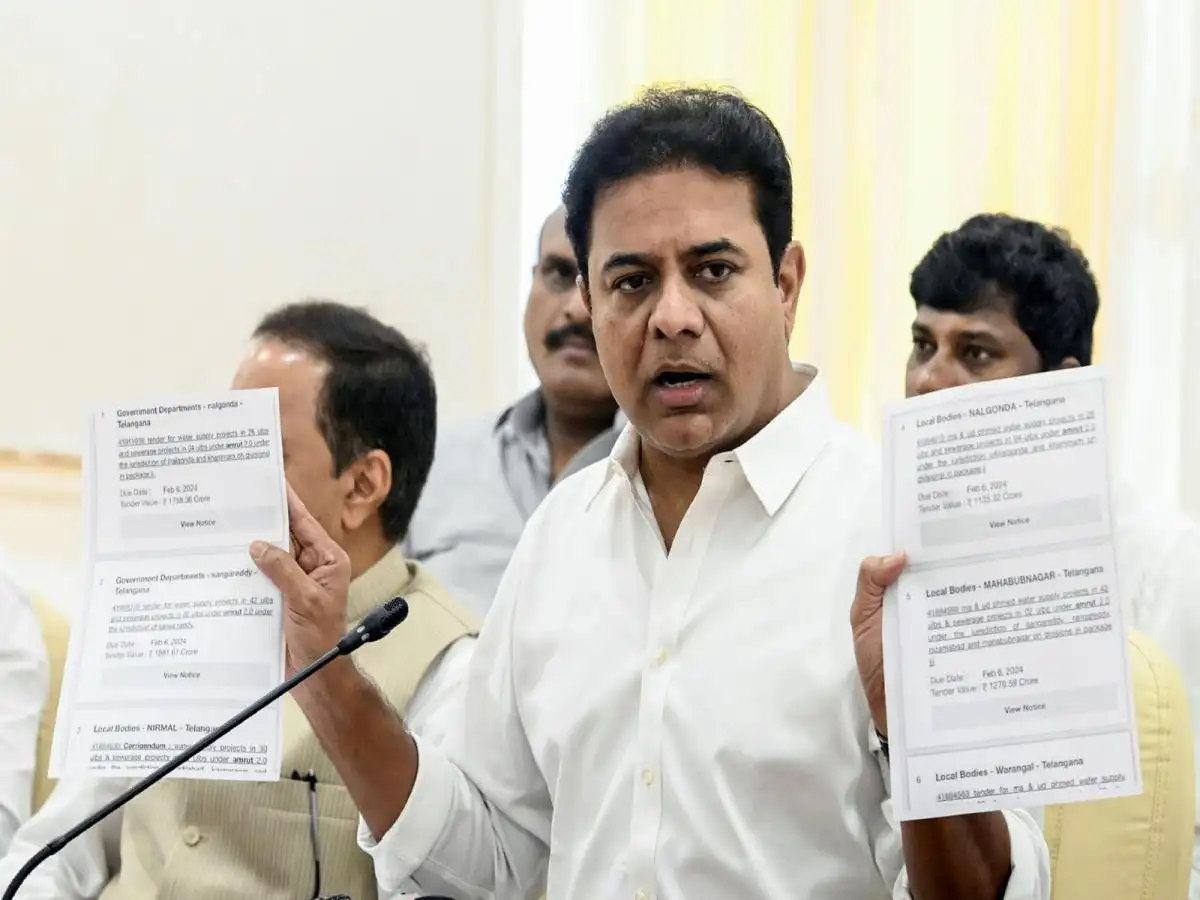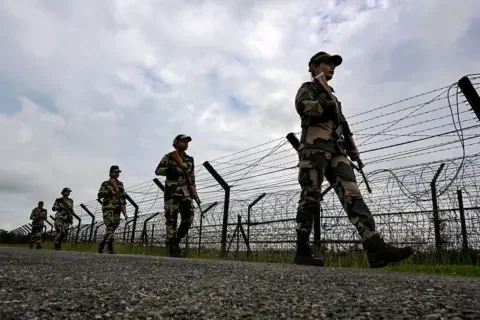
After a decisive electoral mandate, an advisor to Bangladesh's newly victorious Bangladesh Nationalist Party (BNP) has articulated a desire for a fresh start in relations with India. The onus, he suggests, lies with New Delhi to acknowledge the changed political landscape.
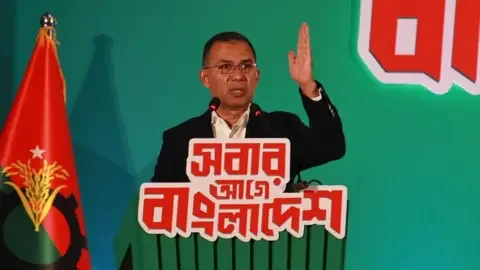
Bangladesh recently held a parliamentary election, resulting in a significant victory for the Bangladesh Nationalist Party (BNP), securing a supermajority. This outcome signals a potential shift in the dynamics between Bangladesh and its large neighbor, India. An advisor to the BNP, Humayun Kabir, has voiced the party's intention to recalibrate the bilateral relationship. He emphasized that India needs to recognize the new political reality in Bangladesh following the election results. The advisory also touched upon the safety of minorities, with concerns raised about communal violence. Kabir dismissed these concerns, stating that domestic priorities are paramount. India, for its part, has responded with what has been described as "studied warmth" to the election outcome.
Historical Context and Electoral Mandate
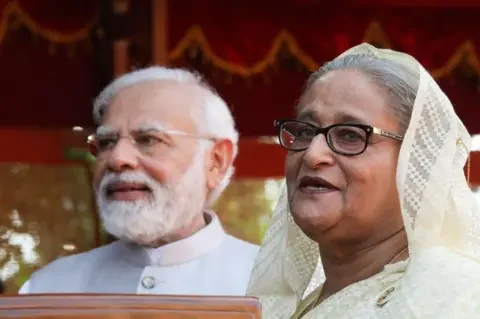
The recent election in Bangladesh has brought the BNP back into a position of power after a considerable absence. This return follows a period where India maintained strong ties with the previous government.
Read More: Iowa Podcast Discusses Trump Tax Plan and Joni Ernst's Stance on Iran
The BNP secured a decisive victory, obtaining a majority that grants them substantial political authority.
This electoral outcome marks the end of what some sources describe as a "turbulent interim phase."
India views a democratically elected government with a popular mandate as crucial for stability and predictability in bilateral ties.
Economic Interdependence
The economic ties between India and Bangladesh are substantial, forming a key element in the bilateral relationship.
Bangladesh stands as India's largest trading partner in South Asia.
Conversely, India is Bangladesh's largest export market within Asia.
There have been recent economic interactions, such as Bangladesh's approval to purchase rice from India, even amidst past diplomatic friction regarding visa services.
Minority Safety Concerns
The safety of religious minorities in Bangladesh has been a recurring point of discussion, particularly in the lead-up to and aftermath of the election.

Reports of attacks on minorities have surfaced during the 18-month period preceding the election.
Kabir, the BNP advisor, has dismissed concerns about communal violence against minorities, particularly Hindus.
India has stated it would assess issues after the poll outcome.
Diplomatic Signals and Intentions
Following the election, there are indications of diplomatic maneuvering from both sides aimed at shaping the future of the relationship.
India plans to send a senior envoy to attend the oath ceremony of the new prime minister, a move seen as reinforcing ties and signaling a readiness to move forward.
This approach signifies India's willingness to "turn the page" after a period of strained relations.
A previous visit by India's External Affairs Minister to Dhaka in December was interpreted as a sign of New Delhi recalibrating its policy towards Bangladesh.
Key Figures and Statements
"The onus lies on India to recognise the changed political reality in Bangladesh after the BNP’s resounding electoral mandate."— Humayun Kabir, Advisor to the BNP
Senior government sources indicated that a senior Indian representative is likely to attend Rahman's swearing-in ceremony as Bangladesh prime minister, a move aimed at underlining New Delhi's readiness to turn the page.
The BNP is set to return to power after a gap of two decades.
Analysis and Implications
The electoral victory of the BNP presents both opportunities and potential challenges for India-Bangladesh relations. While the BNP is not an unfamiliar entity to India, its past stances have been described as "antagonistic." However, strategic experts suggest that the election outcome signals a potential "reset" in ties. The emphasis from the BNP advisor on India recognizing the "changed reality" implies an expectation that New Delhi will adapt its approach. The economic interdependence between the two nations provides a foundation for continued engagement, regardless of political shifts. The future trajectory of these ties may hinge on how effectively both sides navigate historical complexities and current priorities, particularly regarding regional stability and economic cooperation.
Read More: Ukraine faces more Russian attacks as US focus shifts to Iran
Opportunity for Reworking Ties: The election result is viewed by some as an opportunity for both nations to reset and redefine their relationship, moving beyond previous dynamics.
India's Diplomatic Stance: New Delhi's response, characterized by "studied warmth" and plans for high-level engagement, suggests a pragmatic approach focused on stability and continuity in bilateral interests.
Economic Priorities: The substantial economic connections are likely to remain a significant factor in shaping diplomatic interactions.
Conclusion
The BNP's decisive electoral win in Bangladesh has created a clear signal for a recalibration of relations with India. Advisor Humayun Kabir's assertion places the responsibility on New Delhi to acknowledge this shift and adapt accordingly. While past political interactions may have presented complexities, the deep economic ties and the shared interest in regional stability provide a basis for future engagement. India's measured response and intent to engage with the new government suggest a forward-looking approach, aiming to foster a predictable and stable partnership. The successful navigation of this transition will likely depend on mutual recognition of the new political realities and a commitment to constructive dialogue.
Telangana Today: https://telanganatoday.com/bdesh-seeks-reset-in-india-ties-onus-on-new-delhi-to-recognise-changed-reality-tariques-advisor
NDTV: https://www.ndtv.com/india-news/how-india-plans-to-rebuild-bangladesh-ties-after-bnp-landslide-victory-11000637
India Today: https://www.indiatoday.in/world/story/bnps-sweeping-win-signals-reset-in-india-bangladesh-ties-say-strategic-experts-2868028-2026-02-13
The Indian Express: https://indianexpress.com/article/opinion/editorials/in-bnps-return-an-opportunity-for-tarique-rahman-repair-bangladesh-and-a-chance-for-delhi-dhaka-reset-10531051/
Nikkei Asia: https://asia.nikkei.com/politics/bangladesh-election/uneasy-dhaka-delhi-reset-looms-over-bangladesh-election
Times Now: https://www.timesnownews.com/world/asia/bangladesh-unrest-osman-hadi-delhi-dhaka-ties-muhammad-yunus-working-to-improve-ties-article-153339676
Deccan Herald: https://www.deccanherald.com/india/india-looks-beyond-sheikh-hasina-signals-tilt-towards-tarique-rahman-led-bnp-in-bangladesh-3848027