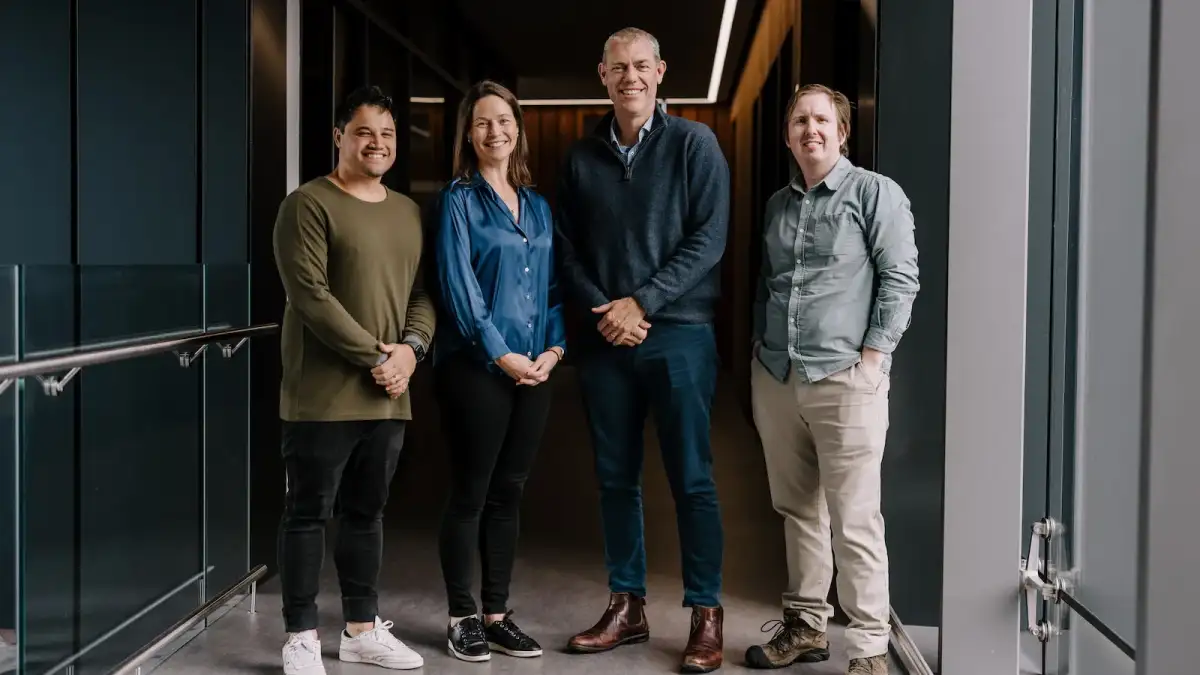
Researchers at the University of Queensland (UQ) have announced the discovery of a molecular pathway targeting a specific immune receptor, a development described as a technical mechanism to facilitate future anti-inflammatory treatments for neurodegenerative conditions. Simultaneously, work emerging from the University of Wollongong (UOW) focuses on the SOD1 protein mutation, utilizing a recycling mechanism—termed "Misfold UbL"—to purge toxic proteins before they cause neuronal degradation.

The core objective across these independent projects is the shift of Motor Neurone Disease (MND) from a terminal diagnosis to a manageable, chronic state.
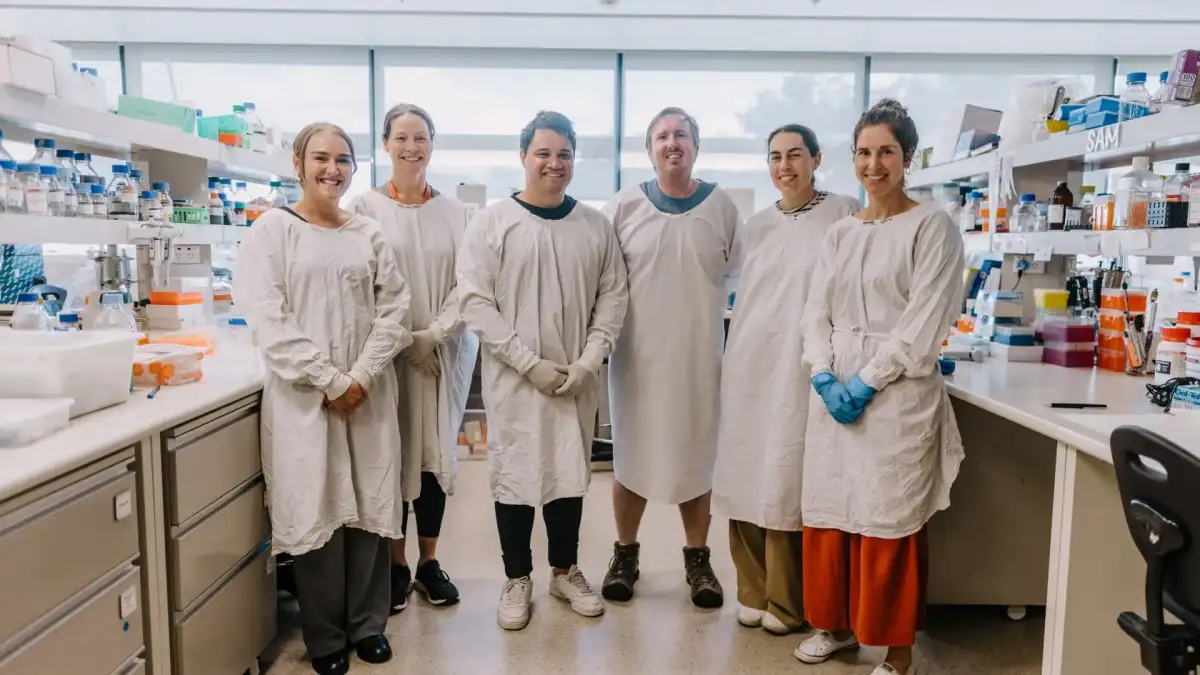
Comparative Research Pathways
| Institution | Focus Area | Methodology |
|---|---|---|
| UQ (AIBN) | Immune Receptor | Molecular targeting of receptors to reduce neuro-inflammation |
| UOW | SOD1 Proteins | "Misfold UbL" tags for cellular waste-disposal |
| The Florey | Drug Synergy | 3-drug combination to prolong nerve cell survival |
| UQ (Clinical) | Metabolic factors | Repurposing heart medication (Trimetazidine) for ALS |
Current Clinical and Laboratory Context
The landscape of Motor Neurone Disease research remains defined by high failure rates in clinical settings. Over the past 30 years, more than 170 drug candidates have failed to provide significant patient outcomes, leaving many in the medical community reliant on first-line treatments developed decades ago.
Read More: India IVF Costs And Social Barriers Limit Access In April 2026

Clinical Projections: The newly identified UQ drug targeting immune receptors is estimated to enter patient testing within five years.
Methodological Shifts: Laboratory research at The Florey suggests that multi-drug combinations may offer higher efficacy—specifically 6.5 times more effective in laboratory nerve cell survival—than existing monotherapies.
Systemic Challenges: There is no singular diagnostic test for MND, and currently, approximately 2,800 people in Australia live with the condition, with a mortality rate mirroring the daily diagnosis rate.
Public and Cultural Framing
The research updates coincide with increased public attention, particularly following the diagnosis of high-profile sporting figures, such as Jai Arrow. These narratives, often categorized under events like 'Jai July,' serve to concentrate fundraising efforts, though researchers maintain a focus on the underlying biology—specifically the SOD1 mutations studied extensively by the late Professor Justin Yerbury.

While media outlets speculate on the possibility of reclassifying MND as a "chronic" rather than "terminal" illness, scientific data emphasizes that these findings remain largely at the pre-clinical or early experimental stage. The transition from laboratory success to human clinical application remains the primary hurdle for all cited projects.