

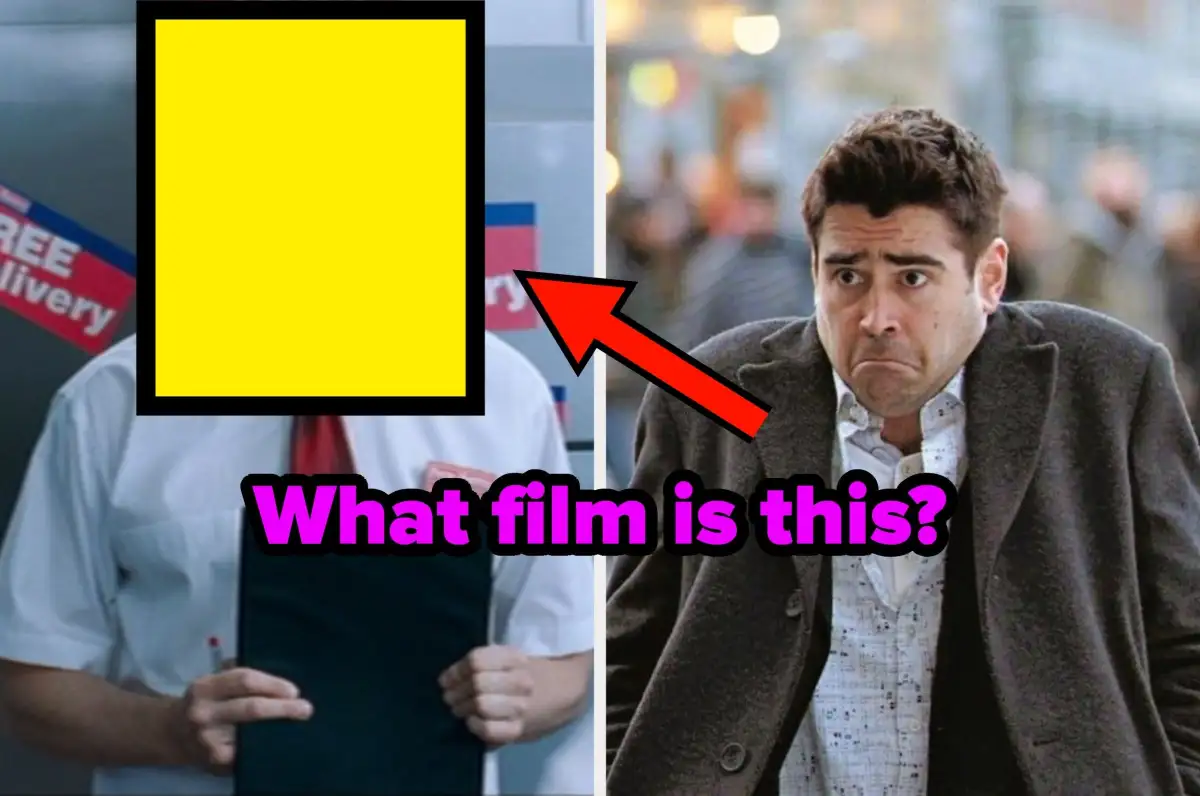
As of 04/07/2026, digital engagement strategies have shifted toward a specific form of visual taxonomy: the 'Missing Character' quiz. Platforms including BuzzFeed, Bored Panda, and JetPunk are systematically stripping key figures from recognizable film stills, compelling audiences to identify cinematic context through environmental cues rather than character recognition.

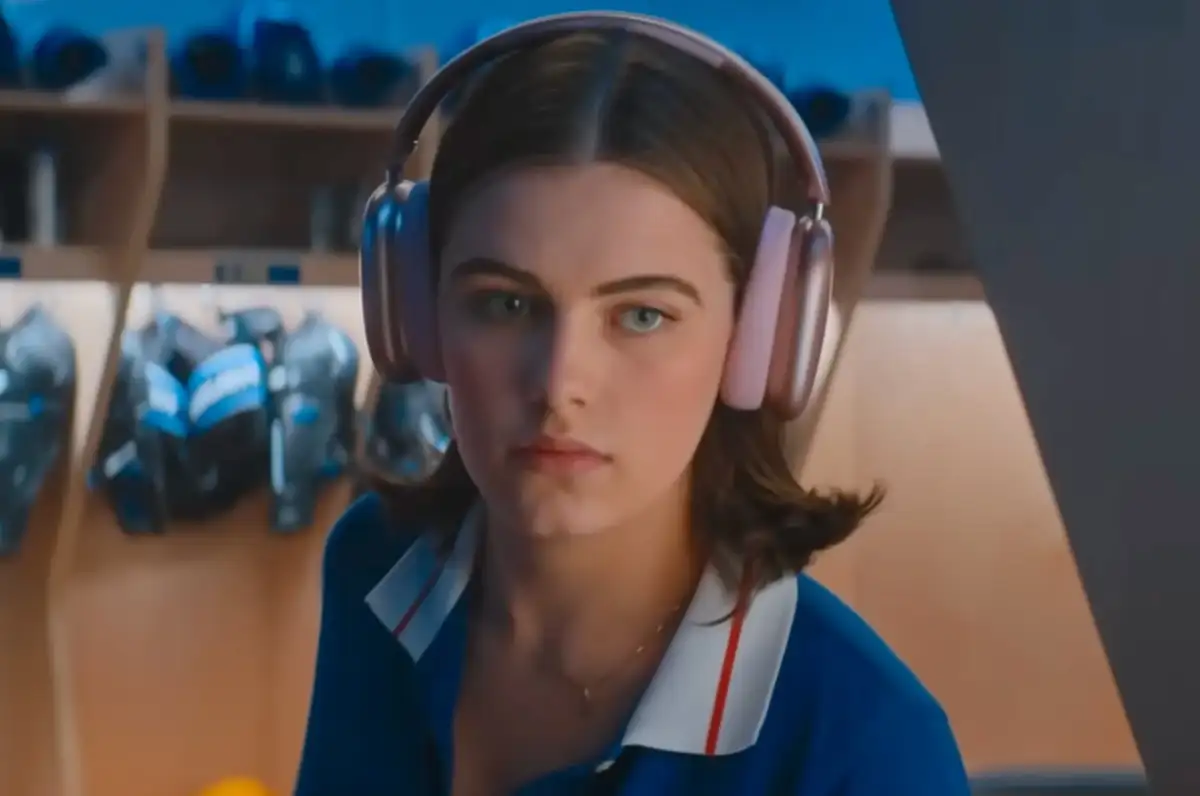
The primary mechanism of these quizzes relies on the audience’s capacity to reconstruct narrative space when the focal point—the actor—is removed. By obscuring figures in scenes—ranging from 12 to 27 iterations per session—these outlets force an interaction that prioritizes spatial and architectural memory over the performance itself.
Metrics of Engagement
| Platform | Format Focus | Scope of Data Points |
|---|---|---|
| BuzzFeed | Fragmented Identification | 12 characters per instance |
| Bored Panda | Aesthetic Recall | 27 characters per instance |
| JetPunk | Descriptive Deduction | Variable scene descriptions |
These quizzes function as a test of the observer’s 'internal database' regarding cinema history.
The content design mimics traditional trivia but emphasizes absence as the variable to be solved.
Engagement appears tied to the user's need to prove 'Film Buff' status, a gamified marker of cultural capital.
The Shift in Viewer Agency
Historically, cinema consumption has been centered on the Iconic Performance, where the actor acts as the anchor for the viewer's emotional connection to a film. By isolating the setting or the props from the subject, these quizzes attempt to isolate how deeply an audience has internalized the mise-en-scène of popular media.
Read More: Taylor Swift and Travis Kelce Marry at Madison Square Garden

"Actors have the power to cement movie scenes in your memory… whether it’s their posture, tone of voice, or facial expression, you can instantly tell which movie and scene it is at a glance." — Content analysis from current trivia distributions.
Investigative Perspective: The Economy of Nostalgia
This trend serves as a digital Reification of film history. Rather than critiquing the work or analyzing thematic weight, these platforms convert historical artifacts into transactional data points. The removal of the character acts as a vacuum; the viewer is left to fill that space with their own accumulated cultural knowledge.
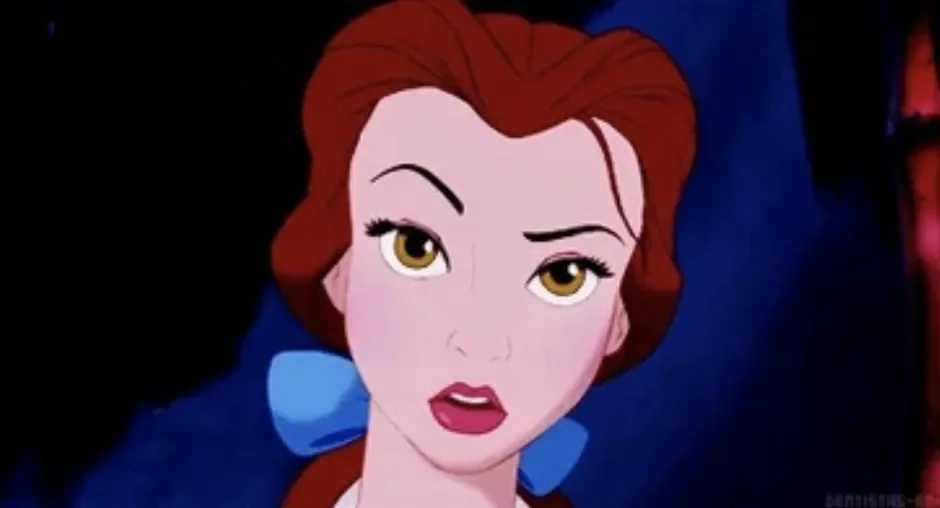
These sites effectively repackage static images as a low-cost, high-retention engagement tool. The data gathered from such interactions provides a clear map of which visual moments are most 'sticky' in the public imagination, transforming the legacy of a film into a series of predictable, solvable variables.





:max_bytes(150000):strip_icc():focal(799x0:801x2)/nyc-sky-taylor-swift-travis-kelce-wedding-070326-2dc0d912004b400eac2c8c8b5adeff2a.jpg)
