Michael Padilla remains in recovery after sustaining three distinct rattlesnake bites during a family excursion near Estes Park. Medical intervention required the administration of 18 vials of antivenom to stabilize his condition. The incident occurred while the family was stationary near a riverbank following a birthday celebration.
The victim suffered immediate neurological and physical degradation, including rapid disorientation and blood-shot eyes, necessitating an emergency hospital admission.
Medical Timeline and Physical Response
The sequence of events transpired quickly following the initial contact. Padilla initially mistook the sensation of the bites for a physical punch or a thorn scratch. Within minutes of the strikes to his calf, the physiological impact shifted from local pain to systemic distress.
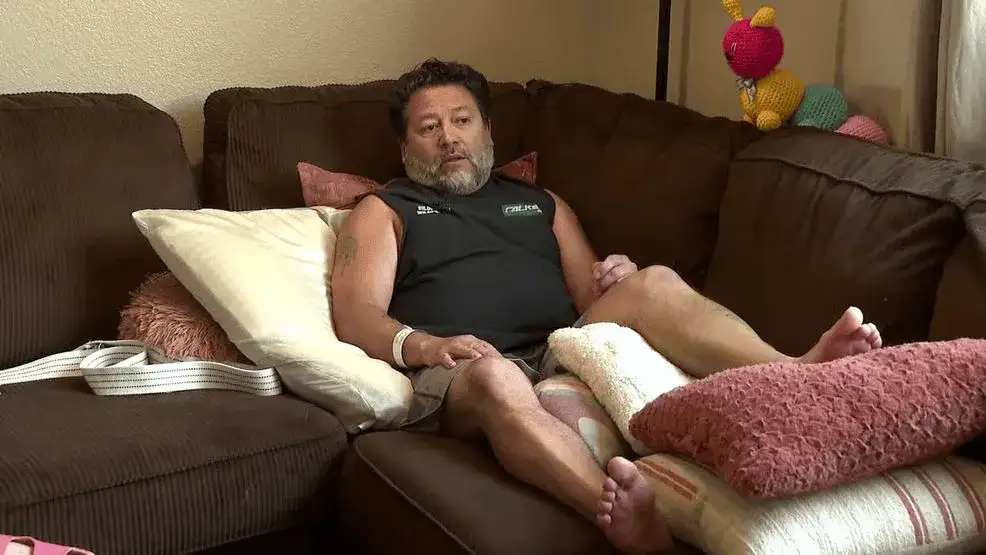
Initial Contact: Padilla felt a sudden, sharp impact on his leg.
Onset of Symptoms: Rapid disorientation and visible discoloration of the eyes occurred while the family was in transit.
Treatment: Emergency medical teams deployed 18 vials of antivenom to counteract the hemotoxic effects of the snake venom.
Environmental Context
Wildlife authorities maintain that summer heat increases the metabolic activity and defensive aggression of rattlesnakes in high-elevation areas like those near Estes Park.
Read More: India IVF Costs And Social Barriers Limit Access In April 2026
| Incident Factor | Observation |
|---|---|
| Bite Count | 3 separate puncture events |
| Antivenom Load | 18 Vials |
| Primary Symptom | Systemic disorientation / Ocular changes |
| Status | Recovering |
Contextual Background
Rattlesnakes are native to the regions surrounding the Colorado Rockies. Officials reiterate that bites typically occur when humans inadvertently infringe upon the reptile's perceived defensive perimeter.
Human-wildlife friction in this area is documented as a seasonal spike during the months of July and August. Travelers are instructed to remain vigilant in tall grasses and rocky crevices, as the snakes' camouflage often masks their presence until physical proximity is breached. Padilla’s recovery continues as health officials monitor for secondary reactions to the large dose of antivenom required for survival.