:max_bytes(150000):strip_icc()/norway-northern-lights_NORTHLIGHTS0722-087f0a814f8849b49db23d20b19bfaf1.jpg)
AURORA FADING FROM PEAK ACTIVITY
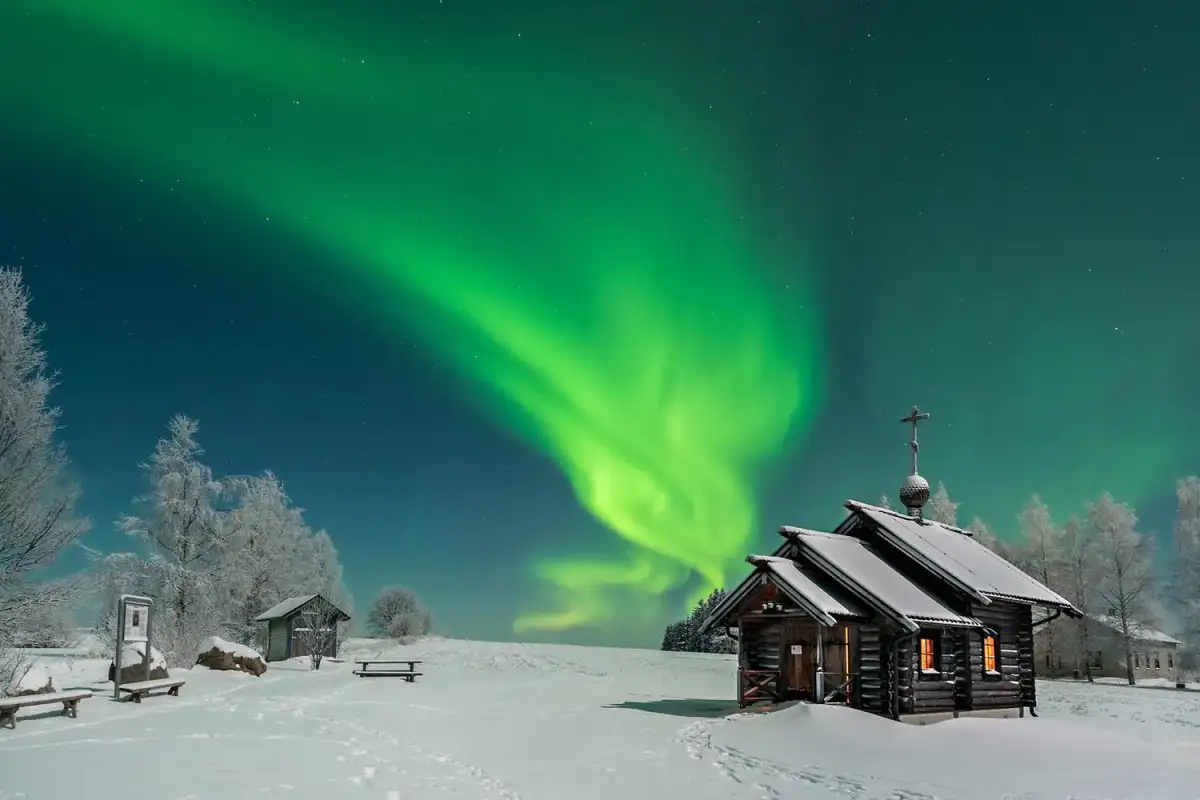
The aurora borealis, or northern lights, are diminishing in intensity following a period of peak activity. This shift coincides with the natural eleven-year cycle of the sun, moving from a solar maximum to a solar minimum. Observers can still catch glimpses of the phenomenon, but opportunities will become less frequent and the displays less vivid.
VIEWER'S GUIDE TO A SUBSIDING SPECTACLE
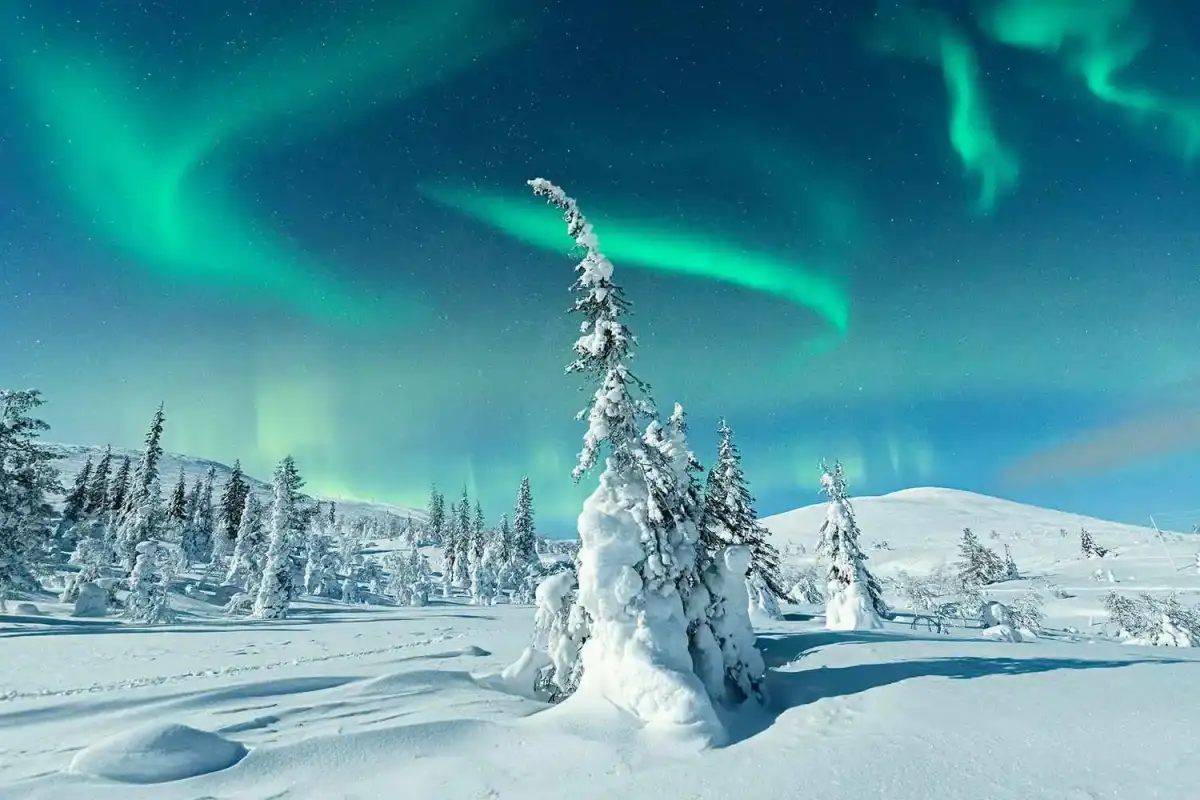
To witness the fading lights, a direct gaze northward remains the primary method, especially for those in the Northern Hemisphere. No specialized equipment is strictly necessary, though patience is a key companion. While the naked eye can discern the aurora, camera sensors, including those in mobile phones, are capable of capturing more light, potentially revealing more detail than is immediately apparent to the human eye. Visibility is generally correlated with clear skies; if stars are discernible, the aurora might also be within view.
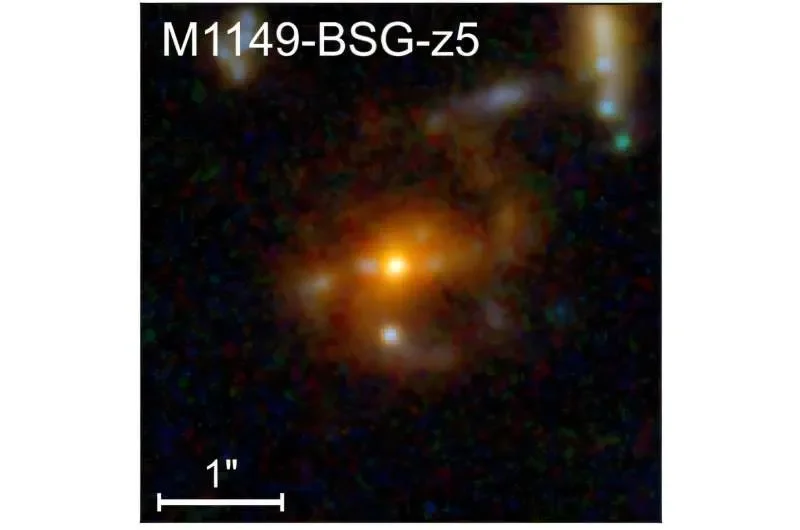
Read More: JWST Finds Oldest Barred Spiral Galaxy M1149-BSG-z5
NAVIGATING THE NIGHT SKY
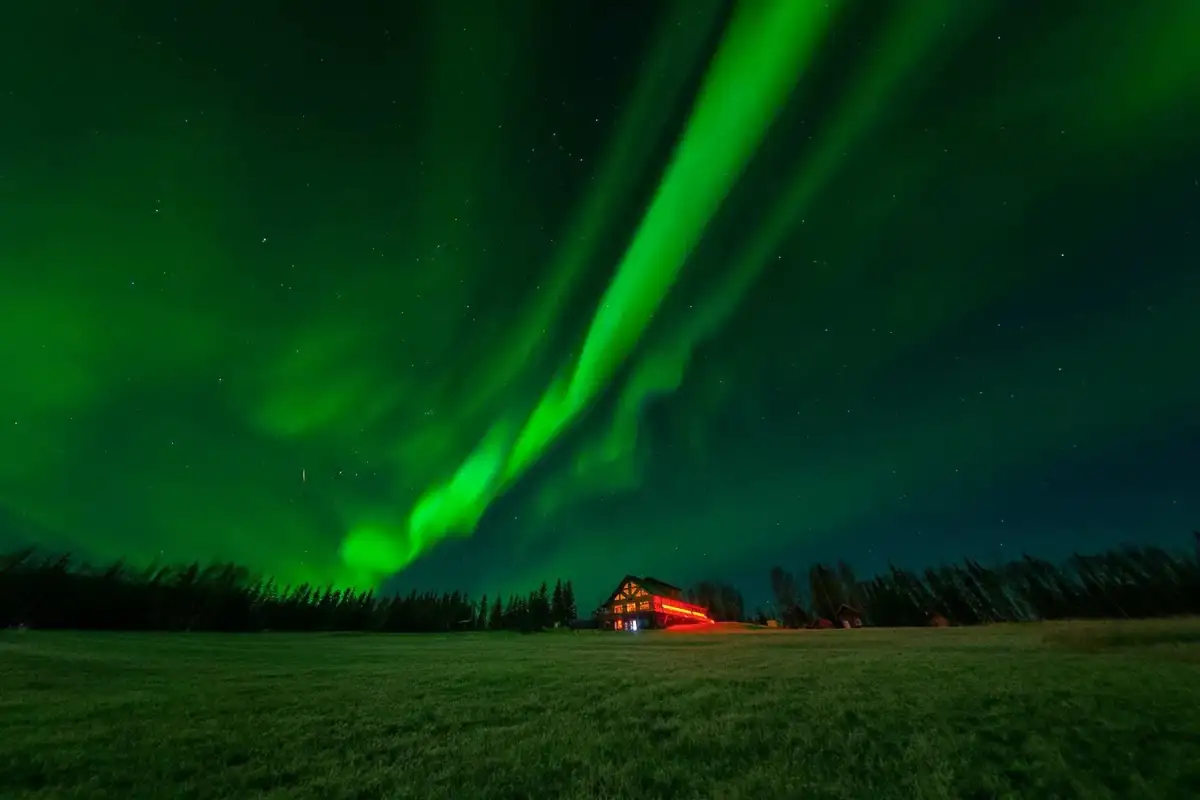
Chasing the aurora can present a challenge. A general guideline for viewing locations involves heading towards the northern latitudes. Conversely, those seeking the aurora australis in the Southern Hemisphere would follow a similar directive south. The optimal conditions often occur when atmospheric disturbances are minimal, allowing for clearer observations. Monitoring global aurora activity through specialized trackers may offer proactive insights into potential viewing windows.
HISTORICAL CONTEXT AND SOLAR CYCLES
The periodic ebb and flow of aurora intensity is directly tied to the sun's cyclical behavior. The eleven-year solar cycle is characterized by fluctuations in solar activity, including sunspots and solar flares. The solar maximum represents the peak of this activity, during which more charged particles are ejected from the sun, leading to more pronounced auroral displays. As the sun transitions towards solar minimum, this output decreases, resulting in a reduction of the aurora's frequency and brilliance. This current decline marks the end of a particularly active phase in the solar cycle.
Read More: Why bird songs stop different species from mating as of April 2026