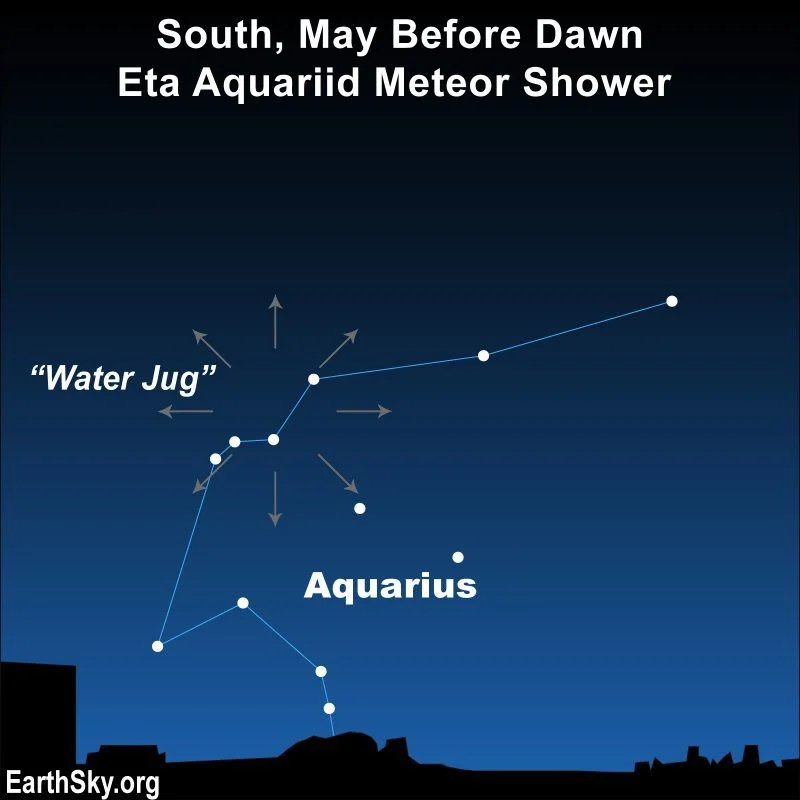
The annual Eta Aquarid meteor shower reached its zenith in the early hours of May 6, 2026. This phenomenon, a yearly spectacle where Earth passes through debris left by Halley's Comet, offered viewers the best chance to witness numerous shooting stars. The shower's radiant point, from which the meteors appear to originate, is situated in the constellation Aquarius, near the star Eta Aquarii.
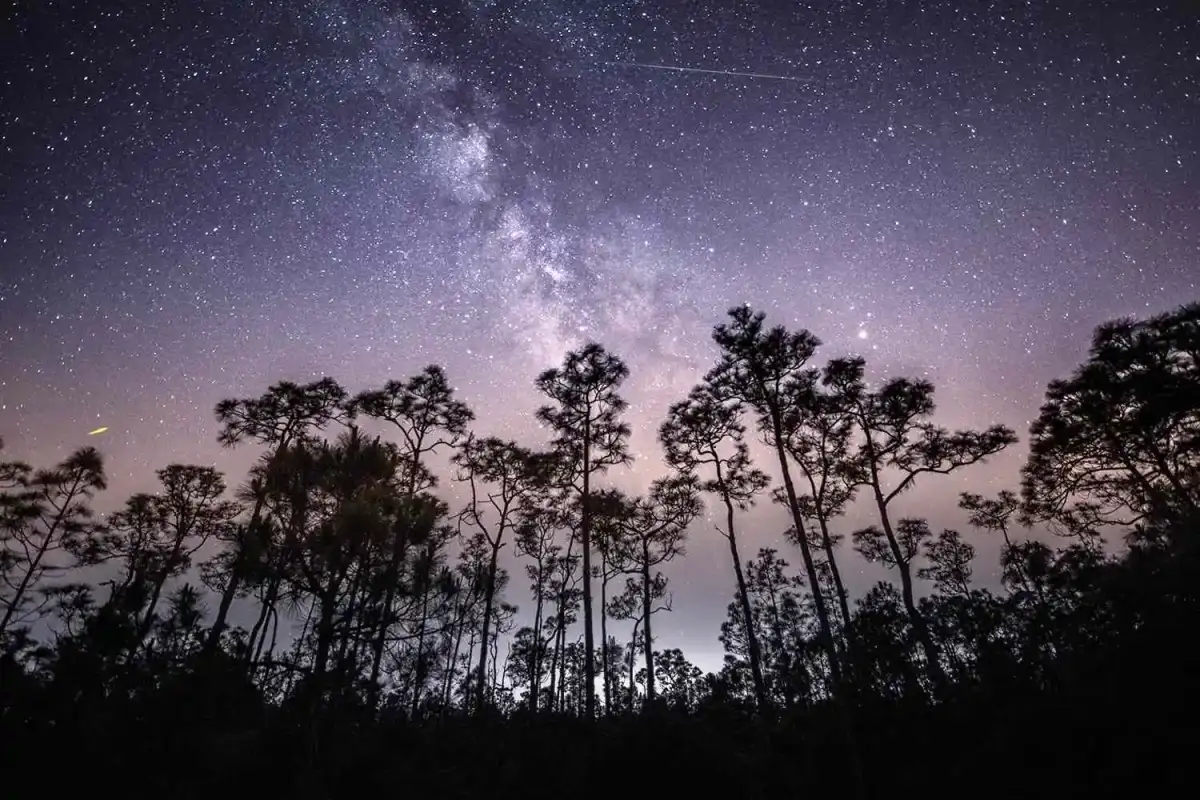
The meteor shower is expected to produce up to 40 meteors per hour in the Southern Hemisphere, though rates for those in the Northern Hemisphere are typically closer to ten per hour.

Peak Viewing and Visibility
While the shower commenced on April 19 and will continue until May 28, the period between May 5 and May 6 was identified as the optimal window for observation. The American Meteor Society pinpointed 3:51 UTC on May 5 as a specific peak time. For those aiming to catch the show, the predawn hours were consistently recommended as the prime viewing slot.
Read More: JWST Finds Oldest Barred Spiral Galaxy M1149-BSG-z5
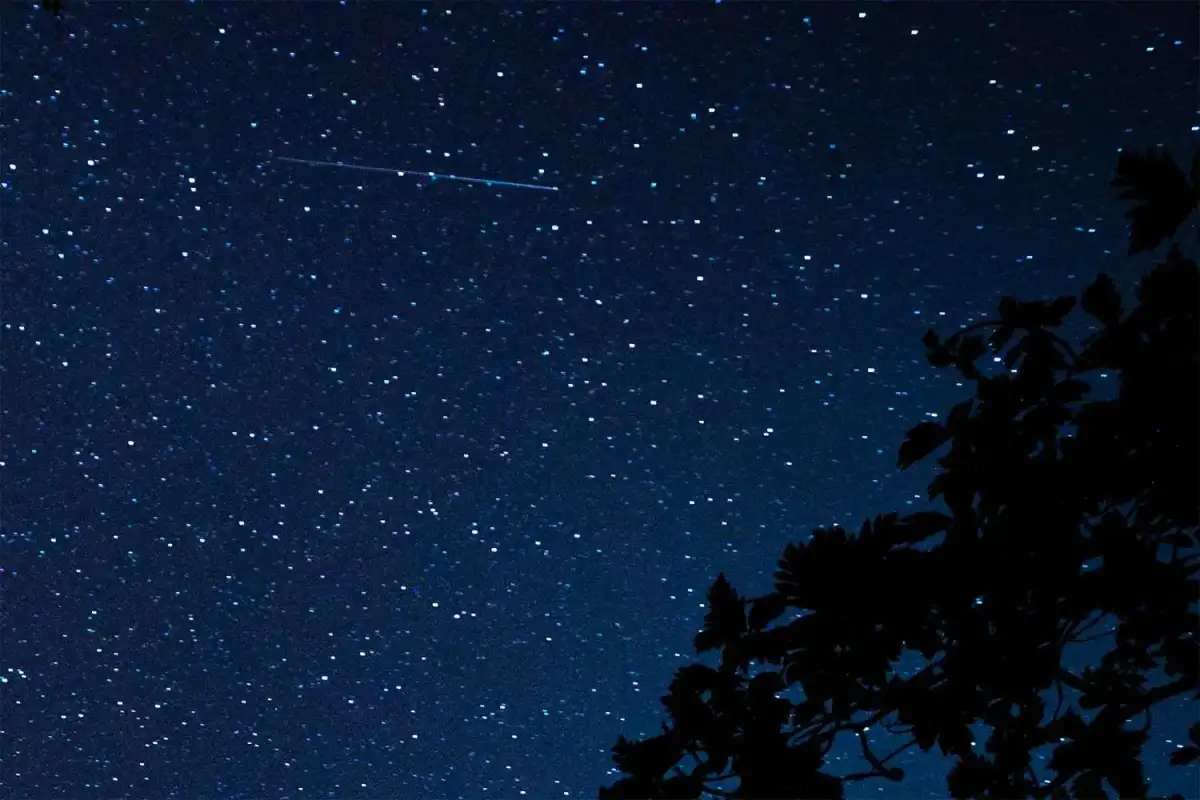
Southern Hemisphere: Often considered the best location for viewing the Eta Aquarids, with potentially higher meteor counts.
Northern Hemisphere: While still visible, the number of observable meteors is generally lower.
Observing the Shower
Success in viewing the Eta Aquarids, like any meteor shower, hinges on simple prerequisites: a clear night sky and patience. For those intending to observe, it's advised to allow approximately 20 minutes for eyes to adjust to darkness, which necessitates avoiding bright light sources, including mobile phone screens.
Dark Locations: Minimizing light pollution enhances visibility.
Patience: Meteors appear intermittently, not constantly.
For individuals whose terrestrial viewing conditions are compromised by weather or light pollution, several free online livestreams offer a virtual alternative. Notably, streams from locations like Nottingham, U.K., and Mauna Kea, Hawai'i, are available, with the latter being cited for its minimal light pollution.
Cosmic Origins and Speed
The meteors themselves are the result of tiny pieces of comet 1P/Halley colliding with Earth's atmosphere. As these fragments, remnants of Halley's Comet, enter our atmosphere at high velocities, they burn up, creating the visible streaks of light.
Read More: Blue-white light near moon explained: Is it a planet?
These meteors are recognized for their impressive speed, with some traveling at speeds around 148,000 miles per hour (or approximately 40 miles per second) upon atmospheric entry. This rapid pace contributes to the bright, fast trails that characterize the Eta Aquarids.
Context and Alternatives
The Eta Aquarids are an annual event, occurring each May. For those who might miss this celestial display, other meteor showers occur throughout the year, including the Southern Delta Aquarids in late July.
The meteor shower is named after the star Eta Aquarii, a bright star in the constellation Aquarius.
The shower's radiant appears to emanate from this area of the sky.