A Desert State's Green Revolution
A golf course in Arizona has become the first in the state to implement a new type of grass, a development that promises to significantly alter how the state's verdant spaces are maintained. This innovation bypasses the need for traditional overseeding, a costly and water-intensive process that has long been a staple of golf course management in arid climates. The shift signals a potential redefinition of 'green' in a region where water resources are a constant, pressing concern.
The chosen grass variety, details of which remain somewhat opaque, offers a resilient alternative to existing turf. Its introduction means a departure from the annual ritual of sowing additional grass seeds to maintain lushness, especially during cooler months. This practice, while ensuring visual appeal, has historically placed a substantial demand on water supplies and required significant labor and financial investment.
Read More: Amazon Land Use Changes Cause Disease Clusters in Brazil
The Drought-Resilient Proposition
Arizona, a state synonymous with arid landscapes, canyons, and cactus, is already a popular destination for activities beyond its natural grandeur. It attracts visitors interested in wine, astronomy, and particularly, golf. The state's identity is intricately woven with its natural environment – from the Grand Canyon and Monument Valley to its deserts and pine forests.
Historically, maintaining extensive green areas, such as golf courses, has presented a challenge. The conventional method involved overseeding, particularly for cool-season grasses to survive warmer periods. This strategy, while effective for aesthetics, is inherently resource-draining. The adoption of this new grass points towards a more sustainable future for amenity management in water-scarce regions.
The move by this Arizona golf course is more than just an agronomic adjustment; it's a symbolic embrace of a new approach to resource management in a state where water is a critical, finite asset. It suggests a broader trend towards embracing innovation in adapting to environmental realities, moving away from practices that are becoming increasingly untenable.
Read More: Arizona Resident Dies From Rat Virus After Cruise Ship Outbreak
A State of Contrasts
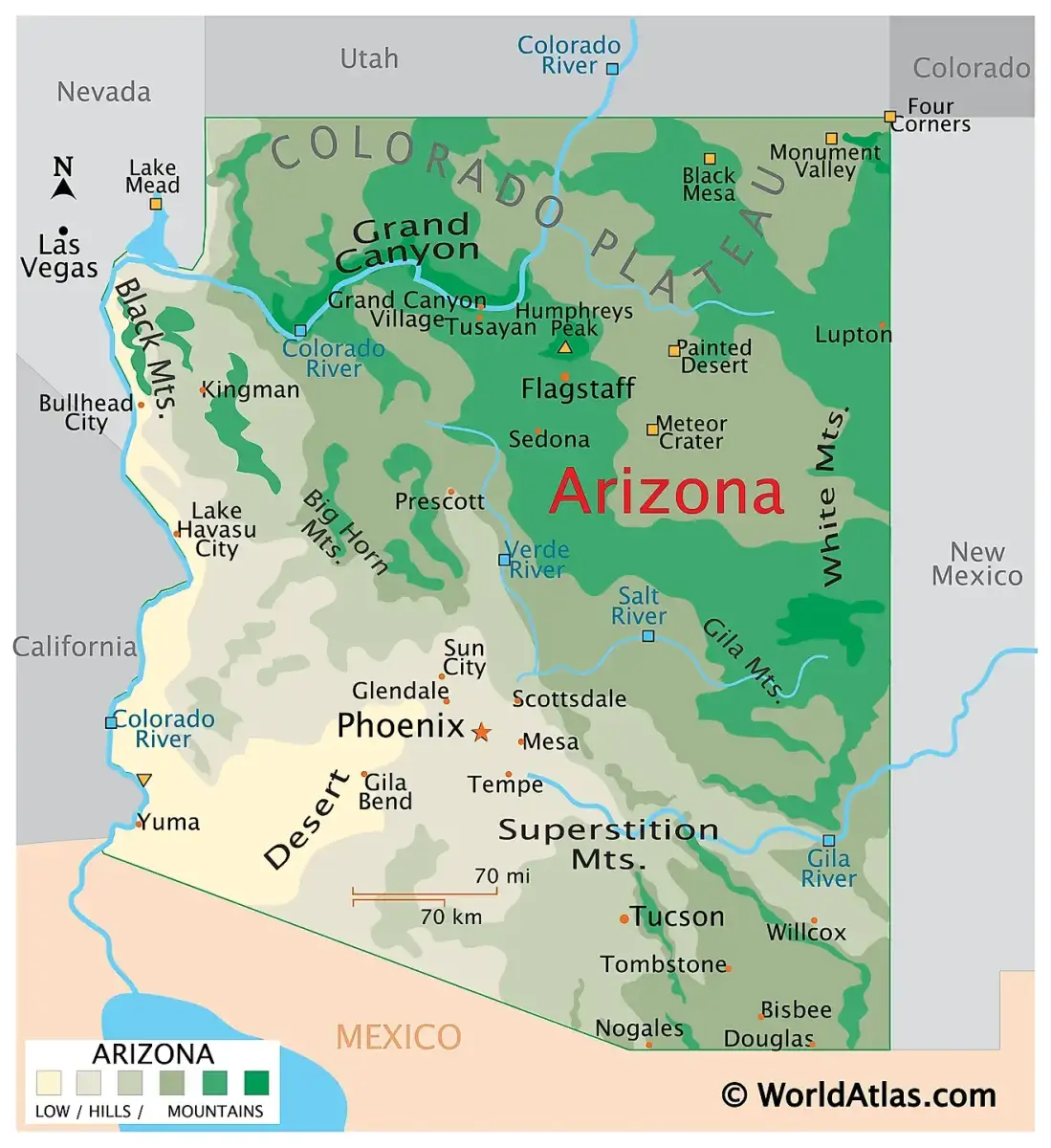
Arizona, situated in the southwestern United States, is the sixth-largest state by area. Its geography is diverse, featuring not only vast deserts but also rivers, snow-capped mountains, ponderosa pine forests, and blue lakes. This variety supports a range of activities and industries, from mining – a significant part of its identity, symbolized by the copper star on its flag – to tourism and urban development in cities like Phoenix, Scottsdale, and Tucson.
The state's heritage is a rich tapestry of cowboy culture and Native American traditions, contributing to its status as a quintessential Western landscape. Yet, beneath this iconic image lies a practical necessity to innovate, especially concerning water usage. The introduction of this new grass on a golf course represents a tangible step in that ongoing adaptation.
Read More: Kanyakumari Atomic Mining Permit Extended for 1144 Hectares in 2026