
The investigation into the disappearance of Nancy Guthrie, missing since January 31st, 2026, is mired in significant delays and a public spat between law enforcement agencies over the handling of crucial DNA evidence.
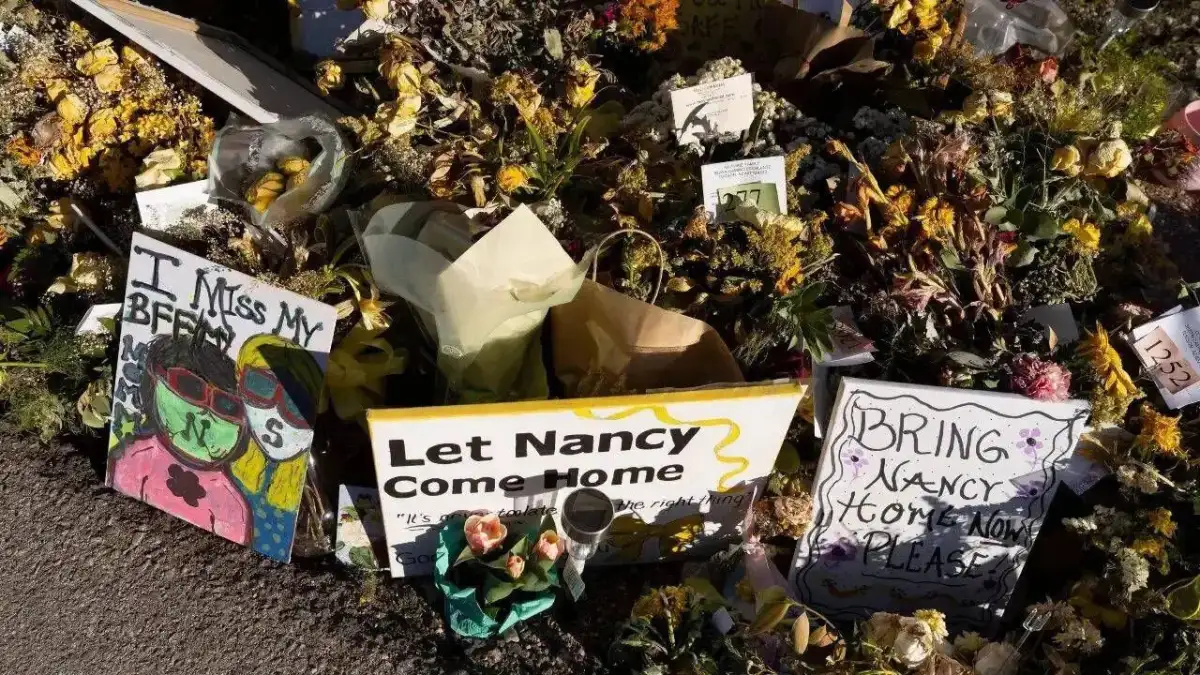
The central issue revolves around mixed DNA samples recovered from Guthrie's home, which have reportedly passed through at least five laboratories, leading to protracted analysis. This bureaucratic and technical entanglement has coincided with a public accusation from a "disgraced bureau boss" against the Pima County Sheriff, Chris Nanos, alleging case obstruction.

Persistent Complications Plague DNA Analysis
The DNA evidence, described as "mixed" and "incomplete," has presented persistent "challenges" for forensic scientists. These samples, found at Guthrie's Tucson residence, have been difficult to isolate and identify, with officials stating the DNA does not belong to Guthrie, her known visitors, or household staff. This has necessitated advanced genetic genealogy testing, a process that can take "weeks or months," according to experts. The extended timeline for analysis has stretched for over 110 days since Guthrie's vanishing, intensifying the desperation of investigators and her family.
Read More: Third Teen Charged in Fatal Stabbing Near Melbourne Hospital on Wednesday

Inter-Agency Dispute Escalates
The technical hurdles in DNA analysis have been overshadowed by an unusual public dispute. A former FBI official has openly criticized the handling of the evidence, questioning why it wasn't sent to the FBI's Quantico lab from the outset. This critique suggests a lack of trust or coordination between investigative bodies. The Sheriff's office has defended its process, though it has not clarified the rationale behind using a private Florida lab instead of federal or state facilities. This has led some, including a former FBI agent, to suggest the Guthrie family has "reason to be frustrated."
Timeline and the Search for a Suspect
Nancy Guthrie, 84, was last seen at her home on January 31st. Authorities believe she was kidnapped, with blood found on her porch and the discovery of surveillance footage showing a masked man outside her door on the night she disappeared. The ongoing delay in DNA analysis means leads remain elusive, with investigators particularly interested in a person described as between 5 feet 9 inches and 5 feet 10 inches tall, seen on the surveillance footage. The complexity of the DNA analysis, coupled with the unknown timeline for its completion, adds a layer of uncertainty to the ongoing search.
Read More: Arizona Resident Dies From Rat Virus After Cruise Ship Outbreak

/cloudfront-ap-southeast-2.images.arcpublishing.com/nzme/RVI7RFHOI34HTKKRUG3LS6DNVY.jpg)