


Apple reaches its half-century mark today, functioning as a global financial structure with a market capitalization of $3.5 trillion. The entity, originating in a garage, now frames the utility of modern telecommunications, health, and education through a dense layer of proprietary hardware and software.
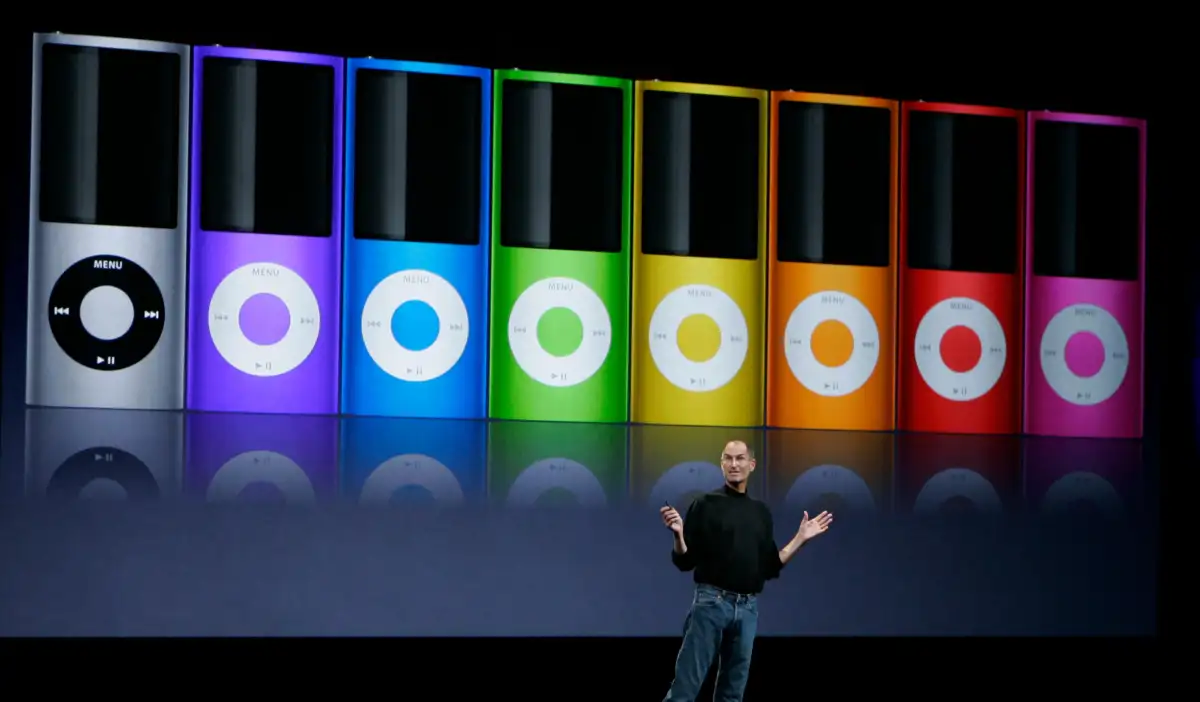
The firm’s evolution reflects a transition from hobbyist hardware—specifically the Apple II—to the iPhone, which functions as the central point of the current mobile economy.
| Era | Key Mechanism | Market Position |
|---|---|---|
| 1976-1986 | The Kit/Assembler | Scrappy Startup |
| 1997-2007 | The Pivot/iMac/iPod | Industry Challenger |
| 2007-2026 | The iPhone/Intelligence | Global Titan |
The Mythos of "Thinking Different"
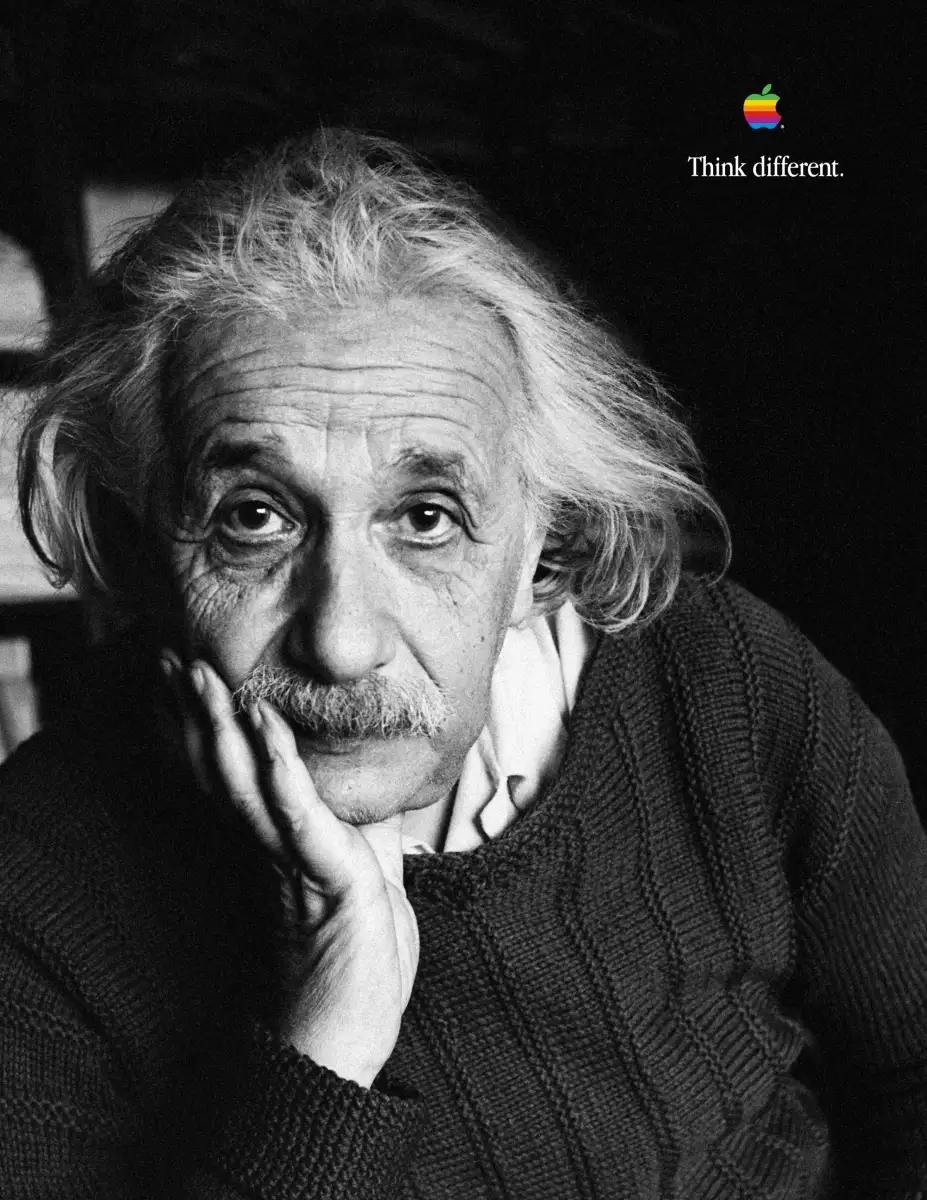
While CEO Tim Cook utilizes the slogan "Think Different" to anchor the brand's identity, the narrative surrounding the company remains divided. Internal communications frame this anniversary as a celebration of global impact and human ingenuity, while external observers describe the entity as a traditional megacorporation that prioritizes shareholder returns above its original counter-culture branding.
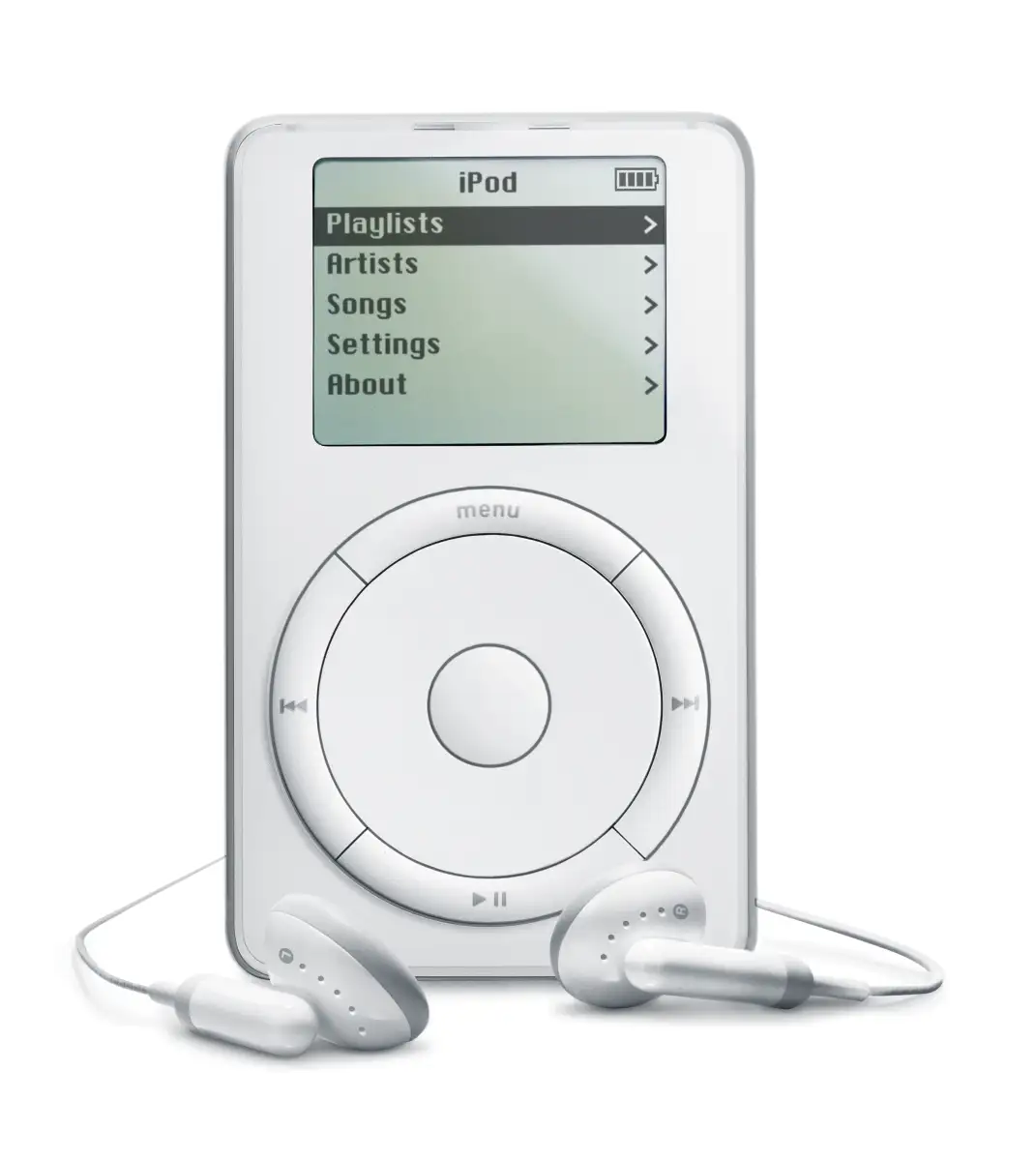
The firm’s influence is categorized by the transition from selling static computers to maintaining a persistent ecosystem.
Financial instability plagued the early decades before the iMac and subsequent mobile dominance stabilized revenue.
Analysts note the company is currently shifting its focus toward an Apple Intelligence suite to maintain market relevance.
Historical Context and Folklore
The narrative of the "garage startup" has been distilled into a corporate mythology that obscures the friction of its survival. Critics and historians point out that the company survived several near-collapses before securing its current position. The recent auctioning of original prototype boards and initial checks serves as a material fetishization of these early, less secure years.
Read More: Chrome mimeHandler API lets extensions handle file types
Whether the stories surrounding its founding are objective truth or manufactured folklore, the outcome remains the same: an omnipresent infrastructure. By abandoning older, decaying standards and enforcing closed loops of software, the entity has standardized how data is consumed globally. The "thinking" marketed to the user remains effectively inseparable from the strategy required to protect the company's long-term Capital Flow.
Ultimately, the 50-year milestone is not just a birthday; it is a point of measurement for how effectively a firm can transition from a producer of machines into a permanent condition of daily life.





